 Skip to content


Tears are one of the most visible signs of grief, yet they’re also one of the least understood. Many of us are taught from a young age to hold them back — to stay strong, stay composed, and not “lose control.” But science tells a different story.
Crying isn’t weakness; it’s biology. It’s one of the body’s most natural — and necessary — ways of releasing stress, expressing emotion, and restoring balance. When we cry, we’re not breaking down. We’re breaking open.
Understanding the science of tears can help you see crying for what it really is: a healing response that connects mind, body, and heart.
The Three Types of Tears
Not all tears are the same. Scientists have identified three distinct types, each serving a unique purpose in the body:
-
Basal Tears – These are the constant, invisible tears that keep your eyes lubricated and protected.
-
Reflex Tears – These form in response to irritants, like smoke, dust, or chopped onions, flushing out your eyes.
-
Emotional Tears – These are the ones we associate with grief, sadness, joy, or relief — and they’re uniquely human.
Emotional tears are chemically different from other types. They contain stress hormones, natural painkillers, and proteins that aren’t found in reflex or basal tears. That means every time you cry emotionally, your body is physically processing and releasing tension.
The Chemistry of Crying
When you cry from emotion, your tears carry stress hormones such as cortisol and adrenocorticotropic hormone (ACTH). Studies suggest that by shedding these chemicals, the body literally lightens its emotional load.
Tears also trigger the release of endorphins — the body’s natural feel-good chemicals — which can lead to a sense of calm or relief after crying. This is why so many people describe feeling “cleansed” or “lighter” after a good cry.
On a physiological level, crying activates the parasympathetic nervous system — the part of your body responsible for rest and recovery. This slows your heart rate, steadies breathing, and signals to your brain that it’s safe to relax.
In short, crying is self-regulation in action. It’s your body’s built-in way of saying, “You’ve held enough — let go now.”
Crying and the Brain
Emotional tears begin in the limbic system — the emotional center of the brain, particularly in the amygdala and hypothalamus. These areas process sadness, love, empathy, and connection.
When emotions intensify beyond what your mind can quietly contain, they trigger the lacrimal glands near your eyes to produce tears. It’s an emotional overflow — one that communicates both distress and release.
Interestingly, MRI scans show that after crying, brain activity shifts toward areas associated with emotional regulation and problem-solving. This suggests that crying not only helps release pain but also creates clarity. It helps the brain move from reaction to reflection.
Tears and Connection
Crying doesn’t just heal the self; it connects us to others. Emotional tears are one of the most powerful nonverbal ways we communicate vulnerability.
When someone cries, it often invites empathy. The sight of tears activates compassion centers in the brain — both in the person crying and in those witnessing it. This shared response strengthens emotional bonds, signaling that we are not alone in our feelings.
In grief, these connections matter deeply. When you cry with others, you’re not only releasing emotion; you’re creating community — a shared acknowledgment that pain, love, and remembrance exist together.
Why Holding Back Tears Can Make Grief Harder
Many people try to suppress crying out of fear of appearing weak or making others uncomfortable. But unexpressed emotions don’t disappear — they often resurface later as anxiety, fatigue, or irritability.
Suppressing tears activates the body’s stress response, increasing heart rate and tension. Over time, this can heighten emotional strain rather than relieve it.
Allowing yourself to cry — privately or with trusted people — helps emotions move through rather than stay within. It’s a release valve, not a breakdown.
Even small moments of crying, like tearing up during a song or a memory, allow the nervous system to reset. You don’t have to sob to experience healing; sometimes, quiet tears are enough.
Cultural Attitudes Toward Crying
Different cultures view crying in various ways. Some celebrate it as a natural expression of emotion, while others associate it with shame or loss of control.
Historically, public mourning was often communal and expressive — people wept together at funerals, processions, and wakes. Modern life, however, tends to prize composure. This can make grief feel lonelier, as people suppress what was once shared.
But human biology hasn’t changed. We’re still wired to cry. Allowing space for tears — whether in solitude, therapy, or ceremony — reconnects us with something deeply human and ancient: the need to express love through emotion.
Crying as a Form of Remembering
Tears often accompany memories — especially around anniversaries, holidays, or unexpected reminders. Far from being setbacks, these moments are signs that love endures.
Crying during remembrance can be a ritual in itself. Lighting a candle, holding a keepsake, or listening to a favorite song while allowing yourself to weep can create sacred moments of connection.
Each tear honors what mattered. Each one says: This still means something to me.
How to Make Space for Tears
If you’ve been holding emotions back, it can help to intentionally create safe, gentle moments for release. Here are some ideas:
-
Quiet Reflection: Sit in a calm space with a photo or memory and simply allow emotion to arise.
-
Music or Writing: Listen to songs that resonate or write a letter to your loved one.
-
Therapy or Support Groups: Sharing tears with others in a compassionate environment often deepens healing.
-
Nature or Water: Many people find it easier to cry near water — by the ocean, a lake, or even in the shower — as it feels cleansing and private.
If crying feels distant or hard, that’s okay too. Some people process grief more cognitively before emotions surface. There’s no timeline or “right” way to express pain.
Tears, Healing, and Growth
Over time, tears become less about acute pain and more about tenderness. They evolve from raw grief to quiet gratitude.
The same tears that once fell in despair may later fall in remembrance, love, or awe. This shift reflects healing — not forgetting, but learning to hold sorrow and joy together.
Crying remains part of that process, a reminder that we’re still connected to what matters most. It’s the body’s way of saying, “I loved deeply — and I still do.”
Bringing It All Together
At Oaktree Memorials, we see tears not as something to hide, but as something sacred — proof of love that continues.
The science of tears reminds us that grief isn’t just emotional; it’s physical, natural, and necessary. Allowing yourself to cry is one of the kindest things you can do for your healing.
If you’re looking to create a space for reflection, consider lighting one of Oaktree’s memorial candles or keeping a photo keepsake nearby. These quiet rituals, paired with the freedom to feel, help transform tears into connection — between memory and the moment, love and release.
In the end, crying isn’t just about letting go. It’s about letting love flow — again and again.


Our Best Sellers
-
The Bleecker Urn in Walnut
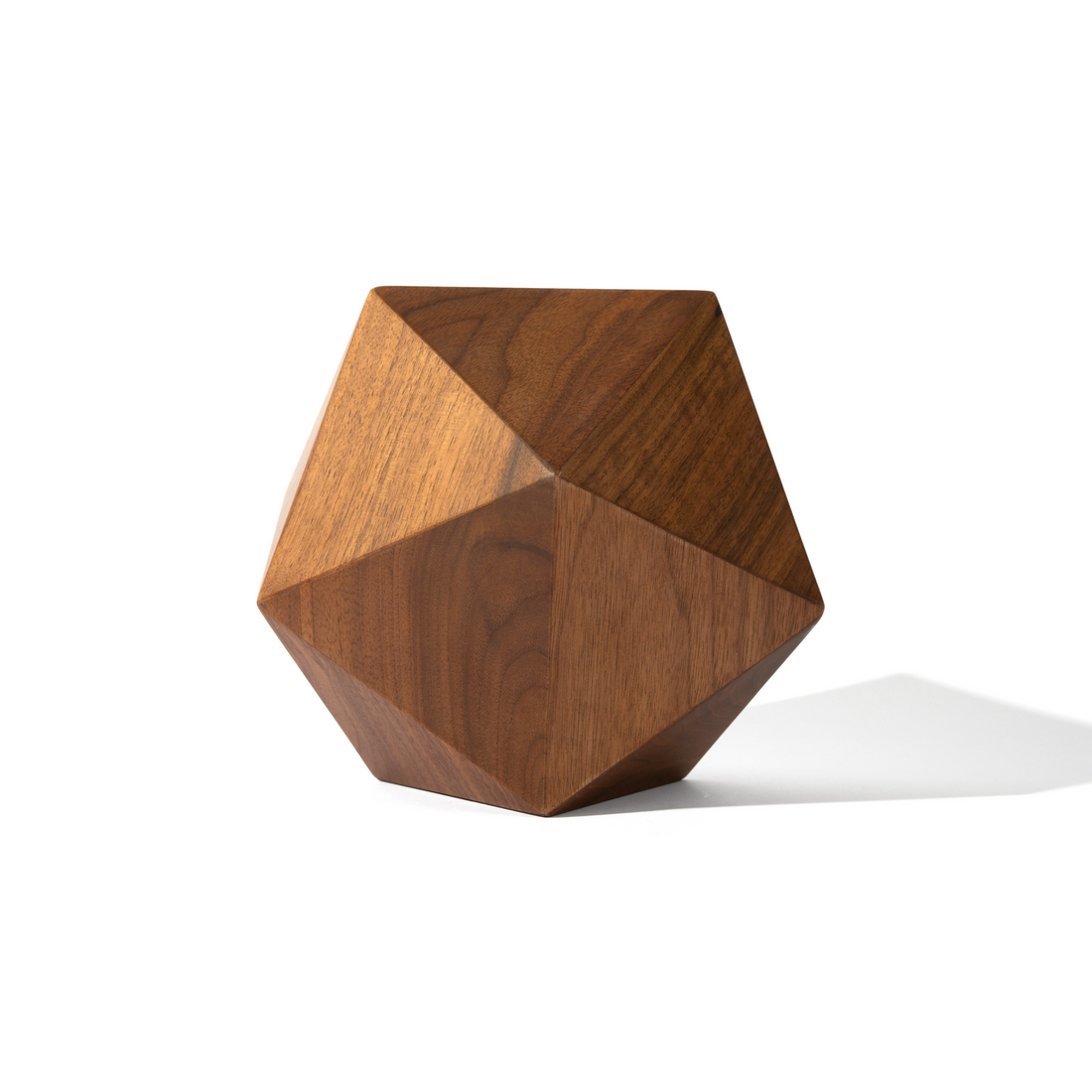 The Bleecker Urn in Walnut
- Regular price
-
From
$345 - Regular price
-
$445 - Sale price
-
From
$345
Quick view
-
The Bleecker Urn in Oak
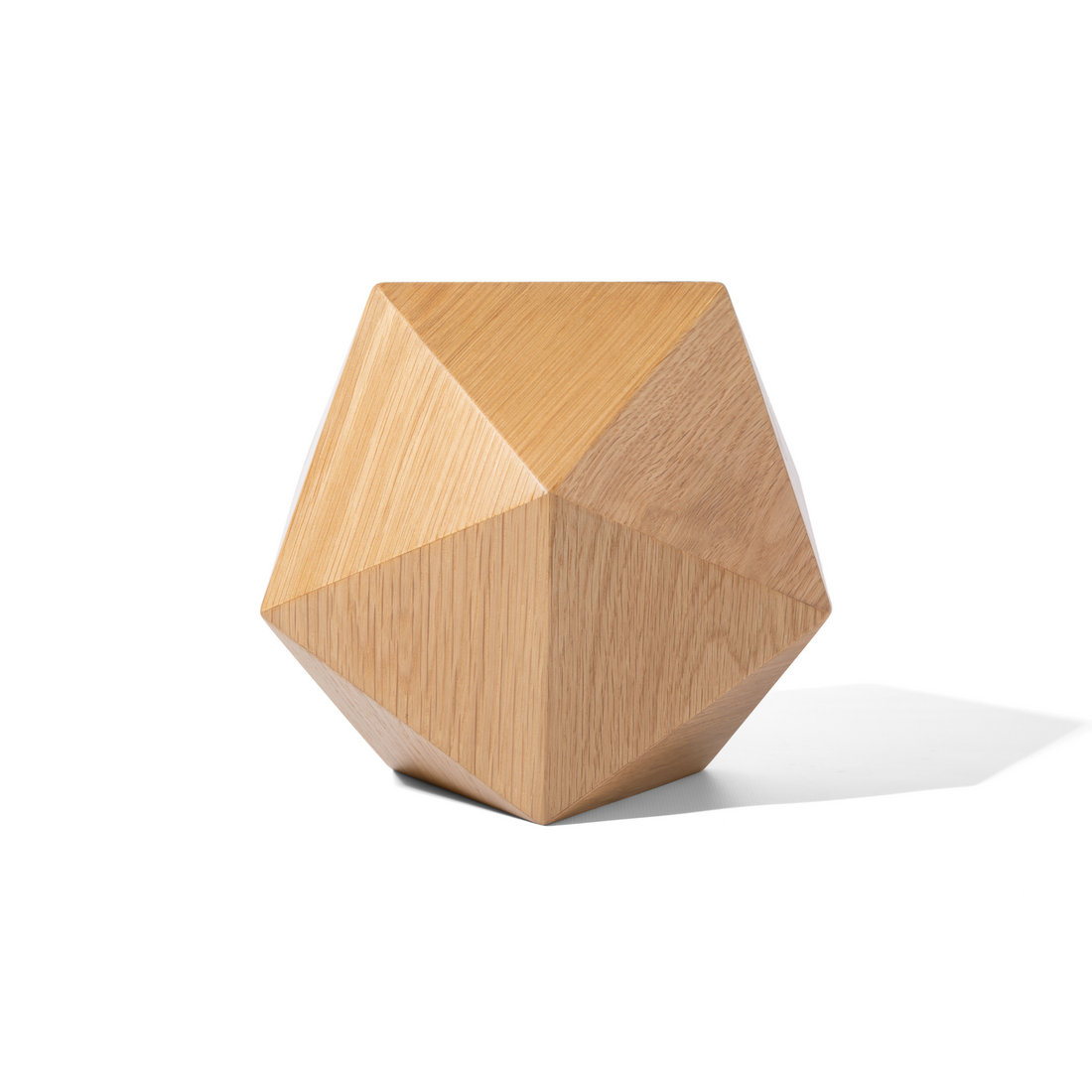 The Bleecker Urn in Oak
- Regular price
-
From
$395 - Regular price
-
$445 - Sale price
-
From
$395
Quick view
-
The Amore Cremation Necklace
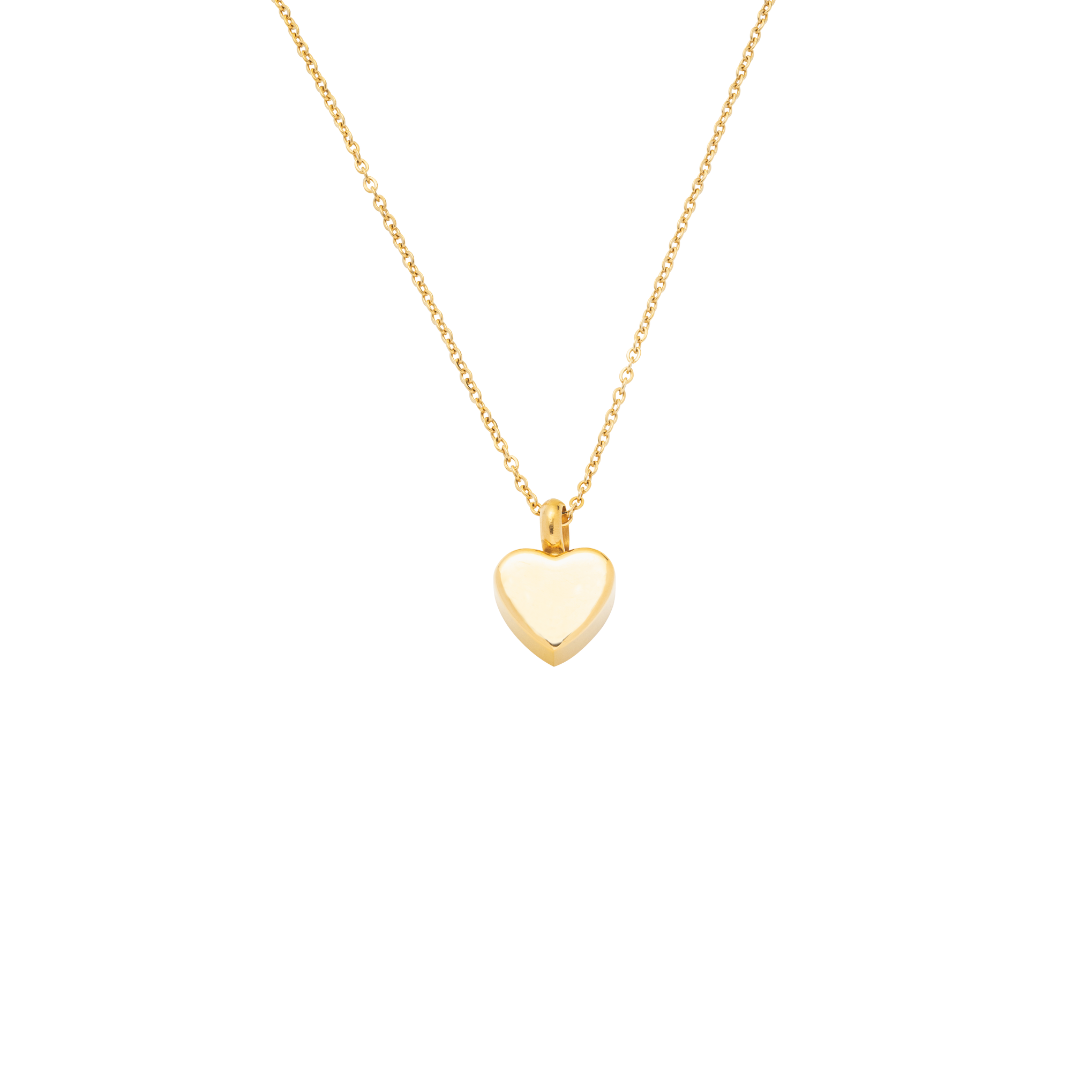 The Amore Cremation Necklace
- Regular price
-
From
$68 - Regular price
-
$95 - Sale price
-
From
$68
Quick view
-
The Tower Urn in Oak
 The Tower Urn in Oak
- Regular price
-
$75 - Regular price
-
$115 - Sale price
-
$75
Quick view

FAQs
What are the shipping options for my memorial gift?
Oaktree offers free nationwide shipping on all urns and cremation jewelry items, with delivery typically taking 2-5 business days, including processing time. Need it sooner? Expedited shipping (overnight or 2-day) is available at checkout for an additional cost, and we will also prioritize processing for faster delivery. If you need international shipping, please contact us first to confirm availability and rates.
How long will it take for my engraved item to arrive?
Engraved urns and cremation necklaces require an additional 1-3 business days for personalization before shipping. If you need faster delivery, please contact us—we’ll do our best to expedite processing and accommodate your timeline. Expedited shipping options are also available at checkout to ensure your memorial arrives as soon as possible.
What do I do if I never received my order?
If your order hasn’t arrived within 10 business days, please contact us so we can track your shipment and resolve any issues. We’ll ensure your memorial reaches you as soon as possible.
What do I do if I received a defective order?
If your order arrives damaged or defective, contact us right away. We take pride in our high-quality craftsmanship and will work quickly to replace or repair your item at no additional cost.
Can I return my urn or cremation necklace? What is your return policy?
Oaktree offers a 100-day return and exchange policy for non-engraved items. Due to personalization, engraved urns are final sale and cannot be returned. For full details on how to start a return or exchange, visit our Returns & Exchanges page.
How do I make changes to an urn I’ve already ordered?
If you need to modify an order, contact us as soon as possible. If your urn is already engraved, we may not be able to make changes, but we’ll do our best to accommodate your request before processing.
How are your urns made? Where do the materials come from?
Oaktree’s urns are handcrafted in the USA and Europe using sustainable, locally sourced materials. Our artisans ensure each piece is beautifully designed and built to honor your loved one’s memory with care.
How do I choose the right urn size?
Each product page includes detailed dimensions, weight capacity, and cubic inches to help you select the right urn. As a general guide, 1 cubic inch holds 1 pound of pre-cremation weight. If you need help choosing, feel free to contact us.
Some urns are marked as “sold out.” When will they be available?
Our handmade urns may take a few weeks to restock. If you’re interested in a specific style, contact us for an estimated restock date, and we’ll notify you when it’s available.
Does Oaktree place the ashes into my urn?
Yes, we offer an optional ash transfer service for an additional fee. If you’d like us to handle this process, please contact us when placing your order. You’ll need to mail the ashes to us, and we’ll carefully transfer them into your selected urn.
How do I transfer ashes into my urn?
Cremated remains typically arrive in a sealed plastic bag inside a plastic container. To transfer them, simply place the sealed bag inside your urn. If needed, use a funnel for precise placement. If you have any concerns, our team is happy to assist.
How do I order an engraved urn?
To personalize your urn, select “Yes” under “Would you like your item engraved?” on the product page. If you’d like a custom design beyond standard engraving, contact us and we’ll explore options to create a unique tribute.
Can my urn be shipped directly to a funeral home?
Yes! During checkout, you can enter the funeral home’s address for direct shipping.
Can I customize my urn beyond engraving?
Yes! In addition to engraving, we offer custom design services, including unique finishes, symbols, or artwork. If you’d like to personalize your urn beyond standard options, contact us to discuss customization possibilities.
What materials are Oaktree urns made from?
Our urns are crafted from premium materials such as wood, ceramic, marble, metal, and biodegradable materials. We focus on sustainable sourcing and high-quality craftsmanship to create lasting memorials.
Do you offer keepsake urns or mini urns?
Yes, we offer keepsake urns and mini urns, which are smaller versions designed for sharing ashes among family members or keeping a small portion as a personal tribute.
Can I pre-order an urn for future use?
Absolutely! Many customers choose to pre-order an urn in advance. This ensures availability and allows for customization without time constraints. Contact us to arrange a pre-order.
Do you offer pet urns?
Yes, we provide a range of pet memorial urns designed to honor beloved pets. These are available in different materials and sizes to suit dogs, cats, and other pets.
How do I clean and maintain my urn?
Urns require gentle care to maintain their beauty. Use a soft cloth and mild cleaner for metal or ceramic urns. Avoid direct sunlight and moisture to preserve wood urns. Contact us for specific care instructions based on your urn’s material.
Can I travel with an urn? Are they TSA-approved?
Most Oaktree urns are TSA-compliant, making them safe for air travel. Choose a non-metal urn to ensure easy screening. We recommend carrying the urn in your carry-on bag and bringing the cremation certificate from the funeral home.
How do I track my order?
Once your order ships, we’ll send you a tracking number via email. You can use this to monitor the shipment status. If you don’t receive tracking details, contact us for assistance.
How do I contact Oaktree if my question isn’t answered here?
We’re happy to assist! Visit our Contact Us page to reach us via email, chat, or phone. Our compassionate team is ready to help.