Grief does not move in a straight line.
It shifts. It intensifies. It softens. It resurfaces.
While there is no universal timeline for mourning, many people experience recognizable emotional milestones following a loss. Understanding these patterns does not eliminate pain — but it can provide reassurance that what you are feeling is natural.
Grief is not a problem to solve. It is a process to move through.
At Oaktree Memorials, we believe remembrance and healing unfold over time, often marked by meaningful rituals and memorial practices that provide structure and comfort.
The Immediate Days: Shock and Disorientation
In the first days following a loss, many people experience emotional numbness.
Shock acts as a protective layer. Even when the passing was expected, the finality can feel disorienting. During this period, decisions about funeral arrangements, memorial services, or cremation may feel overwhelming.
This is why advance planning can be helpful. When memorial preferences — such as selecting a custom engraved urn or documenting service wishes — are clarified beforehand, families are spared from making rushed decisions during emotional shock.
Practical clarity creates space for emotional processing.
The First Few Weeks: Structure and Support
In the weeks following the funeral or memorial service, support from friends and family is often strong.
Meals are delivered. Condolences are expressed. Gatherings provide connection.
Yet when visitors gradually return to their routines, the reality of absence becomes more pronounced. Daily habits change. Silence feels louder.
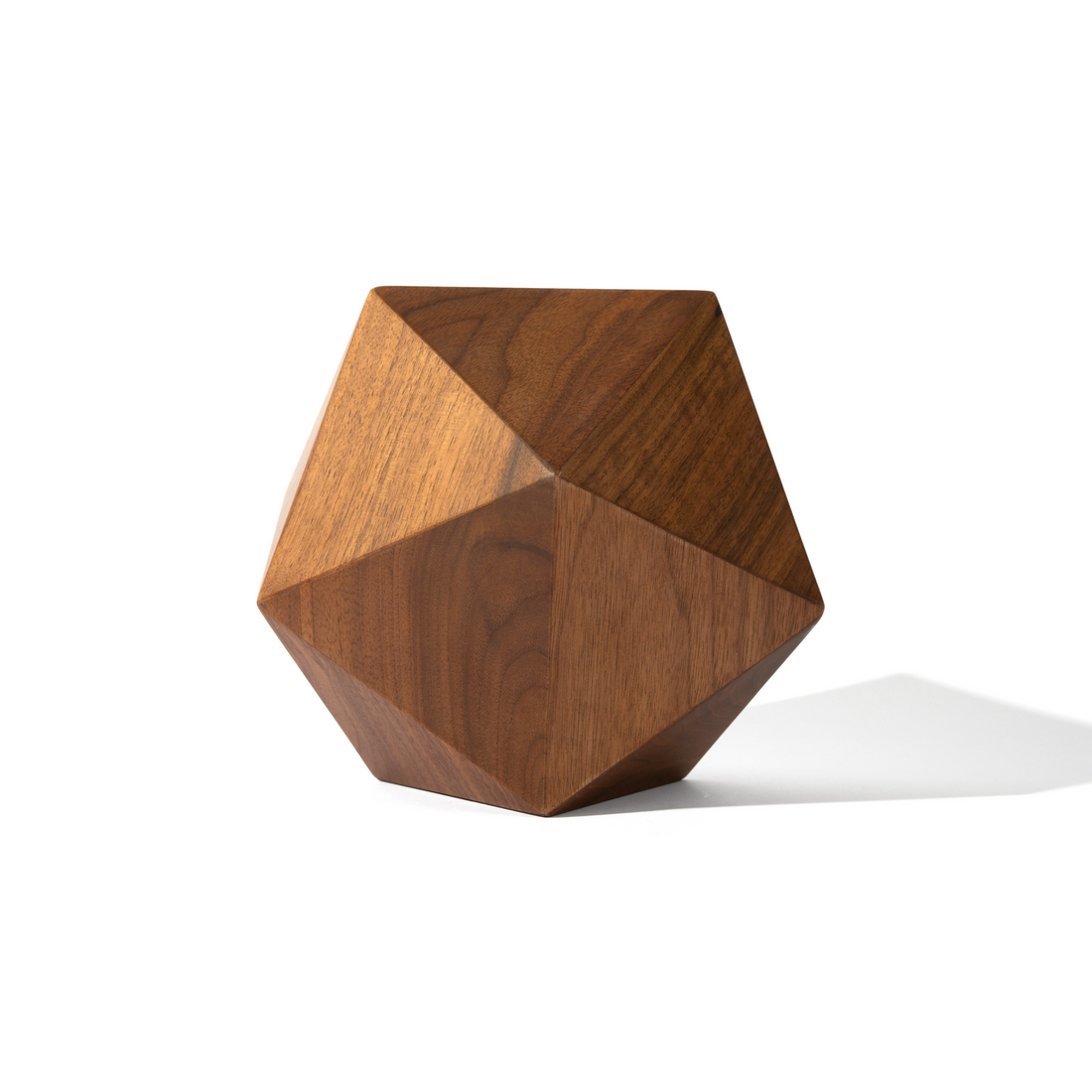
Many families find comfort in establishing small remembrance rituals during this stage — lighting memorial candle holders in the evening, visiting a gravesite, or placing an urn in a thoughtfully prepared space within the home.
Physical symbols of remembrance provide stability when emotions fluctuate.
The Three-Month Mark: Adjustment and Fatigue
Around the three-month milestone, emotional fatigue often emerges.
The adrenaline of planning and immediate support has subsided. Grief may feel heavier or unexpectedly resurface. Some individuals experience irritability, sadness, or difficulty concentrating.
This stage can be confusing because outward routines may appear “normal,” yet internally, the loss remains acute.
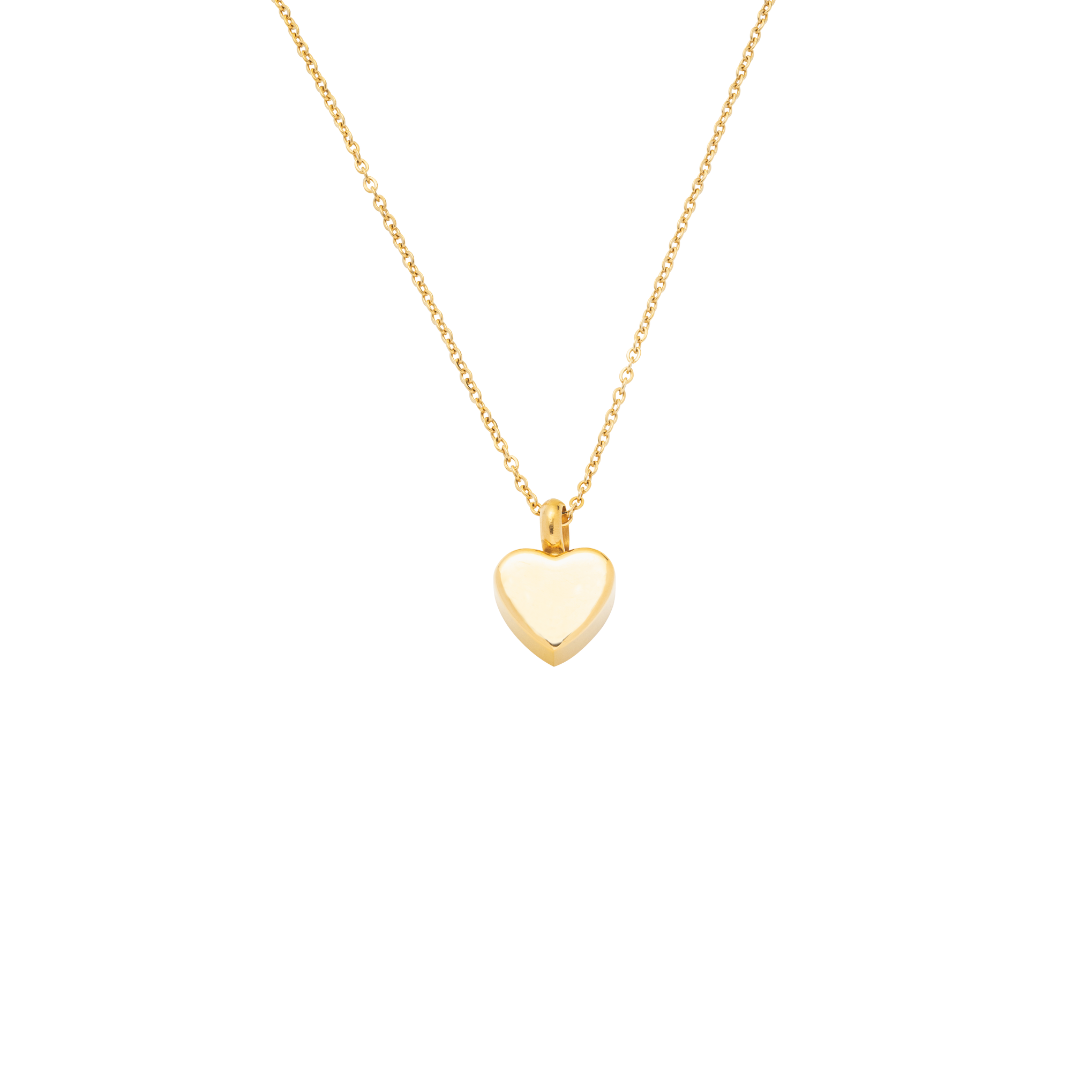
Keepsake urns or cremation jewelry can provide quiet reassurance during this period — a tangible reminder of connection during moments of solitude.
Grief does not disappear simply because time has passed.
Six Months: Waves of Reflection
At six months, many individuals report waves of memory that feel sharper.
You may begin reflecting on milestones that have passed without your loved one — holidays, birthdays, shared traditions. These dates can reignite emotional intensity.
Preparing in advance for anniversary rituals can help. Some families light candles, prepare favorite meals, or revisit memory journals on significant dates.
Intentional remembrance transforms unexpected emotional waves into purposeful reflection.
The One-Year Anniversary
The first anniversary of a loss is often the most anticipated milestone.
Leading up to this date, emotions may intensify. Anticipatory grief can be as strong as the day itself.
Many families choose to mark the one-year anniversary with a small ceremony, gathering, or private reflection. Memorial candle holders, engraved keepsakes, or revisiting a custom urn display can reinforce continuity of remembrance.
This milestone does not signal “completion” of grief. Rather, it marks the integration of loss into a new rhythm of life.
Long-Term Milestones: Integration
Beyond the first year, grief often evolves into integration.
Pain softens, though it may resurface during life transitions such as weddings, births, graduations, or personal achievements.
These milestones highlight absence — but they also affirm enduring love.
Physical memorial pieces remain important during long-term integration. A thoughtfully chosen custom engraved urn, coordinated keepsake urns shared among family, or cremation jewelry worn daily can provide steady connection across years.
Grief becomes part of the life story — not the entirety of it.
There Is No “Right” Timeline
While these milestones are common, grief remains deeply individual.
Some individuals move more quickly toward integration. Others experience prolonged waves of sorrow. Cultural, spiritual, and personal factors shape each journey.
There is no deadline for healing.
What matters is allowing grief to unfold without judgment.
Why Families Trust Oaktree Memorials
At Oaktree Memorials, we understand that remembrance extends far beyond the day of the service.
Our collections include personalized custom engraved urns, coordinated keepsake urns, meaningful cremation jewelry, and elegant memorial candle holders — each designed to support ongoing healing through beauty and intention.
Memorial pieces serve not only as tributes, but as anchors during emotional milestones.
Healing Through Remembrance
Grief milestones are not obstacles.
They are markers.
Markers of love. Markers of memory. Markers of a life that mattered.
By understanding what to expect and incorporating meaningful remembrance rituals into each stage, you create structure within uncertainty.
Because grief does not end.
It transforms.
And every life deserves to be beautifully remembered — at every milestone along the way.
 Skip to content