 Skip to content


Through careful planning, shared storytelling, meaningful keepsakes, and inclusive rituals, you can create a memorial service that fosters healing, unity, and remembrance.
Losing one sibling is heartbreaking—losing multiple siblings can feel unimaginable. Whether due to a tragic accident, illness, or other unexpected circumstances, families may face the overwhelming task of planning a memorial service that honors more than one life at once. The emotional weight of grief, combined with the logistical needs of memorial planning, can make this experience both painful and complex.
However, planning a joint memorial service can also provide a unique opportunity for healing. A shared ceremony not only acknowledges each sibling’s individuality but also the powerful bond they shared—something friends and family can take comfort in honoring together. When done with care, a joint service becomes a space where love, remembrance, and community come together in a meaningful way.
This guide offers compassionate and practical steps to help you plan a thoughtful, inclusive, and personalized joint memorial service for siblings. Whether you’re planning for two or more, the ideas here aim to support healing while creating a lasting tribute to the lives that meant so much.
Why Choose a Joint Memorial?
There are several reasons families choose to hold a shared service:
-
The siblings passed around the same time (such as in an accident or from a shared illness)
-
They had a close personal, emotional, or spiritual bond in life
-
Their lives were deeply interwoven—shared homes, workplaces, friend groups, or traditions
-
Families prefer to bring everyone together in one gathering for logistical or emotional reasons
Joint memorials can help unify the grieving process. Instead of organizing multiple ceremonies with overlapping attendees and repeated emotions, a joint memorial brings people together for a single, powerful moment of remembrance and reflection.
Step 1: Choose a Shared Format
Every memorial should reflect the personalities and preferences of the people being remembered. Consider the following formats:
-
A traditional service at a funeral home, religious space, or chapel
-
A celebration of life in a family backyard, local park, or community center
-
A destination memorial in a place meaningful to the siblings (e.g., childhood hometown, favorite travel spot)
-
A virtual or hybrid service to accommodate guests who can’t attend in person
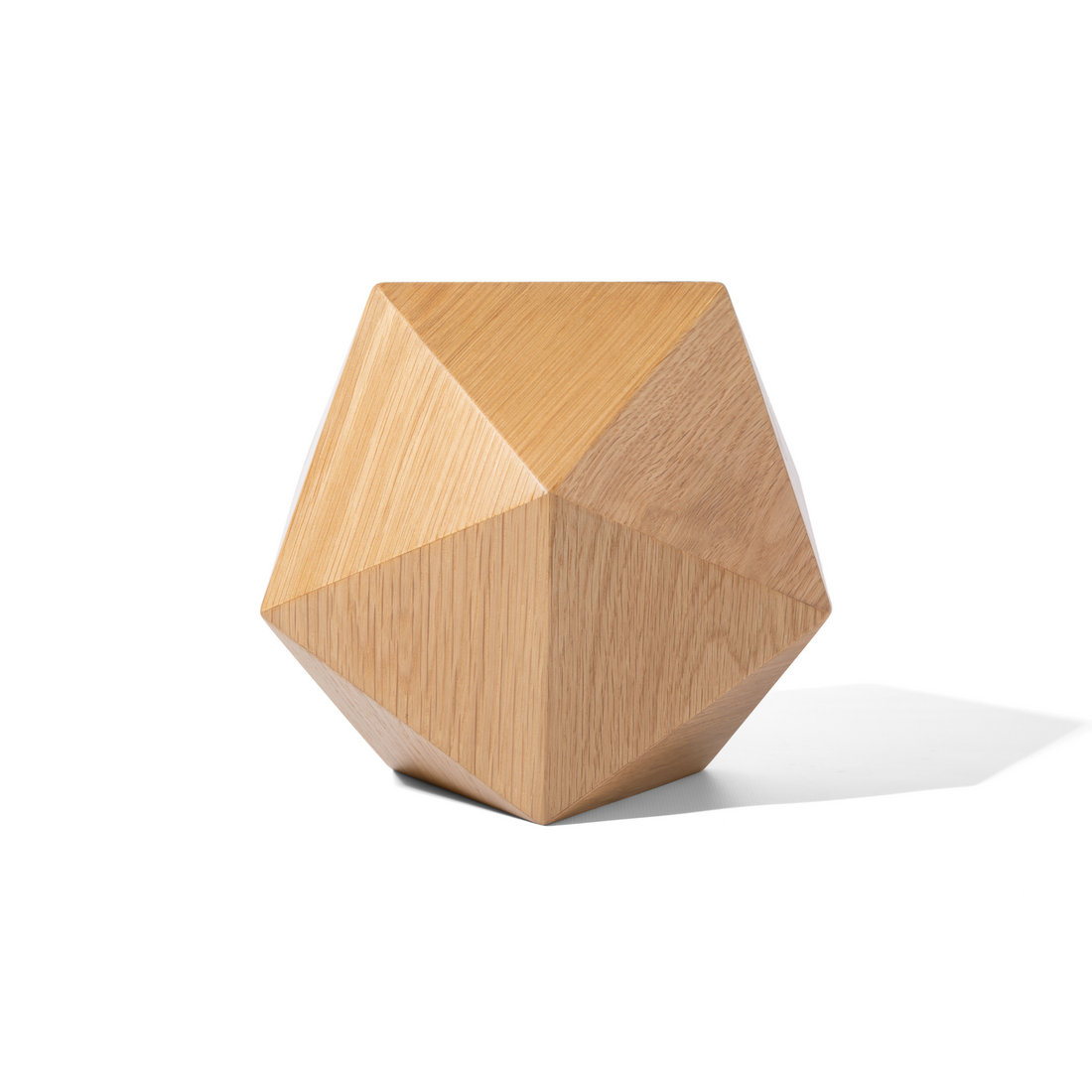
Work with a funeral director to assess what's possible when honoring multiple loved ones in one event. If cremation was chosen, look for matching or complementary urns, like Barnes Walnut and Barnes Oak, to reflect each sibling’s style while maintaining unity.
Step 2: Honor Each Sibling Individually
Even in a joint service, it’s important to give each sibling their own moment in the spotlight. This ensures their individuality is honored, not lost in the shared tribute. Ideas include:
-
A separate eulogy or reading for each sibling
-
Personal photo displays or memory tables with their favorite items
-
Slideshow segments dedicated to each life story
-
A printed program with individual sections, quotes, or notes
You can also invite different family members or friends to speak for each sibling, which creates variety in tone and memory-sharing while making the service feel balanced.
Step 3: Weave in Shared Touchpoints
While each sibling had their own life, many shared experiences shaped their connection. Celebrate that bond with shared elements throughout the service:
-
Music they enjoyed together—songs from road trips, family dinners, or holidays
-
Stories that highlight their interactions: inside jokes, sibling rivalries, shared accomplishments
-
A single candle lighting ceremony or group blessing honoring their unity
-
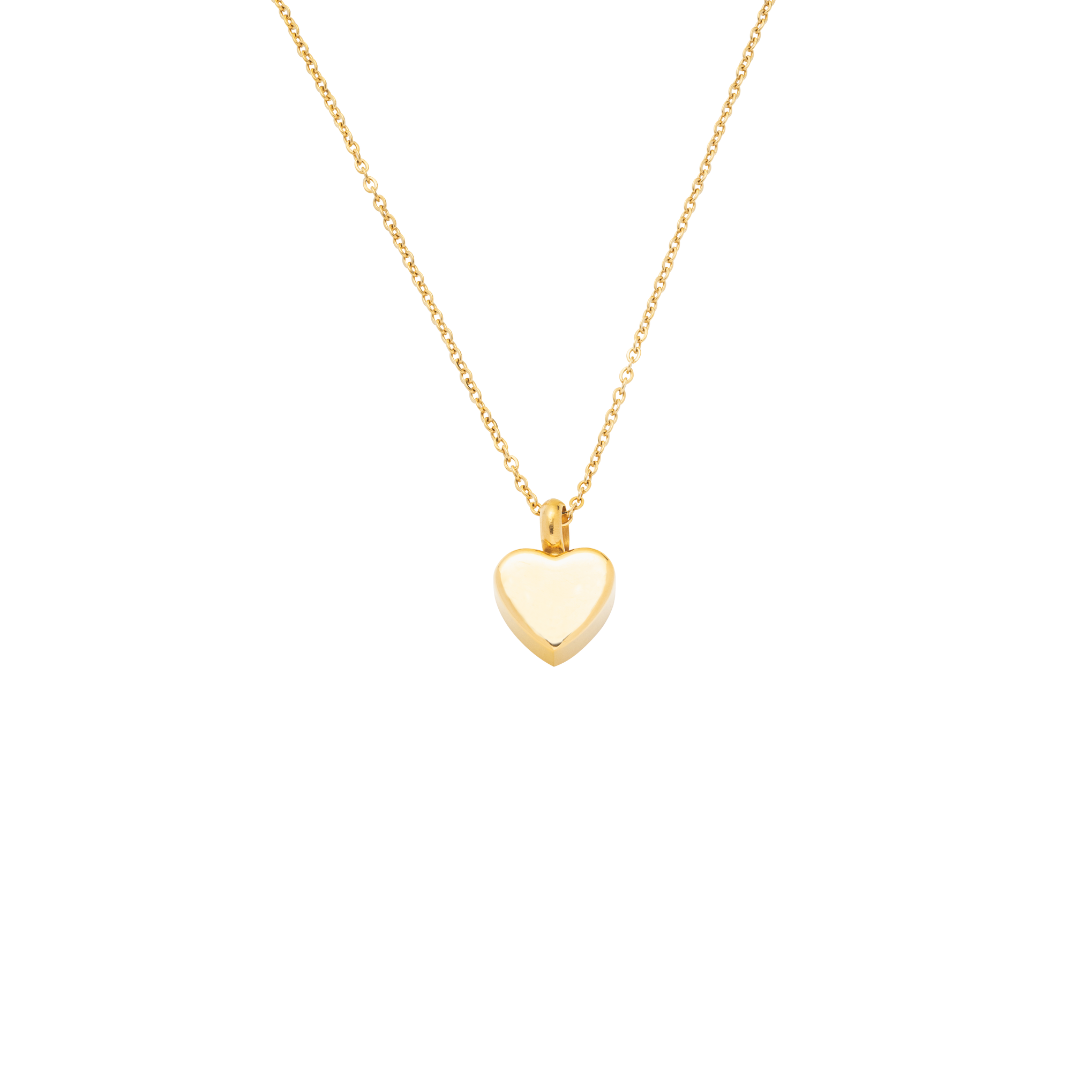
Joint keepsakes such as engraved cremation necklaces, shared fingerprint charms, or a memorial plaque with both names
Some families set up a memorial altar or shelf with both urns side by side, surrounded by shared objects like a game they loved or matching books they read.
Step 4: Involve the Community
Grief isn’t experienced in isolation. When siblings pass, their friends, neighbors, colleagues, and former classmates all feel the impact. Invite your wider community to participate:
-
Ask attendees to contribute written memories to a shared memory jar
-
Create a collaborative video montage with clips from family and friends
-
Set up a tribute wall where guests can pin notes, drawings, or favorite quotes
-
Invite shared friend groups to perform music, poetry, or readings
By involving others, the memorial becomes not only a space of mourning but also one of collective love and resilience.
Step 5: Offer Keepsakes and Personal Mementos
Grief continues long after the service. Offering keepsakes can help family members and close friends stay connected to their memories. Options include:
-
Matching keepsake urns that hold a small portion of ashes
-
Cremation jewelry with custom engraving or fingerprint designs
-
Memorial tattoos using ink infused with ashes or stylized from a handwritten note
-
Personalized boxes to store letters, artwork, or cards
These objects often become cherished heirlooms, offering comfort during anniversaries, holidays, or quiet moments of remembrance.
Step 6: Choose Readings and Rituals with Meaning
Choose readings and rituals that reflect both individuality and shared legacy. Consider:
-
Religious scripture, poems, or literary passages
-
Letters written by the siblings (to each other or the family)
-
Group songs that symbolize hope or love
-
Shared silence followed by a collective gesture like ringing a bell or lighting candles
Family rituals may also include:
-
Planting trees, shrubs, or flowers in their memory
-
Releasing sky lanterns at sunset
-
Creating a memorial time capsule filled with letters and objects for future generations
These rituals help people move through grief together, providing moments of peace, reflection, and hope.
Step 7: Prepare for the Emotional Complexity
Grief is complex. Grieving multiple siblings can bring unique layers of emotion, including:
-
Shock or numbness from the sudden loss
-
Conflicted feelings about relationships with one or both siblings
-
Guilt over surviving or over unresolved arguments
-
Stress from planning and managing family dynamics
To support everyone involved:
-
Acknowledge that each person grieves differently
-
Offer private spaces at the memorial for those who need quiet
-
Include time for informal conversation after the ceremony
-
Provide access to grief counselors or post-service support groups
-
Consider attending or hosting virtual grief support events in the following weeks
Planning the memorial together—as siblings, cousins, parents, or close friends—can be healing. It gives each person a role and a voice, creating a space of mutual compassion and collaboration.
Planning for Children and Elderly Relatives
If young children or elderly family members will attend, make special accommodations:
-
Include a soft space or break room nearby
-
Offer printed memory booklets with photos and quotes for younger guests
-
Consider an early ceremony start time to accommodate older attendees
-
Use inclusive language and accessible seating
Everyone processes loss differently, and your efforts to welcome and include all ages can be deeply meaningful.
Creative Touches to Consider
Some families find healing in unique gestures that reflect shared sibling culture:
-
A shared photo album guests can browse and contribute to
-
Their favorite meals or snacks at the reception
-
A “legacy table” with letters to future generations
-
A bench or plaque placed at a meaningful location like a school or trailhead
These personalized touches show love and creativity, offering something memorable and heartfelt for all who attend.
Final Thoughts
A joint memorial service for siblings is an act of deep love. It recognizes not only their individual legacies but also the powerful bond that shaped their lives—and the lives of those around them. Through careful planning, shared storytelling, meaningful keepsakes, and inclusive rituals, you can create a service that fosters healing, unity, and remembrance.
At Oaktree Memorials, we’re here to help with modern urns, keepsakes, and ideas that reflect the depth of your love. Whether you're planning something simple or elaborate, traditional or modern, we believe in helping you remember beautifully—together.


Our Best Sellers
-
The Bleecker Urn in Oak
 The Bleecker Urn in Oak
- Regular price
-
From
$395 - Regular price
-
$445 - Sale price
-
From
$395
Quick view
-
The Amore Cremation Necklace
 The Amore Cremation Necklace
- Regular price
-
From
$68 - Regular price
-
$95 - Sale price
-
From
$68
Quick view
-
The Tower Urn in Oak
 The Tower Urn in Oak
- Regular price
-
$95 - Regular price
-
$115 - Sale price
-
$95
Quick view

FAQs
What are the shipping options for my memorial gift?
Oaktree offers free nationwide shipping on all urns and cremation jewelry items, with delivery typically taking 2-5 business days, including processing time. Need it sooner? Expedited shipping (overnight or 2-day) is available at checkout for an additional cost, and we will also prioritize processing for faster delivery. If you need international shipping, please contact us first to confirm availability and rates.
How long will it take for my engraved item to arrive?
Engraved urns and cremation necklaces require an additional 1-3 business days for personalization before shipping. If you need faster delivery, please contact us—we’ll do our best to expedite processing and accommodate your timeline. Expedited shipping options are also available at checkout to ensure your memorial arrives as soon as possible.
What do I do if I never received my order?
If your order hasn’t arrived within 10 business days, please contact us so we can track your shipment and resolve any issues. We’ll ensure your memorial reaches you as soon as possible.
What do I do if I received a defective order?
If your order arrives damaged or defective, contact us right away. We take pride in our high-quality craftsmanship and will work quickly to replace or repair your item at no additional cost.
Can I return my urn or cremation necklace? What is your return policy?
Oaktree offers a 100-day return and exchange policy for non-engraved items. Due to personalization, engraved urns are final sale and cannot be returned. For full details on how to start a return or exchange, visit our Returns & Exchanges page.
How do I make changes to an urn I’ve already ordered?
If you need to modify an order, contact us as soon as possible. If your urn is already engraved, we may not be able to make changes, but we’ll do our best to accommodate your request before processing.
How are your urns made? Where do the materials come from?
Oaktree’s urns are handcrafted in the USA and Europe using sustainable, locally sourced materials. Our artisans ensure each piece is beautifully designed and built to honor your loved one’s memory with care.
How do I choose the right urn size?
Each product page includes detailed dimensions, weight capacity, and cubic inches to help you select the right urn. As a general guide, 1 cubic inch holds 1 pound of pre-cremation weight. If you need help choosing, feel free to contact us.
Some urns are marked as “sold out.” When will they be available?
Our handmade urns may take a few weeks to restock. If you’re interested in a specific style, contact us for an estimated restock date, and we’ll notify you when it’s available.
Does Oaktree place the ashes into my urn?
Yes, we offer an optional ash transfer service for an additional fee. If you’d like us to handle this process, please contact us when placing your order. You’ll need to mail the ashes to us, and we’ll carefully transfer them into your selected urn.
How do I transfer ashes into my urn?
Cremated remains typically arrive in a sealed plastic bag inside a plastic container. To transfer them, simply place the sealed bag inside your urn. If needed, use a funnel for precise placement. If you have any concerns, our team is happy to assist.
How do I order an engraved urn?
To personalize your urn, select “Yes” under “Would you like your item engraved?” on the product page. If you’d like a custom design beyond standard engraving, contact us and we’ll explore options to create a unique tribute.
Can my urn be shipped directly to a funeral home?
Yes! During checkout, you can enter the funeral home’s address for direct shipping.
Can I customize my urn beyond engraving?
Yes! In addition to engraving, we offer custom design services, including unique finishes, symbols, or artwork. If you’d like to personalize your urn beyond standard options, contact us to discuss customization possibilities.
What materials are Oaktree urns made from?
Our urns are crafted from premium materials such as wood, ceramic, marble, metal, and biodegradable materials. We focus on sustainable sourcing and high-quality craftsmanship to create lasting memorials.
Do you offer keepsake urns or mini urns?
Yes, we offer keepsake urns and mini urns, which are smaller versions designed for sharing ashes among family members or keeping a small portion as a personal tribute.
Can I pre-order an urn for future use?
Absolutely! Many customers choose to pre-order an urn in advance. This ensures availability and allows for customization without time constraints. Contact us to arrange a pre-order.
Do you offer pet urns?
Yes, we provide a range of pet memorial urns designed to honor beloved pets. These are available in different materials and sizes to suit dogs, cats, and other pets.
How do I clean and maintain my urn?
Urns require gentle care to maintain their beauty. Use a soft cloth and mild cleaner for metal or ceramic urns. Avoid direct sunlight and moisture to preserve wood urns. Contact us for specific care instructions based on your urn’s material.
Can I travel with an urn? Are they TSA-approved?
Most Oaktree urns are TSA-compliant, making them safe for air travel. Choose a non-metal urn to ensure easy screening. We recommend carrying the urn in your carry-on bag and bringing the cremation certificate from the funeral home.
How do I track my order?
Once your order ships, we’ll send you a tracking number via email. You can use this to monitor the shipment status. If you don’t receive tracking details, contact us for assistance.
How do I contact Oaktree if my question isn’t answered here?
We’re happy to assist! Visit our Contact Us page to reach us via email, chat, or phone. Our compassionate team is ready to help.