 Skip to content


Pet Insurance vs Emergency Savings: Which Is Better?
When it comes to preparing for your pet’s healthcare costs, one question comes up again and again: should you invest in pet insurance, or simply set aside savings for emergencies?
Both options aim to solve the same problem—covering unexpected veterinary expenses—but they approach it in very different ways. Choosing the right strategy depends on your financial situation, risk tolerance, and your pet’s unique needs.
Rather than thinking of this as a strict “either-or” decision, it’s more helpful to understand how each option works, where each excels, and when combining both might offer the best protection.
Understanding the Goal: Financial Protection for Your Pet
Veterinary care can be unpredictable. While routine visits are relatively manageable, emergencies—such as surgeries, hospitalizations, or chronic illnesses—can cost thousands of dollars.
The goal of both pet insurance and emergency savings is simple: to ensure that financial limitations never prevent you from giving your pet the care they need.
But how you reach that goal can vary significantly.
What Is Pet Insurance?
Pet insurance is a monthly subscription that helps cover veterinary expenses. Most plans operate on a reimbursement model, meaning you pay the bill upfront and receive a percentage back after filing a claim.
Typical coverage includes:
- Accidents and injuries
- Illnesses and infections
- Surgeries and hospital stays
- Diagnostic tests and treatments
Depending on the plan, reimbursement rates usually range from 70% to 90%, with deductibles and coverage limits influencing the overall cost.
What Is an Emergency Savings Fund?
An emergency savings fund is money you set aside specifically for unexpected pet expenses. Instead of paying monthly premiums to an insurance provider, you contribute to your own fund over time.
For example, you might save $50 to $100 per month, gradually building a reserve that can be used whenever needed.
Unlike insurance, this approach gives you complete control over how the money is used—but it also requires discipline and time to build.
The Advantages of Pet Insurance
Pet insurance offers a level of financial protection that savings alone may not provide—especially in the early years of pet ownership.
1. Immediate Coverage for Large Expenses
One of the biggest advantages of insurance is its ability to cover high-cost emergencies right away. Surgeries or treatments costing $3,000–$5,000 can be partially reimbursed, reducing the financial burden significantly.
2. Predictable Monthly Costs
Insurance spreads costs over time through manageable monthly premiums. This predictability can make budgeting easier, especially for households with limited cash reserves.
3. Peace of Mind in Emergencies
When your pet needs urgent care, insurance allows you to focus on medical decisions rather than financial ones. That emotional relief can be invaluable during stressful situations.
The Drawbacks of Pet Insurance
While insurance offers strong protection, it also comes with limitations.
1. Ongoing Monthly Cost
Premiums add up over time, especially if your pet remains healthy and you rarely file claims.
2. Exclusions and Limitations
Most plans do not cover pre-existing conditions, and some have limits on payouts or exclusions for certain treatments.
3. Upfront Payment Required
Even with insurance, you typically need to pay veterinary bills upfront before receiving reimbursement.
The Advantages of Emergency Savings
For those who prefer simplicity and flexibility, an emergency savings fund offers several benefits.
1. Full Control Over Funds
You decide how and when the money is used. There are no claim approvals, coverage limits, or exclusions.
2. No Monthly Premiums
Instead of paying an insurance company, you’re investing in your own financial safety net.
3. Long-Term Value
If your pet remains healthy, your savings continue to grow and can be used for future needs or even other life expenses.
The Drawbacks of Emergency Savings
Savings can be powerful—but they also have limitations, particularly in the early stages.
1. Time to Build Adequate Funds
It can take months or years to build a reserve large enough to cover major emergencies.
2. Risk of Large, Immediate Costs
If your pet experiences a serious health issue before your savings are sufficient, you may face significant financial strain.
3. Discipline Required
Consistently setting aside money requires commitment. Without it, the fund may not be there when you need it most.
Comparing Costs Over Time
Let’s look at a simplified example:
- Pet insurance premium: $40/month = $480/year
- Emergency savings contribution: $40/month = $480/year
Over five years:
- Insurance cost: $2,400 (with potential reimbursements)
- Savings fund: $2,400 (fully accessible)
The key difference is timing. Insurance protects you immediately, while savings gradually build protection over time.
When Pet Insurance Makes More Sense
Pet insurance may be the better choice if:
- You have limited savings available
- You want protection against large, unexpected expenses
- Your pet is young and eligible for comprehensive coverage
- You prefer predictable monthly budgeting
Insurance is particularly valuable during the early years of pet ownership when savings may not yet be sufficient.
When Emergency Savings May Be Enough
A savings-based approach may work better if:
- You already have a strong financial cushion
- You’re comfortable covering large expenses out-of-pocket
- Your pet is older with limited insurance options
- You prefer flexibility and control over your funds
For financially stable households, savings can provide a simple and effective solution.
Why a Hybrid Approach Often Works Best
For many pet owners, the most practical solution is combining both strategies.
Insurance + Savings = Balanced Protection
- Insurance covers large, unexpected expenses
- Savings handle smaller costs, deductibles, and gaps in coverage
This approach provides both immediate protection and long-term financial flexibility. It reduces risk while still allowing you to build a safety net over time.
Planning for Your Pet’s Entire Life
Financial preparation doesn’t end with emergencies. It’s important to consider the full spectrum of your pet’s life, including:
- Routine veterinary care
- Chronic condition management
- Senior pet needs
- End-of-life care
By planning for each stage, you create a comprehensive financial strategy that supports your pet from beginning to end.
Many families also choose to set aside funds for memorial options, such as cremation or keepsakes. Oaktree Memorials offers thoughtfully designed urns and cremation jewelry that help preserve the memory of a beloved pet with dignity and care.
Emotional Considerations in Financial Planning
Money and emotion often intersect when it comes to pet care. In moments of crisis, the last thing you want is to hesitate because of cost.
Whether you choose insurance, savings, or both, the goal is the same: to remove financial barriers so you can make decisions based on love and compassion.
Preparedness isn’t just practical—it’s deeply emotional. It ensures that when your pet needs you most, you’re ready.
Final Thoughts
There’s no one-size-fits-all answer to the question of pet insurance versus emergency savings. Each option has its strengths and limitations, and the best choice depends on your personal circumstances.
If you’re looking for immediate protection and peace of mind, pet insurance may be the right fit. If you prefer flexibility and long-term control, an emergency savings fund may serve you well. For many, combining both provides the strongest foundation.
What matters most is not which path you choose—but that you choose one. Planning ahead ensures your pet receives the care they deserve, no matter what life brings.
For those seeking meaningful ways to honor their pets, Oaktree Memorials offers a range of modern urns, keepsakes, and cremation jewelry designed to preserve love and memory for years to come.


Our Best Sellers
-
The Bleecker Urn in Walnut
 The Bleecker Urn in Walnut
- Regular price
-
From
$345 - Regular price
-
$445 - Sale price
-
From
$345
Quick view
-
The Bleecker Urn in Oak
 The Bleecker Urn in Oak
- Regular price
-
From
$395 - Regular price
-
$445 - Sale price
-
From
$395
Quick view
-
The Amore Cremation Necklace
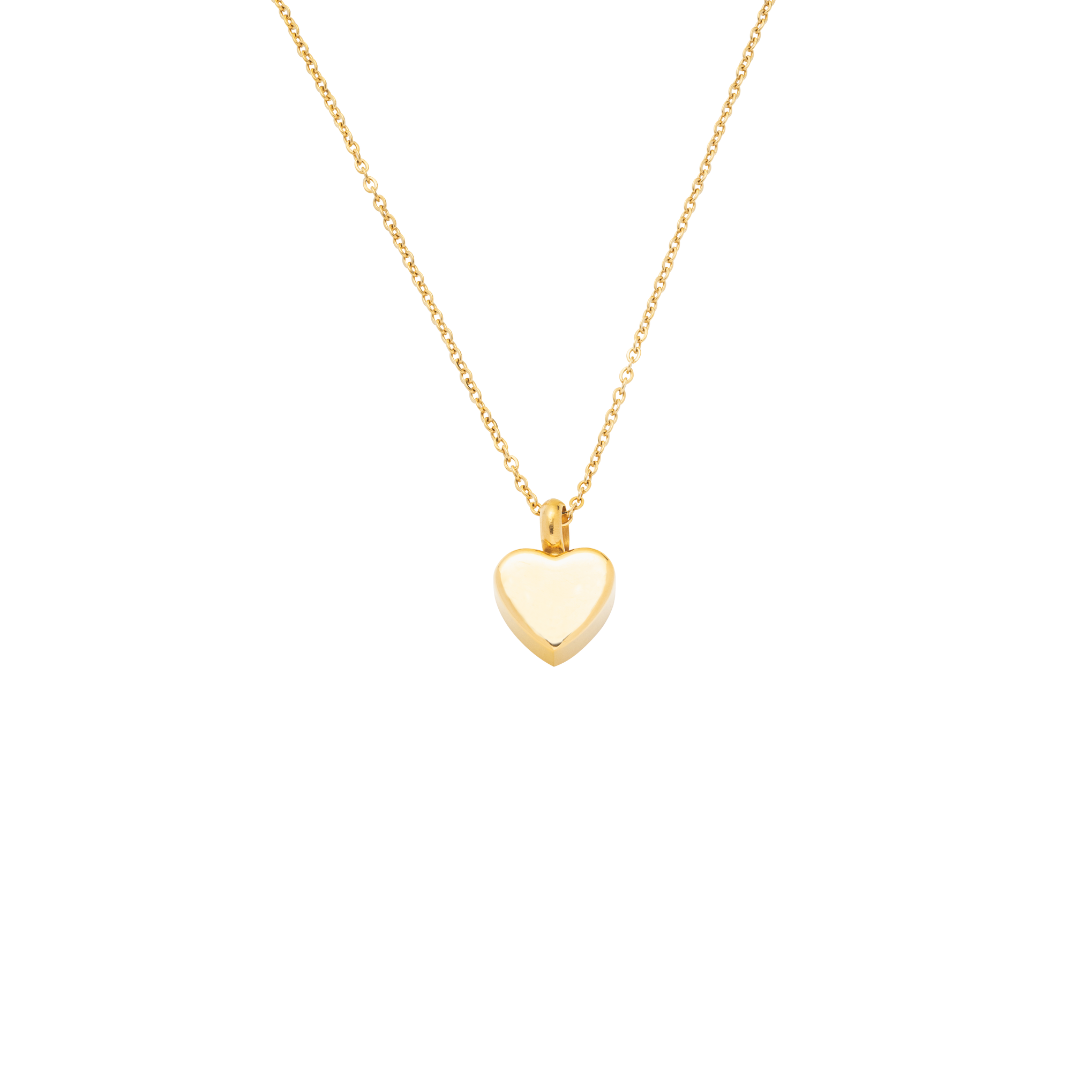 The Amore Cremation Necklace
- Regular price
-
From
$68 - Regular price
-
$95 - Sale price
-
From
$68
Quick view
-
The Tower Urn in Oak
 The Tower Urn in Oak
- Regular price
-
$75 - Regular price
-
$115 - Sale price
-
$75
Quick view

FAQs
What are the shipping options for my memorial gift?
Oaktree offers free nationwide shipping on all urns and cremation jewelry items, with delivery typically taking 2-5 business days, including processing time. Need it sooner? Expedited shipping (overnight or 2-day) is available at checkout for an additional cost, and we will also prioritize processing for faster delivery. If you need international shipping, please contact us first to confirm availability and rates.
How long will it take for my engraved item to arrive?
Engraved urns and cremation necklaces require an additional 1-3 business days for personalization before shipping. If you need faster delivery, please contact us—we’ll do our best to expedite processing and accommodate your timeline. Expedited shipping options are also available at checkout to ensure your memorial arrives as soon as possible.
What do I do if I never received my order?
If your order hasn’t arrived within 10 business days, please contact us so we can track your shipment and resolve any issues. We’ll ensure your memorial reaches you as soon as possible.
What do I do if I received a defective order?
If your order arrives damaged or defective, contact us right away. We take pride in our high-quality craftsmanship and will work quickly to replace or repair your item at no additional cost.
Can I return my urn or cremation necklace? What is your return policy?
Oaktree offers a 100-day return and exchange policy for non-engraved items. Due to personalization, engraved urns are final sale and cannot be returned. For full details on how to start a return or exchange, visit our Returns & Exchanges page.
How do I make changes to an urn I’ve already ordered?
If you need to modify an order, contact us as soon as possible. If your urn is already engraved, we may not be able to make changes, but we’ll do our best to accommodate your request before processing.
How are your urns made? Where do the materials come from?
Oaktree’s urns are handcrafted in the USA and Europe using sustainable, locally sourced materials. Our artisans ensure each piece is beautifully designed and built to honor your loved one’s memory with care.
How do I choose the right urn size?
Each product page includes detailed dimensions, weight capacity, and cubic inches to help you select the right urn. As a general guide, 1 cubic inch holds 1 pound of pre-cremation weight. If you need help choosing, feel free to contact us.
Some urns are marked as “sold out.” When will they be available?
Our handmade urns may take a few weeks to restock. If you’re interested in a specific style, contact us for an estimated restock date, and we’ll notify you when it’s available.
Does Oaktree place the ashes into my urn?
Yes, we offer an optional ash transfer service for an additional fee. If you’d like us to handle this process, please contact us when placing your order. You’ll need to mail the ashes to us, and we’ll carefully transfer them into your selected urn.
How do I transfer ashes into my urn?
Cremated remains typically arrive in a sealed plastic bag inside a plastic container. To transfer them, simply place the sealed bag inside your urn. If needed, use a funnel for precise placement. If you have any concerns, our team is happy to assist.
How do I order an engraved urn?
To personalize your urn, select “Yes” under “Would you like your item engraved?” on the product page. If you’d like a custom design beyond standard engraving, contact us and we’ll explore options to create a unique tribute.
Can my urn be shipped directly to a funeral home?
Yes! During checkout, you can enter the funeral home’s address for direct shipping.
Can I customize my urn beyond engraving?
Yes! In addition to engraving, we offer custom design services, including unique finishes, symbols, or artwork. If you’d like to personalize your urn beyond standard options, contact us to discuss customization possibilities.
What materials are Oaktree urns made from?
Our urns are crafted from premium materials such as wood, ceramic, marble, metal, and biodegradable materials. We focus on sustainable sourcing and high-quality craftsmanship to create lasting memorials.
Do you offer keepsake urns or mini urns?
Yes, we offer keepsake urns and mini urns, which are smaller versions designed for sharing ashes among family members or keeping a small portion as a personal tribute.
Can I pre-order an urn for future use?
Absolutely! Many customers choose to pre-order an urn in advance. This ensures availability and allows for customization without time constraints. Contact us to arrange a pre-order.
Do you offer pet urns?
Yes, we provide a range of pet memorial urns designed to honor beloved pets. These are available in different materials and sizes to suit dogs, cats, and other pets.
How do I clean and maintain my urn?
Urns require gentle care to maintain their beauty. Use a soft cloth and mild cleaner for metal or ceramic urns. Avoid direct sunlight and moisture to preserve wood urns. Contact us for specific care instructions based on your urn’s material.
Can I travel with an urn? Are they TSA-approved?
Most Oaktree urns are TSA-compliant, making them safe for air travel. Choose a non-metal urn to ensure easy screening. We recommend carrying the urn in your carry-on bag and bringing the cremation certificate from the funeral home.
How do I track my order?
Once your order ships, we’ll send you a tracking number via email. You can use this to monitor the shipment status. If you don’t receive tracking details, contact us for assistance.
How do I contact Oaktree if my question isn’t answered here?
We’re happy to assist! Visit our Contact Us page to reach us via email, chat, or phone. Our compassionate team is ready to help.