 Skip to content


A memorial podcast is not just a way to remember a loved one—it’s a way to speak their name, preserve their essence, and keep their stories alive.
In an age where storytelling, healing, and digital connection are more vital than ever, memorial podcasts have emerged as a heartfelt and accessible way to honor loved ones. Whether you're a grieving family member, a funeral director seeking to offer something special to clients, or a community organizer helping others process loss, starting a memorial podcast can be a powerful way to celebrate life and preserve memories.
This guide will walk you through how to start your own memorial podcast—why you might consider it, how to plan and produce it, and the tools you'll need to bring remembrance to life through audio.
Why Start a Memorial Podcast?
Memorial podcasts can serve many purposes, including:
-
Sharing a loved one’s life story in their own words or through the voices of friends and family
-
Creating an ongoing archive of memories and reflections
-
Helping others through grief by connecting shared experiences
-
Documenting cultural, historical, or spiritual aspects of a person's life
-
Providing a therapeutic outlet for storytelling and emotional release
Unlike static obituaries or tribute pages, a podcast creates space for long-form conversation, tone of voice, laughter, tears, and music. It’s an intimate format—one that meets people wherever they are, whether driving to work or sitting quietly with headphones.
Who Is It For?
Memorial podcasts are versatile and can be customized for many audiences:
-
Family-produced podcasts: A private or public series about one individual or a family member.
-
Funeral homes: A value-added offering to clients, professionally recorded and delivered post-service.
-
Support groups or therapists: A platform for community members to share loss and healing.
-
Nonprofits or cultural institutions: To preserve legacies of community leaders, artists, or historical figures.
You don’t need to be a professional broadcaster to get started—you just need a story, a microphone, and a desire to remember meaningfully.
Step 1: Define Your Purpose
Before you hit record, ask yourself a few key questions:
-
Is this a single tribute or a series of episodes?
-
Who will be speaking—just you, or multiple guests?
-
Is it for public listening or a private family archive?
-
What tone will it take: emotional, celebratory, reflective, conversational?
Examples of formats include:
-
One-time tribute: A 20- to 40-minute episode with eulogies and favorite stories.
-
Mini-series: A short podcast with 3–5 episodes, each focusing on a different part of the person's life.
-
Interview-style: You interview family and friends to share memories.
-
Letter format: Reading letters or notes written to or by the loved one.
-
Chronological biography: A start-to-finish account of the person’s life, voice-acted if needed.
Step 2: Gather Your Materials
Start organizing the content you’ll include in the podcast:
-
Photographs or videos to prompt stories
-
Voicemails or recordings of the loved one (if available)
-
Written obituaries, eulogies, or blog posts
-
Interview questions for guests
-
Favorite songs, poems, or quotes
-
Reflections or journal entries
Use this material to build a rough outline or episode script. Don’t worry about perfection—genuine emotion is far more important than polished language.
Step 3: Choose Your Tech Setup
You don’t need a professional studio, but basic equipment will help:
-
Microphone: A USB mic like the Blue Yeti or Audio-Technica ATR2100 works well.
-
Headphones: Any decent over-ear headphones will help monitor sound.
-
Recording software: Try GarageBand (Mac), Audacity (free, PC), or Riverside.fm for interviews.
-
Editing tools: You can use the same recording software or hire a freelance audio editor.
If you're recording interviews, tools like Zoom, Zencastr, or SquadCast can capture both sides clearly. Ask guests to use headphones to avoid echo.
Step 4: Record with Care
Find a quiet space with soft surfaces to absorb sound—like a bedroom or walk-in closet. Minimize background noise, and keep your microphone 6–8 inches from your mouth.
If you're emotional during recording, take breaks. Tears, pauses, and laughter all bring humanity to the podcast. You're not just recording—you're remembering.
Consider beginning your podcast with a simple spoken dedication:
"This episode is dedicated to [Name], who filled our lives with laughter, love, and unforgettable memories. Today, we honor them through our stories."
Step 5: Edit and Add Music
Editing helps smooth out audio glitches, long silences, or stumbles. You can also:
-
Add background music (try soft acoustic or piano)
-
Insert transitions between speakers
-
Include voiceovers for introductions or context
-
Stitch together clips from different sources
For royalty-free music, try platforms like Free Music Archive, Artlist, or Soundstripe. Avoid copyrighted tracks unless you’ve licensed them.
Step 6: Share the Podcast
If you're keeping it private, you can:
-
Share the audio file via Google Drive or Dropbox
-
Embed it on a memorial website
-
Burn it onto a keepsake USB to share at services
-
Include it in a memorial time capsule
For public distribution, you can upload to platforms like:
-
Anchor (now Spotify for Podcasters)
-
Buzzsprout
-
Podbean
-
SoundCloud
These platforms distribute to Spotify, Apple Podcasts, and Google Podcasts automatically. Add a thoughtful title, description, and photo of your loved one.
Step 7: Memorialize Visually
While a podcast is audio-first, many creators pair it with:
-
A cover photo or tribute artwork
-
A memorial website where the podcast is featured
-
Printed QR codes on urns or keepsakes linking to the episode
-
Soundwave art (printed images of the audio waveform)
These visual elements help the memorial feel multidimensional and interactive.
Step 8: Encourage Participation
If you’re creating a family or community podcast, invite others to contribute by:
-
Recording voice notes on their phone
-
Writing letters to be read aloud
-
Sending in questions, memories, or music suggestions
-
Submitting photos to include in cover art or websites
You can also create a group tribute where each person records a short memory, then you compile them into a collaborative memorial podcast.
Bonus: Use It as a Healing Tool
For some, recording a podcast becomes part of the grieving process. You may find that:
-
Speaking your memories out loud brings clarity and peace
-
The act of storytelling connects you with others
-
The podcast becomes a family heirloom for future generations
Even if you only record one episode, you’ve created something lasting, personal, and deeply human.
Final Thoughts
A memorial podcast is not just a way to remember a loved one—it’s a way to speak their name, preserve their essence, and keep their stories alive. In a world that often moves too fast, podcasting allows us to pause, reflect, and listen.
At Oaktree Memorials, we believe that remembrance should be as creative and personal as the lives we celebrate. Whether you're crafting a modern urn display, starting a digital memorial project, or launching your own tribute podcast, we're here to support your journey of honoring, healing, and remembering—beautifully.


Our Best Sellers
-
The Bleecker Urn in Walnut
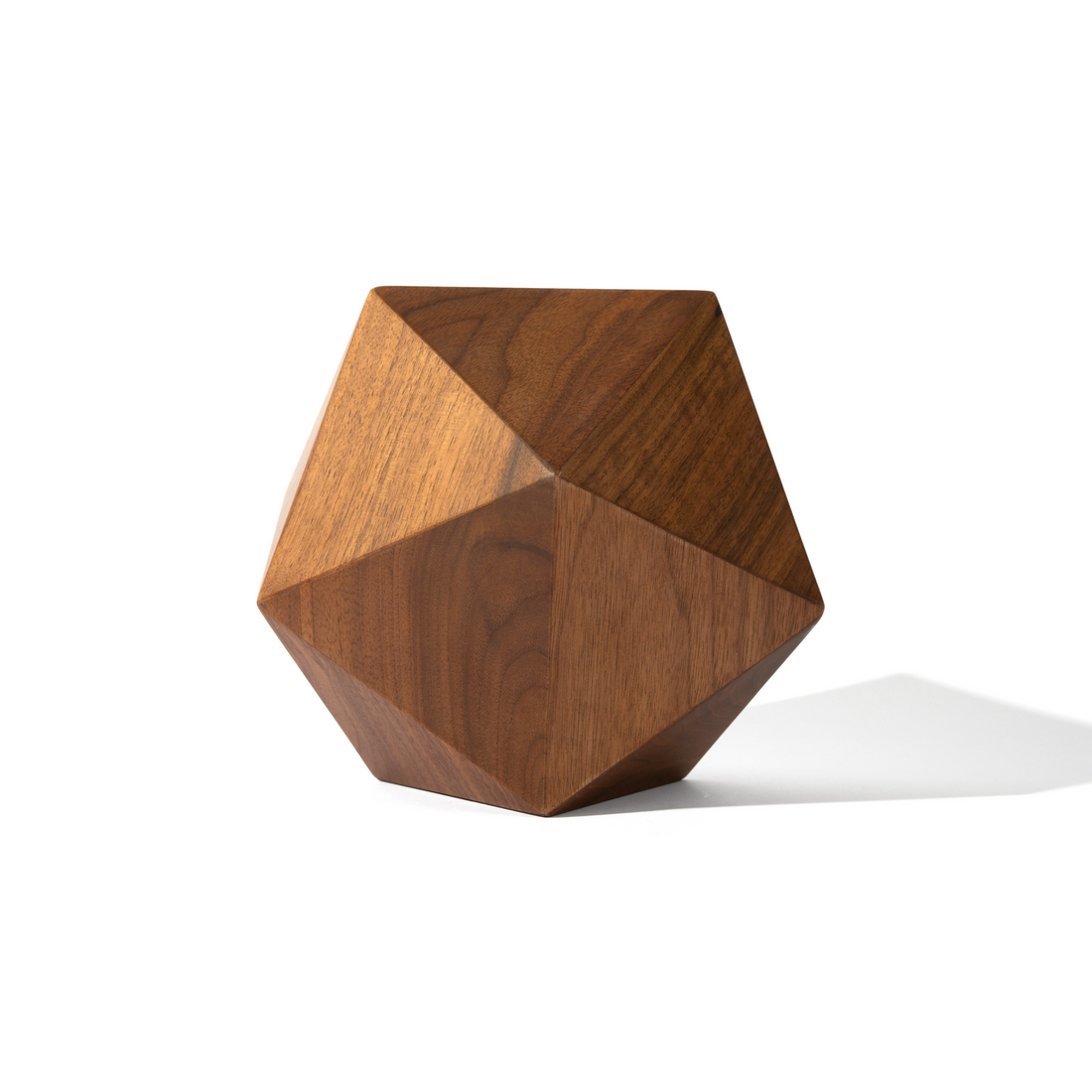 The Bleecker Urn in Walnut
- Regular price
-
From
$345 - Regular price
-
$445 - Sale price
-
From
$345
Quick view
-
The Bleecker Urn in Oak
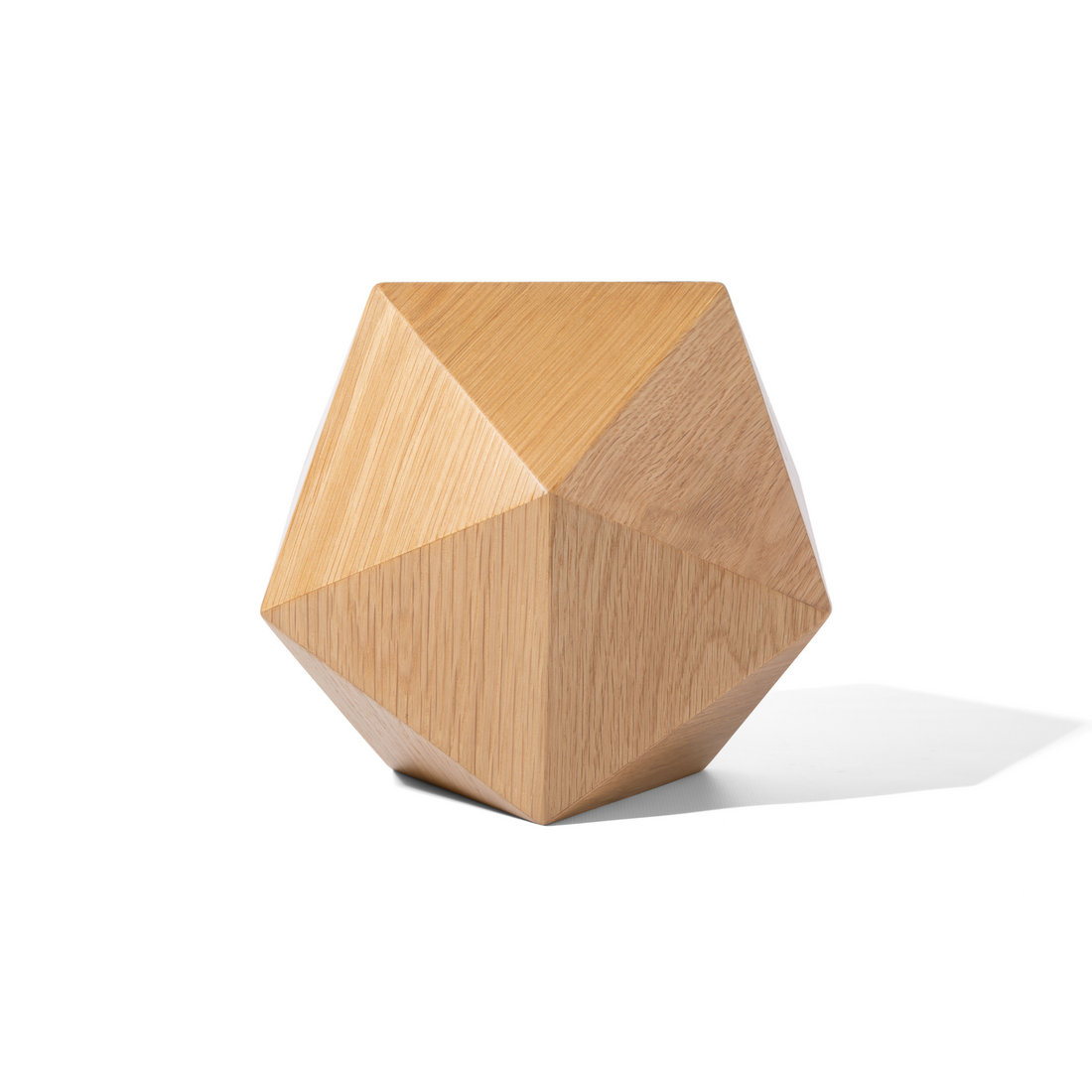 The Bleecker Urn in Oak
- Regular price
-
From
$395 - Regular price
-
$445 - Sale price
-
From
$395
Quick view
-
The Amore Cremation Necklace
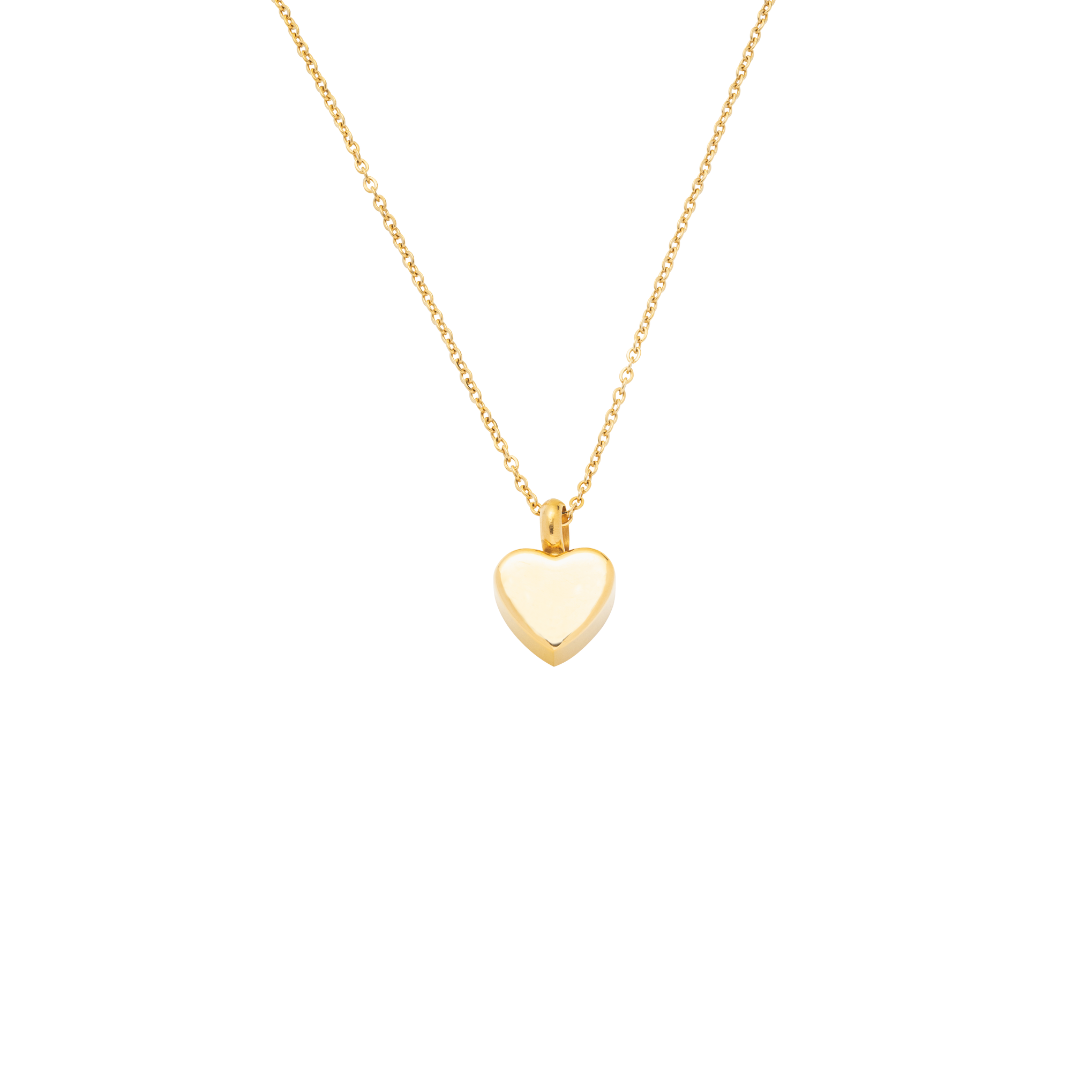 The Amore Cremation Necklace
- Regular price
-
From
$68 - Regular price
-
$95 - Sale price
-
From
$68
Quick view
-
The Tower Urn in Oak
 The Tower Urn in Oak
- Regular price
-
$75 - Regular price
-
$115 - Sale price
-
$75
Quick view

FAQs
What are the shipping options for my memorial gift?
Oaktree offers free nationwide shipping on all urns and cremation jewelry items, with delivery typically taking 2-5 business days, including processing time. Need it sooner? Expedited shipping (overnight or 2-day) is available at checkout for an additional cost, and we will also prioritize processing for faster delivery. If you need international shipping, please contact us first to confirm availability and rates.
How long will it take for my engraved item to arrive?
Engraved urns and cremation necklaces require an additional 1-3 business days for personalization before shipping. If you need faster delivery, please contact us—we’ll do our best to expedite processing and accommodate your timeline. Expedited shipping options are also available at checkout to ensure your memorial arrives as soon as possible.
What do I do if I never received my order?
If your order hasn’t arrived within 10 business days, please contact us so we can track your shipment and resolve any issues. We’ll ensure your memorial reaches you as soon as possible.
What do I do if I received a defective order?
If your order arrives damaged or defective, contact us right away. We take pride in our high-quality craftsmanship and will work quickly to replace or repair your item at no additional cost.
Can I return my urn or cremation necklace? What is your return policy?
Oaktree offers a 100-day return and exchange policy for non-engraved items. Due to personalization, engraved urns are final sale and cannot be returned. For full details on how to start a return or exchange, visit our Returns & Exchanges page.
How do I make changes to an urn I’ve already ordered?
If you need to modify an order, contact us as soon as possible. If your urn is already engraved, we may not be able to make changes, but we’ll do our best to accommodate your request before processing.
How are your urns made? Where do the materials come from?
Oaktree’s urns are handcrafted in the USA and Europe using sustainable, locally sourced materials. Our artisans ensure each piece is beautifully designed and built to honor your loved one’s memory with care.
How do I choose the right urn size?
Each product page includes detailed dimensions, weight capacity, and cubic inches to help you select the right urn. As a general guide, 1 cubic inch holds 1 pound of pre-cremation weight. If you need help choosing, feel free to contact us.
Some urns are marked as “sold out.” When will they be available?
Our handmade urns may take a few weeks to restock. If you’re interested in a specific style, contact us for an estimated restock date, and we’ll notify you when it’s available.
Does Oaktree place the ashes into my urn?
Yes, we offer an optional ash transfer service for an additional fee. If you’d like us to handle this process, please contact us when placing your order. You’ll need to mail the ashes to us, and we’ll carefully transfer them into your selected urn.
How do I transfer ashes into my urn?
Cremated remains typically arrive in a sealed plastic bag inside a plastic container. To transfer them, simply place the sealed bag inside your urn. If needed, use a funnel for precise placement. If you have any concerns, our team is happy to assist.
How do I order an engraved urn?
To personalize your urn, select “Yes” under “Would you like your item engraved?” on the product page. If you’d like a custom design beyond standard engraving, contact us and we’ll explore options to create a unique tribute.
Can my urn be shipped directly to a funeral home?
Yes! During checkout, you can enter the funeral home’s address for direct shipping.
Can I customize my urn beyond engraving?
Yes! In addition to engraving, we offer custom design services, including unique finishes, symbols, or artwork. If you’d like to personalize your urn beyond standard options, contact us to discuss customization possibilities.
What materials are Oaktree urns made from?
Our urns are crafted from premium materials such as wood, ceramic, marble, metal, and biodegradable materials. We focus on sustainable sourcing and high-quality craftsmanship to create lasting memorials.
Do you offer keepsake urns or mini urns?
Yes, we offer keepsake urns and mini urns, which are smaller versions designed for sharing ashes among family members or keeping a small portion as a personal tribute.
Can I pre-order an urn for future use?
Absolutely! Many customers choose to pre-order an urn in advance. This ensures availability and allows for customization without time constraints. Contact us to arrange a pre-order.
Do you offer pet urns?
Yes, we provide a range of pet memorial urns designed to honor beloved pets. These are available in different materials and sizes to suit dogs, cats, and other pets.
How do I clean and maintain my urn?
Urns require gentle care to maintain their beauty. Use a soft cloth and mild cleaner for metal or ceramic urns. Avoid direct sunlight and moisture to preserve wood urns. Contact us for specific care instructions based on your urn’s material.
Can I travel with an urn? Are they TSA-approved?
Most Oaktree urns are TSA-compliant, making them safe for air travel. Choose a non-metal urn to ensure easy screening. We recommend carrying the urn in your carry-on bag and bringing the cremation certificate from the funeral home.
How do I track my order?
Once your order ships, we’ll send you a tracking number via email. You can use this to monitor the shipment status. If you don’t receive tracking details, contact us for assistance.
How do I contact Oaktree if my question isn’t answered here?
We’re happy to assist! Visit our Contact Us page to reach us via email, chat, or phone. Our compassionate team is ready to help.