 Skip to content


Every family carries a living archive—stories told at the dinner table, lessons shared during quiet moments, memories that shape identity without ever being written down. Recording legacy interviews with parents or grandparents offers families a powerful way to preserve these stories while voices, expressions, and personal reflections are still present.
These interviews are not about perfect storytelling or polished recordings. They are about capturing voice, presence, humor, and wisdom in a way future generations can return to again and again. For many families, the act of recording becomes a meaningful experience itself—one rooted in listening, connection, and shared time.
This guide walks through how to record legacy interviews with parents or grandparents, including thoughtful question prompts and practical technical tips to make the process accessible and meaningful.
Why Recording Family Stories Matters
Family stories shape identity. They explain where we come from, what we value, and how we understand resilience, love, and change.
Recording interviews matters because it:
-
Preserves voice and personality
-
Captures lived experience firsthand
-
Protects stories from being forgotten
-
Strengthens intergenerational connection
Hearing a parent’s or grandparent’s voice can become an emotional anchor long after they are gone.
What Is a Legacy Interview
A legacy interview is a recorded conversation designed to preserve personal history, reflections, and values. It can be audio-only, video-based, or both.
These interviews often explore:
-
Childhood memories
-
Family traditions
-
Life lessons
-
Personal beliefs
-
Reflections on relationships
The tone should feel conversational, not formal.
Why Parents and Grandparents Are Ideal Interviewees
Parents and grandparents carry generational perspective—stories that connect past and present.
Their interviews often include:
-
Family origin stories
-
Cultural traditions
-
Experiences of change and adaptation
-
Lessons learned over time
These insights provide context that written records often lack.
When to Record a Legacy Interview
There is rarely a perfect moment—but earlier is always better.
Families often record interviews during:
-
Milestone birthdays
-
Holidays or family gatherings
-
Retirement transitions
-
Periods of reflection
Recording before urgency exists allows space for comfort and depth.
Creating a Comfortable Interview Environment
Comfort encourages openness. Choose a setting that feels familiar and relaxed.
Helpful considerations include:
-
A quiet, well-lit room
-
Comfortable seating
-
Minimal background noise
-
No time pressure
A relaxed environment supports natural storytelling.
How to Introduce the Interview
Explain the purpose gently and clearly.
Helpful framing includes:
-
Emphasizing family legacy
-
Highlighting future generations
-
Reassuring there are no “right” answers
Make participation feel honoring, not demanding.
Question Prompts to Get the Conversation Started
Open-ended questions encourage reflection rather than factual recall.
Helpful prompts include:
-
What are your earliest childhood memories?
-
What lessons did your parents teach you—intentionally or not?
-
What traditions mattered most in your family?
-
What moments shaped who you became?
-
What are you most proud of?
Let stories unfold naturally.
Questions About Relationships and Family Life
These prompts deepen emotional connection.
Examples include:
-
How did you meet your partner?
-
What did parenthood teach you?
-
What do you hope your children remember most?
These reflections often become especially meaningful.
Questions About Values and Life Lessons
Values-based questions capture wisdom.
Consider asking:
-
What advice would you give your younger self?
-
What values guided your decisions?
-
What mistakes taught you the most?
These answers often become guiding touchstones.
Questions About Challenges and Resilience
Handled gently, these topics provide depth.
Approach with care and permission:
-
What challenges shaped your resilience?
-
How did you navigate difficult seasons?
Allow emotional boundaries to guide the conversation.
Letting the Interview Flow Naturally
Legacy interviews work best when they feel like conversations.
Allow:
-
Pauses
-
Laughter
-
Emotion
-
Story tangents
Some of the most meaningful moments emerge unexpectedly.
Respecting Emotional Boundaries
Not every topic is appropriate or comfortable.
Honor boundaries by:
-
Allowing questions to be skipped
-
Observing emotional cues
-
Avoiding pressure
Consent builds trust.
Technical Tips for Recording at Home
Recording does not require professional equipment.
Simple tools often work well:
-
Smartphones with voice memo or video apps
-
Tablets or laptops
-
External microphones if available
Clarity matters more than production quality.
Audio vs. Video Recording Considerations
Each format offers benefits.
Audio recordings preserve:
-
Voice tone
-
Laughter
-
Speech patterns
Video recordings add:
-
Facial expressions
-
Gestures
-
Physical presence
Choose based on comfort and accessibility.
Improving Sound Quality Easily
Small adjustments make a big difference.
Tips include:
-
Turning off background noise
-
Sitting close to the microphone
-
Using soft furnishings to reduce echo
Clear sound enhances emotional connection.
Lighting Tips for Video Interviews
If recording video:
-
Use natural light when possible
-
Position light in front of the subject
-
Avoid harsh overhead lighting
Comfortable lighting helps subjects relax.
Recording in Short Sessions
Long interviews can be tiring.
Consider:
-
Multiple shorter sessions
-
Pausing when energy dips
-
Resuming on another day
Short recordings are still deeply valuable.
Editing Without Losing Authenticity
Editing should preserve voice and emotion.
Families may choose to:
-
Trim long pauses
-
Organize sections
-
Leave natural speech intact
Authenticity matters more than polish.
Storing and Backing Up Recordings
Protect recordings by storing them safely.
Recommended practices include:
-
Multiple digital backups
-
Cloud and external storage
-
Clearly labeled files
Preservation ensures longevity.
Sharing Recordings Thoughtfully
Decide how recordings will be shared.
Options include:
-
Private family archives
-
Selected clips for memorials
-
Full recordings for future generations
Intentional sharing protects emotional integrity.
Using Legacy Interviews in Memorials
After loss, recordings often become treasured memorial elements.
They may be used during:
-
Memorial services
-
Anniversaries
-
Family gatherings
Hearing a familiar voice offers comfort and grounding.
Legacy Interviews as Gifts for the Future
These recordings often become gifts for children and grandchildren.
They allow future generations to:
-
Hear ancestral voices
-
Understand family history
-
Feel connected beyond time
Legacy becomes lived experience.
Why Legacy Interviews Support Healing
Recording family stories supports emotional well-being for everyone involved.
Benefits include:
-
Strengthened connection
-
Reduced fear of forgetting
-
Validation of lived experience
The process itself is often healing.
Letting Imperfection Be Part of the Legacy
Legacy interviews do not need to be comprehensive or flawless.
Even short recordings hold profound meaning.
Presence matters more than completeness.


Our Best Sellers
-
The Bleecker Urn in Walnut
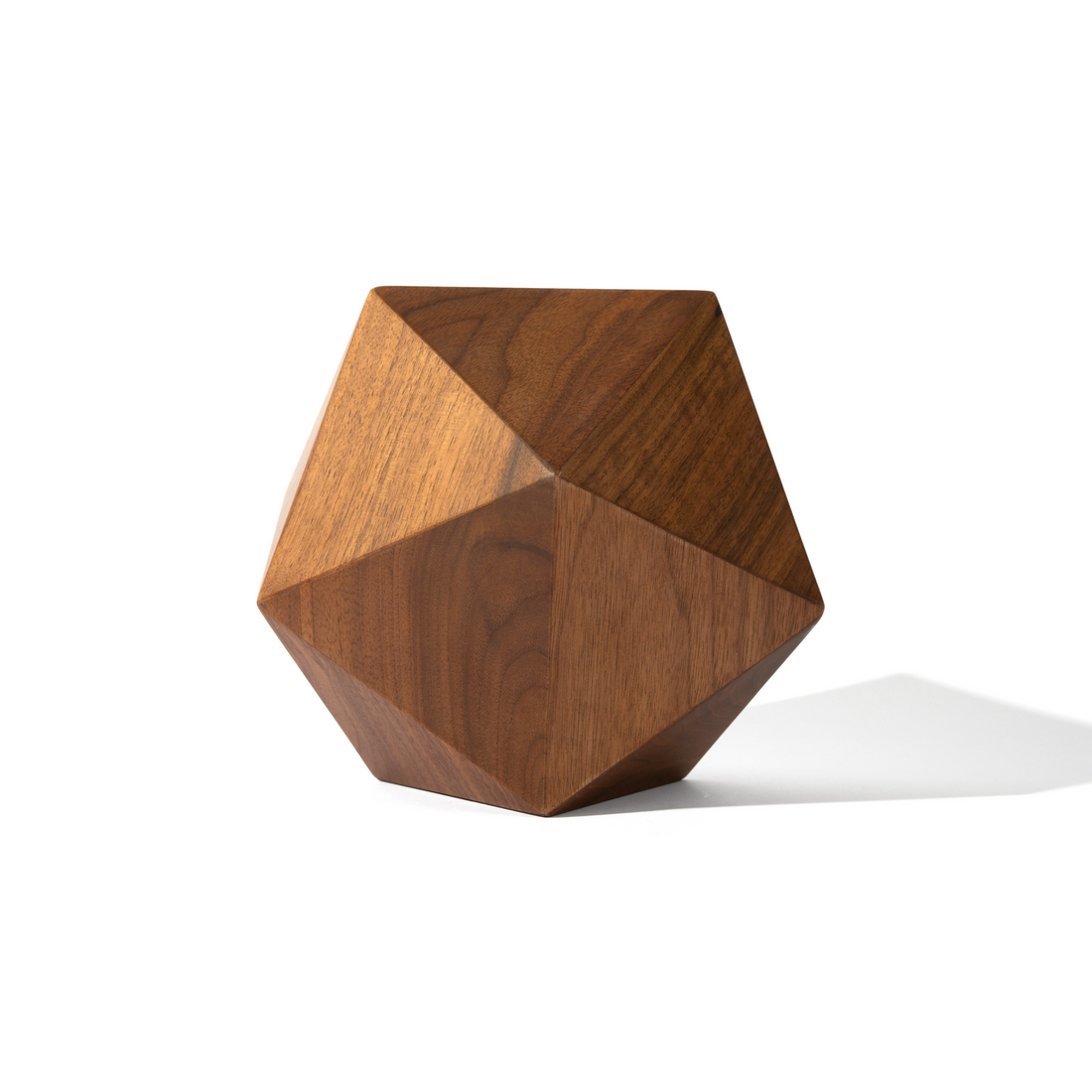 The Bleecker Urn in Walnut
- Regular price
-
From
$345 - Regular price
-
$445 - Sale price
-
From
$345
Quick view
-
The Bleecker Urn in Oak
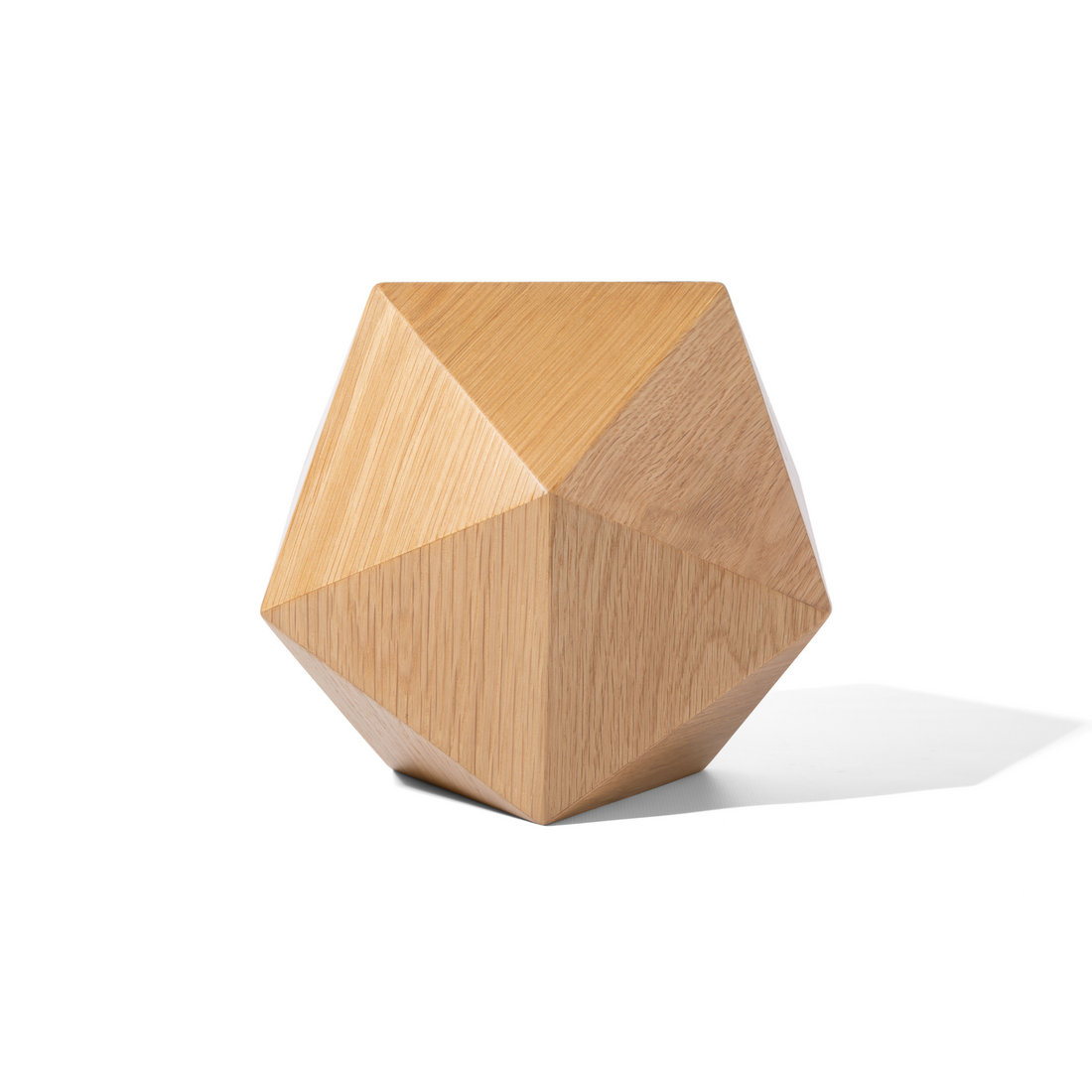 The Bleecker Urn in Oak
- Regular price
-
From
$395 - Regular price
-
$445 - Sale price
-
From
$395
Quick view
-
The Amore Cremation Necklace
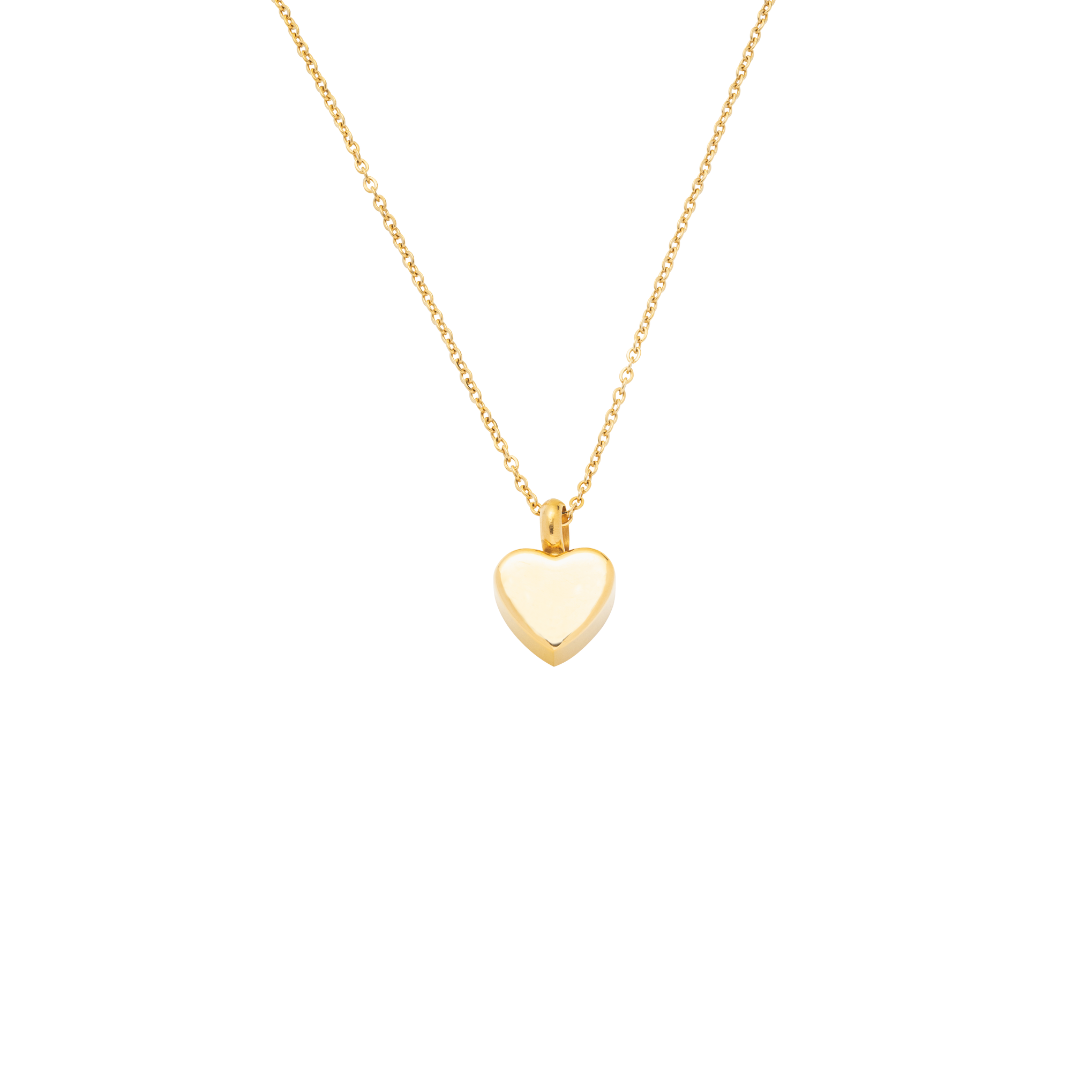 The Amore Cremation Necklace
- Regular price
-
From
$68 - Regular price
-
$95 - Sale price
-
From
$68
Quick view
-
The Tower Urn in Oak
 The Tower Urn in Oak
- Regular price
-
$75 - Regular price
-
$115 - Sale price
-
$75
Quick view

FAQs
What are the shipping options for my memorial gift?
Oaktree offers free nationwide shipping on all urns and cremation jewelry items, with delivery typically taking 2-5 business days, including processing time. Need it sooner? Expedited shipping (overnight or 2-day) is available at checkout for an additional cost, and we will also prioritize processing for faster delivery. If you need international shipping, please contact us first to confirm availability and rates.
How long will it take for my engraved item to arrive?
Engraved urns and cremation necklaces require an additional 1-3 business days for personalization before shipping. If you need faster delivery, please contact us—we’ll do our best to expedite processing and accommodate your timeline. Expedited shipping options are also available at checkout to ensure your memorial arrives as soon as possible.
What do I do if I never received my order?
If your order hasn’t arrived within 10 business days, please contact us so we can track your shipment and resolve any issues. We’ll ensure your memorial reaches you as soon as possible.
What do I do if I received a defective order?
If your order arrives damaged or defective, contact us right away. We take pride in our high-quality craftsmanship and will work quickly to replace or repair your item at no additional cost.
Can I return my urn or cremation necklace? What is your return policy?
Oaktree offers a 100-day return and exchange policy for non-engraved items. Due to personalization, engraved urns are final sale and cannot be returned. For full details on how to start a return or exchange, visit our Returns & Exchanges page.
How do I make changes to an urn I’ve already ordered?
If you need to modify an order, contact us as soon as possible. If your urn is already engraved, we may not be able to make changes, but we’ll do our best to accommodate your request before processing.
How are your urns made? Where do the materials come from?
Oaktree’s urns are handcrafted in the USA and Europe using sustainable, locally sourced materials. Our artisans ensure each piece is beautifully designed and built to honor your loved one’s memory with care.
How do I choose the right urn size?
Each product page includes detailed dimensions, weight capacity, and cubic inches to help you select the right urn. As a general guide, 1 cubic inch holds 1 pound of pre-cremation weight. If you need help choosing, feel free to contact us.
Some urns are marked as “sold out.” When will they be available?
Our handmade urns may take a few weeks to restock. If you’re interested in a specific style, contact us for an estimated restock date, and we’ll notify you when it’s available.
Does Oaktree place the ashes into my urn?
Yes, we offer an optional ash transfer service for an additional fee. If you’d like us to handle this process, please contact us when placing your order. You’ll need to mail the ashes to us, and we’ll carefully transfer them into your selected urn.
How do I transfer ashes into my urn?
Cremated remains typically arrive in a sealed plastic bag inside a plastic container. To transfer them, simply place the sealed bag inside your urn. If needed, use a funnel for precise placement. If you have any concerns, our team is happy to assist.
How do I order an engraved urn?
To personalize your urn, select “Yes” under “Would you like your item engraved?” on the product page. If you’d like a custom design beyond standard engraving, contact us and we’ll explore options to create a unique tribute.
Can my urn be shipped directly to a funeral home?
Yes! During checkout, you can enter the funeral home’s address for direct shipping.
Can I customize my urn beyond engraving?
Yes! In addition to engraving, we offer custom design services, including unique finishes, symbols, or artwork. If you’d like to personalize your urn beyond standard options, contact us to discuss customization possibilities.
What materials are Oaktree urns made from?
Our urns are crafted from premium materials such as wood, ceramic, marble, metal, and biodegradable materials. We focus on sustainable sourcing and high-quality craftsmanship to create lasting memorials.
Do you offer keepsake urns or mini urns?
Yes, we offer keepsake urns and mini urns, which are smaller versions designed for sharing ashes among family members or keeping a small portion as a personal tribute.
Can I pre-order an urn for future use?
Absolutely! Many customers choose to pre-order an urn in advance. This ensures availability and allows for customization without time constraints. Contact us to arrange a pre-order.
Do you offer pet urns?
Yes, we provide a range of pet memorial urns designed to honor beloved pets. These are available in different materials and sizes to suit dogs, cats, and other pets.
How do I clean and maintain my urn?
Urns require gentle care to maintain their beauty. Use a soft cloth and mild cleaner for metal or ceramic urns. Avoid direct sunlight and moisture to preserve wood urns. Contact us for specific care instructions based on your urn’s material.
Can I travel with an urn? Are they TSA-approved?
Most Oaktree urns are TSA-compliant, making them safe for air travel. Choose a non-metal urn to ensure easy screening. We recommend carrying the urn in your carry-on bag and bringing the cremation certificate from the funeral home.
How do I track my order?
Once your order ships, we’ll send you a tracking number via email. You can use this to monitor the shipment status. If you don’t receive tracking details, contact us for assistance.
How do I contact Oaktree if my question isn’t answered here?
We’re happy to assist! Visit our Contact Us page to reach us via email, chat, or phone. Our compassionate team is ready to help.