 Skip to content


Grief is a deeply personal experience, and for children, it can be especially confusing and overwhelming. Unlike adults, children may not have the words or emotional framework to fully express what they are feeling. They may move in and out of grief quickly, showing moments of sadness followed by play or distraction. Supporting a child through loss requires patience, understanding, and a willingness to meet them where they are.
Whether a child is grieving the loss of a family member, a friend, or a beloved pet, the way they are supported during this time can shape how they process emotions and cope with future challenges. Providing a safe, open environment allows them to feel seen, heard, and supported as they navigate their grief.
Understanding How Children Experience Grief
Children do not experience grief in the same way adults do. Their understanding of death evolves with age, and their reactions may vary widely. Younger children may not fully grasp the permanence of death, while older children may struggle with more complex emotions such as guilt, anger, or fear.
Grief in children can appear in different ways, including changes in behavior, mood swings, or physical symptoms like headaches or stomachaches. Some children may ask repeated questions as they try to make sense of what has happened, while others may withdraw or avoid the topic altogether.
Recognizing that there is no “right” way for a child to grieve is an important first step in offering meaningful support.
Being Honest and Age-Appropriate
One of the most important things you can do is communicate honestly. Children benefit from clear, simple explanations that are appropriate for their age and level of understanding. Avoid using vague phrases that can create confusion, such as “gone to sleep,” which may lead to misunderstandings or fear.
Instead, use straightforward language while remaining gentle and reassuring. Answer questions as they arise, even if they are repeated, and provide consistent information to help the child process what has happened.
Honesty builds trust and helps children feel secure during an uncertain time.
Creating a Safe Space for Expression
Children need to feel that their emotions are valid and accepted. Encourage them to express their feelings in whatever way feels natural to them. This might include talking, drawing, writing, or playing.
Some children may not want to talk directly about their grief, and that’s okay. Providing opportunities for expression without pressure allows them to process emotions at their own pace.
Listening without judgment is key. When a child shares their feelings, acknowledge them with empathy and understanding rather than trying to fix or minimize their emotions.
Maintaining Routine and Stability
During times of loss, maintaining a sense of normalcy can be incredibly comforting for children. Routines provide structure and predictability, helping children feel safe and grounded.
Keeping regular schedules for meals, school, and bedtime can offer a sense of stability. While it’s important to allow space for grief, balancing that with familiar routines helps children navigate their emotions without feeling overwhelmed.
Consistency in daily life reinforces a sense of security during a period of change.
Helping Children Understand Their Emotions
Children may not always recognize or understand what they are feeling. They might experience sadness, anger, confusion, or even guilt without knowing how to describe it.
Helping them identify and name their emotions can be empowering. Simple statements like, “It seems like you’re feeling sad,” or “It’s okay to feel angry,” can validate their experience and encourage emotional awareness.
Teaching children that all feelings are acceptable helps them develop healthy coping skills.
Encouraging Questions and Open Dialogue
Children are naturally curious and may have many questions about death and what it means. Encouraging open dialogue allows them to explore these questions in a safe and supportive environment.
Answer questions honestly, and if you don’t know the answer, it’s okay to say so. This openness fosters trust and helps children feel comfortable coming to you with their thoughts and concerns.
Avoid shutting down conversations or changing the subject, as this can make children feel that their questions are not welcome.
Using Books and Stories as Tools
Books and stories can be helpful tools for explaining grief and loss in a way that children can understand. They provide relatable examples and can open the door for discussion.
Reading together allows children to see that others experience similar feelings, helping them feel less alone. It also provides an opportunity to talk about emotions in a gentle and accessible way.
Supporting Through Play and Creativity
Play is a natural way for children to process complex emotions. Through imaginative play, drawing, or creative activities, children can express feelings they may not be able to verbalize.
Encouraging creative outlets gives children a sense of control and helps them work through their grief in a way that feels safe and familiar.
These activities can also serve as a bridge to deeper conversations when the child is ready.
Recognizing Changes in Behavior
Grief can sometimes manifest as changes in behavior. A child who is grieving may become more withdrawn, irritable, or clingy. They may have difficulty concentrating or show changes in sleep patterns.
These behaviors are often a normal part of the grieving process, but it’s important to monitor them. If changes are severe or persist over time, seeking guidance from a counselor or mental health professional can provide additional support.
Being attentive to these shifts helps ensure the child receives the care they need.
Modeling Healthy Grieving
Children often look to adults for cues on how to respond to difficult situations. Modeling healthy grieving behaviors can help them understand that it’s okay to feel and express emotions.
Sharing your own feelings in an age-appropriate way shows that grief is a natural response to loss. It also demonstrates that emotions can be managed and expressed in healthy ways.
Balancing openness with reassurance helps children feel supported without becoming overwhelmed.
Involving Children in Remembrance
Including children in remembrance activities can help them feel connected to the person or pet they have lost. This might involve creating a memory box, drawing pictures, or participating in a memorial service.
These activities provide a tangible way to honor the relationship and keep memories alive. They also help children understand that remembering is an important part of healing.
At Oaktree Memorials, many families choose meaningful keepsakes or memorial items that children can connect with, offering a gentle way to preserve memories and provide comfort.
Being Patient with the Process
Grief does not follow a set timeline, especially for children. They may revisit their feelings at different stages of development, each time with a deeper understanding.
Patience is essential. Allow children to grieve in their own way and at their own pace, offering support without pressure.
Recognizing that healing is a gradual process helps create a supportive environment where children feel safe to express themselves.
When to Seek Additional Support
While many children navigate grief with the support of family, some may need additional help. Signs that a child may benefit from professional support include:
- Prolonged withdrawal or sadness
- Intense anxiety or fear
- Difficulty functioning in daily activities
- Expressions of hopelessness
Seeking help from a counselor or therapist can provide tools and strategies to support the child’s emotional well-being.
Supporting Yourself While Supporting a Child
Caring for a grieving child can be emotionally challenging, especially if you are also experiencing loss. Taking care of your own emotional needs allows you to be more present and supportive.
Seeking support from friends, family, or professionals can help you navigate your own grief while caring for the child.
Final Thoughts
Supporting children through grief is about presence, patience, and understanding. By providing honest communication, emotional validation, and a safe space for expression, you help children navigate one of life’s most difficult experiences.
Grief is not something to be fixed—it is something to be felt and supported. With care and compassion, you can help children build resilience, find comfort, and carry their memories forward in a healthy and meaningful way.


Our Best Sellers
-
The Bleecker Urn in Walnut
 The Bleecker Urn in Walnut
- Regular price
-
From
$345 - Regular price
-
$445 - Sale price
-
From
$345
Quick view
-
The Bleecker Urn in Oak
 The Bleecker Urn in Oak
- Regular price
-
From
$395 - Regular price
-
$445 - Sale price
-
From
$395
Quick view
-
The Amore Cremation Necklace
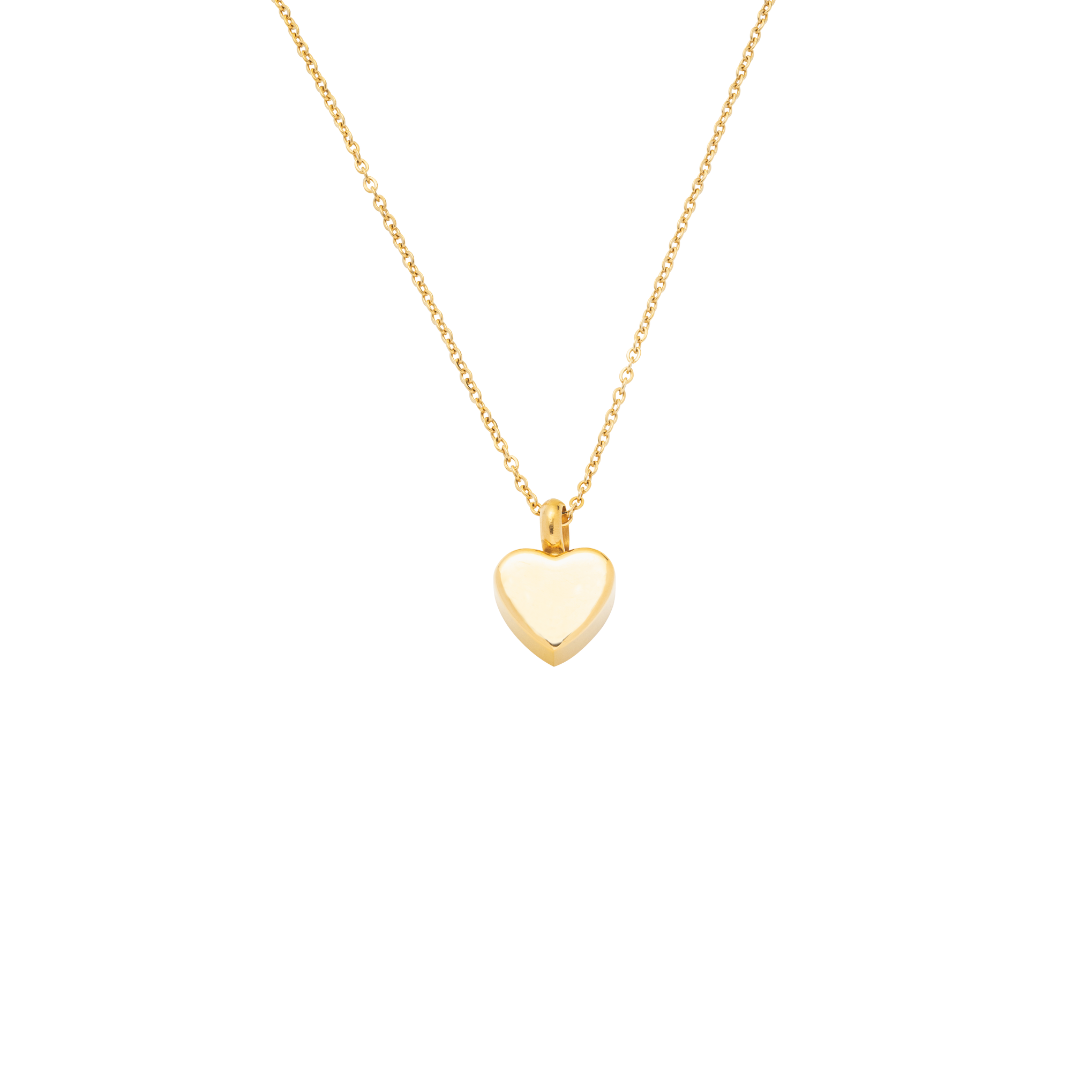 The Amore Cremation Necklace
- Regular price
-
From
$68 - Regular price
-
$95 - Sale price
-
From
$68
Quick view
-
The Tower Urn in Oak
 The Tower Urn in Oak
- Regular price
-
$75 - Regular price
-
$115 - Sale price
-
$75
Quick view

FAQs
What are the shipping options for my memorial gift?
Oaktree offers free nationwide shipping on all urns and cremation jewelry items, with delivery typically taking 2-5 business days, including processing time. Need it sooner? Expedited shipping (overnight or 2-day) is available at checkout for an additional cost, and we will also prioritize processing for faster delivery. If you need international shipping, please contact us first to confirm availability and rates.
How long will it take for my engraved item to arrive?
Engraved urns and cremation necklaces require an additional 1-3 business days for personalization before shipping. If you need faster delivery, please contact us—we’ll do our best to expedite processing and accommodate your timeline. Expedited shipping options are also available at checkout to ensure your memorial arrives as soon as possible.
What do I do if I never received my order?
If your order hasn’t arrived within 10 business days, please contact us so we can track your shipment and resolve any issues. We’ll ensure your memorial reaches you as soon as possible.
What do I do if I received a defective order?
If your order arrives damaged or defective, contact us right away. We take pride in our high-quality craftsmanship and will work quickly to replace or repair your item at no additional cost.
Can I return my urn or cremation necklace? What is your return policy?
Oaktree offers a 100-day return and exchange policy for non-engraved items. Due to personalization, engraved urns are final sale and cannot be returned. For full details on how to start a return or exchange, visit our Returns & Exchanges page.
How do I make changes to an urn I’ve already ordered?
If you need to modify an order, contact us as soon as possible. If your urn is already engraved, we may not be able to make changes, but we’ll do our best to accommodate your request before processing.
How are your urns made? Where do the materials come from?
Oaktree’s urns are handcrafted in the USA and Europe using sustainable, locally sourced materials. Our artisans ensure each piece is beautifully designed and built to honor your loved one’s memory with care.
How do I choose the right urn size?
Each product page includes detailed dimensions, weight capacity, and cubic inches to help you select the right urn. As a general guide, 1 cubic inch holds 1 pound of pre-cremation weight. If you need help choosing, feel free to contact us.
Some urns are marked as “sold out.” When will they be available?
Our handmade urns may take a few weeks to restock. If you’re interested in a specific style, contact us for an estimated restock date, and we’ll notify you when it’s available.
Does Oaktree place the ashes into my urn?
Yes, we offer an optional ash transfer service for an additional fee. If you’d like us to handle this process, please contact us when placing your order. You’ll need to mail the ashes to us, and we’ll carefully transfer them into your selected urn.
How do I transfer ashes into my urn?
Cremated remains typically arrive in a sealed plastic bag inside a plastic container. To transfer them, simply place the sealed bag inside your urn. If needed, use a funnel for precise placement. If you have any concerns, our team is happy to assist.
How do I order an engraved urn?
To personalize your urn, select “Yes” under “Would you like your item engraved?” on the product page. If you’d like a custom design beyond standard engraving, contact us and we’ll explore options to create a unique tribute.
Can my urn be shipped directly to a funeral home?
Yes! During checkout, you can enter the funeral home’s address for direct shipping.
Can I customize my urn beyond engraving?
Yes! In addition to engraving, we offer custom design services, including unique finishes, symbols, or artwork. If you’d like to personalize your urn beyond standard options, contact us to discuss customization possibilities.
What materials are Oaktree urns made from?
Our urns are crafted from premium materials such as wood, ceramic, marble, metal, and biodegradable materials. We focus on sustainable sourcing and high-quality craftsmanship to create lasting memorials.
Do you offer keepsake urns or mini urns?
Yes, we offer keepsake urns and mini urns, which are smaller versions designed for sharing ashes among family members or keeping a small portion as a personal tribute.
Can I pre-order an urn for future use?
Absolutely! Many customers choose to pre-order an urn in advance. This ensures availability and allows for customization without time constraints. Contact us to arrange a pre-order.
Do you offer pet urns?
Yes, we provide a range of pet memorial urns designed to honor beloved pets. These are available in different materials and sizes to suit dogs, cats, and other pets.
How do I clean and maintain my urn?
Urns require gentle care to maintain their beauty. Use a soft cloth and mild cleaner for metal or ceramic urns. Avoid direct sunlight and moisture to preserve wood urns. Contact us for specific care instructions based on your urn’s material.
Can I travel with an urn? Are they TSA-approved?
Most Oaktree urns are TSA-compliant, making them safe for air travel. Choose a non-metal urn to ensure easy screening. We recommend carrying the urn in your carry-on bag and bringing the cremation certificate from the funeral home.
How do I track my order?
Once your order ships, we’ll send you a tracking number via email. You can use this to monitor the shipment status. If you don’t receive tracking details, contact us for assistance.
How do I contact Oaktree if my question isn’t answered here?
We’re happy to assist! Visit our Contact Us page to reach us via email, chat, or phone. Our compassionate team is ready to help.