 Skip to content


The way we honor the dead reflects how we value the living, and in recent years there has been growing discomfort with the environmental cost of conventional cemeteries. Each year traditional burial in the United States places millions of gallons of embalming fluid, along with thousands of tons of concrete, steel and hardwood into the ground. These materials do not decompose quickly and the lawn‑style cemeteries that house them are often treated with pesticides and herbicides. Families seeking to minimize their footprint have turned toward green cemeteries and conservation burial, where the focus is on returning human remains to the earth with minimal environmental disturbance.
Green or natural burial eliminates many of the materials and practices that make conventional burials resource intensive. Embalming is avoided in favor of allowing natural decomposition, and remains are placed in biodegradable shrouds or simple pine caskets. Instead of being buried in concrete vaults at depths of eight feet, bodies are interred at roughly three to four feet so that they remain within the active soil layer. Returning soil layers in their natural order helps create a smell barrier that prevents animals from disturbing graves, and shallow depths promote aerobic decomposition that enables beneficial microbes and insects to break down tissues. Graves are dug by hand whenever possible and native plants are used for restoration rather than exotic lawns.
Conservation burial grounds go a step further by integrating ecological protection with natural burial. These cemeteries are permanently protected natural areas held under conservation easements. Non‑profit land trusts partner with cemetery operators and evaluate properties based on wildlife habitat, wetlands, scenic vistas and other conservation values. The goal is to ensure that the land will never be developed and that burial revenue can support habitat restoration or the acquisition of additional conservation acreage. In a conservation burial ground, there are no marble monuments or manicured lawns. People choose sites marked with GPS coordinates; natural rock markers or native plantings serve as tributes so that the landscape remains undisturbed.
By eliminating chemical embalming, concrete vaults and metal caskets, green cemeteries avoid introducing harmful substances into soil and groundwater. A state‑of‑the‑science review on the impact of green cemeteries reported that there is no evidence of groundwater contamination from natural burials; contamination in conventional cemeteries, when it occurs, stems from leachate from caskets or embalming fluids. Conventional cemeteries rely on pesticides and herbicides to maintain weed‑free lawns; green cemeteries use native vegetation and hand digging, avoiding these chemicals. As a result, wildlife habitat flourishes, soil biology remains intact and beneficial insects colonize the shallow graves. Even the load on the landscape is lighter because the density of graves is lower, leaving plenty of space for trees and natural vegetation.
There are social benefits to conservation burial as well. Visiting a loved one in a natural woodland or prairie allows mourners to experience healing in nature, which can be more comforting than a row of granite headstones. Because graves are not rigidly lined up, families often feel that burial grounds have a more personal, unique feel. Conservation cemeteries also serve as public preserves, offering hiking trails and bird‑watching opportunities. By purchasing a burial plot, families contribute to land preservation and may even help finance educational programs or the acquisition of adjacent land for conservation. In this way, death becomes an act of stewardship that benefits the larger community.
Conservation burial grounds follow specific practices to ensure environmental integrity. Bodies are interred at depths of three and a half to four feet, deeper than a typical backyard pet burial but shallower than conventional graves. This depth fosters aerobic decomposition and ensures that human remains are unlikely to be unearthed by animals or exposed to groundwater. Only biodegradable materials are permitted; no metal caskets or synthetic fabrics can be used. Families can choose to wrap their loved one in a cotton shroud or place them in a pine or wicker coffin. Instead of a headstone, a native tree or perennial plant may be used to mark the burial, contributing to ecological restoration. GPS coordinates are recorded so that descendants can locate the gravesite in the future without the need for intrusive markers.
Economics are another consideration. Green burial can be less expensive than conventional burial because it avoids the cost of embalming, vaults and elaborate caskets. Conservation cemeteries sometimes include a fee that supports land management, but because graves occupy more space and there is a premium for perpetual care, the cost can vary widely. In areas where green cemeteries are scarce the price may be comparable to a traditional burial. On the other hand, for families who want cremation but still value an environmental approach, many conservation cemeteries allow the placement of biodegradable urns, so ashes return to the soil without a vault.
Planning for a green burial involves early research because these cemeteries can be limited in number. Families should verify whether a cemetery adheres to the standards of the Green Burial Council or a similar certifying body. Many require that individuals pre‑purchase plots to support long‑term land management and discourage last‑minute decisions made under emotional stress. If a conservation burial ground is not available nearby, families can choose a conventional cemetery that allows green practices or advocate for change by asking funeral directors to offer eco‑friendly options. Another strategy is to contact land trusts in your region and inquire about ongoing efforts to establish new conservation cemeteries. Community involvement can accelerate the creation of natural burial preserves, turning grassroots demand into protected landscapes.
Ultimately, choosing a green cemetery or conservation burial ground reflects a broader shift toward sustainability and a desire to protect natural spaces. The practice honors the biological reality of human life by returning our bodies to the ecological cycles that support all living things. Instead of leaving behind a vault and stone, a person’s resting place becomes a meadow or forest that provides habitat for wildlife and solace for future visitors. When we view the end of life as an opportunity to give back to the Earth, we create memorials that will flourish for generations and contribute to the health of the planet.


Our Best Sellers
-
The Bleecker Urn in Walnut
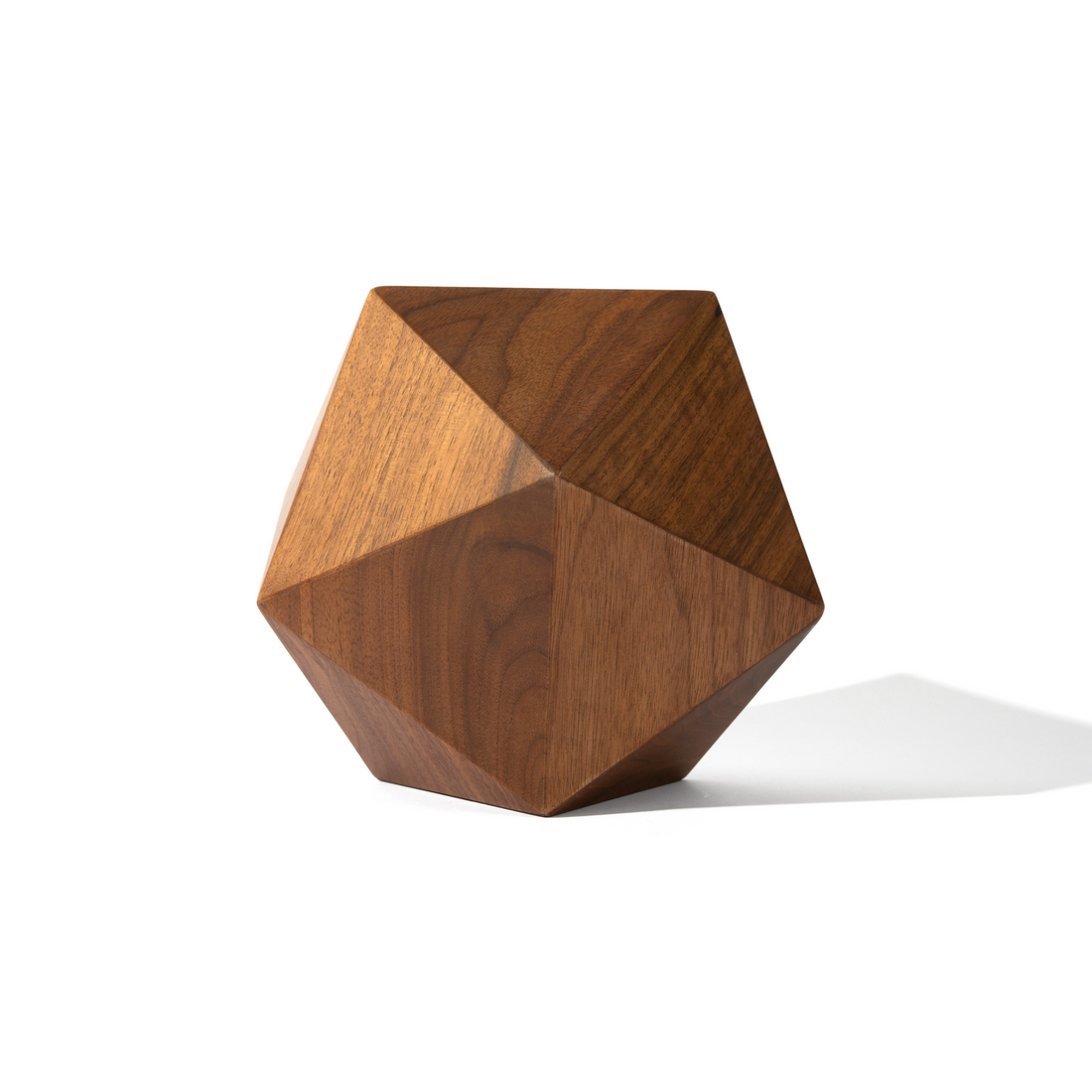 The Bleecker Urn in Walnut
- Regular price
-
From
$345 - Regular price
-
$445 - Sale price
-
From
$345
Quick view
-
The Bleecker Urn in Oak
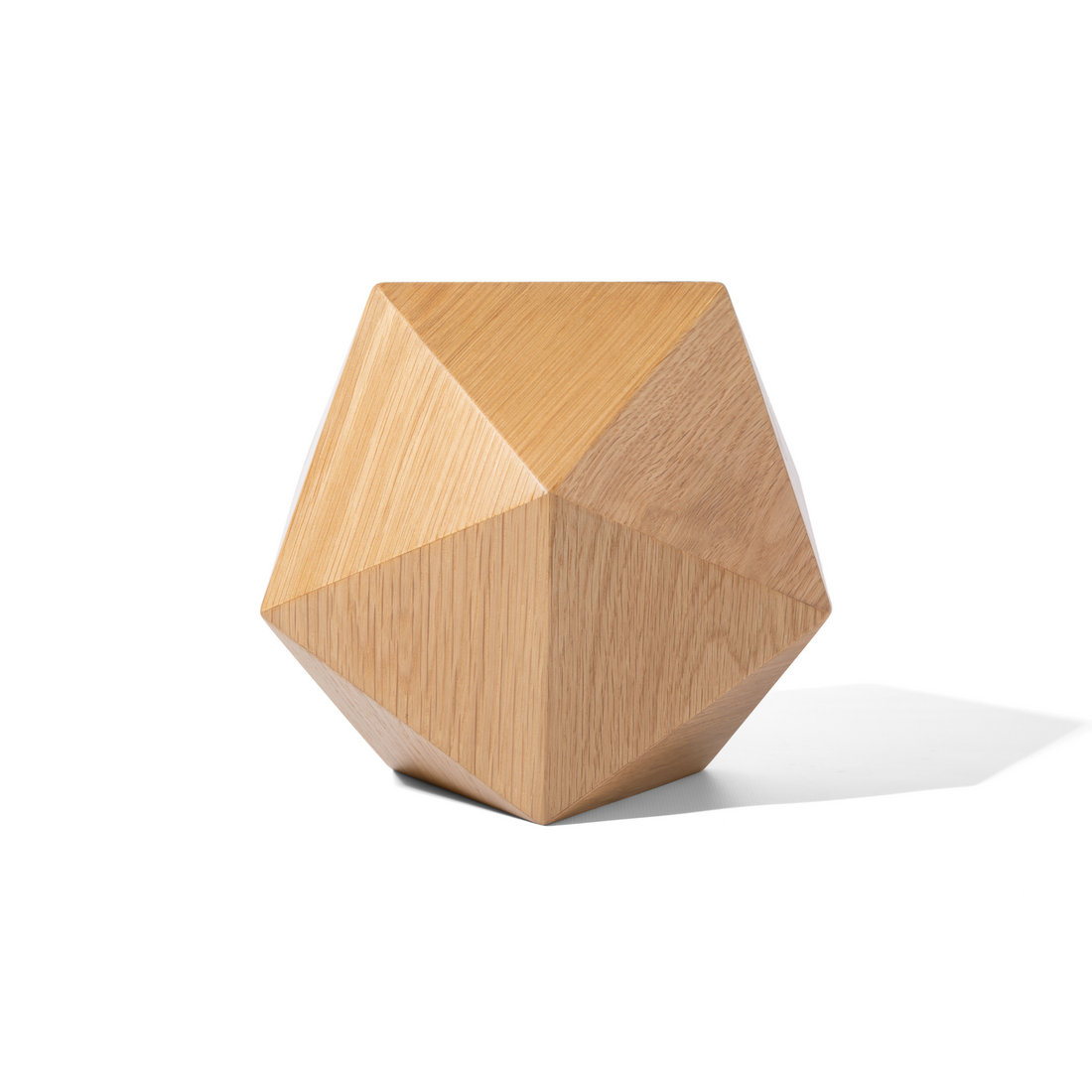 The Bleecker Urn in Oak
- Regular price
-
From
$395 - Regular price
-
$445 - Sale price
-
From
$395
Quick view
-
The Amore Cremation Necklace
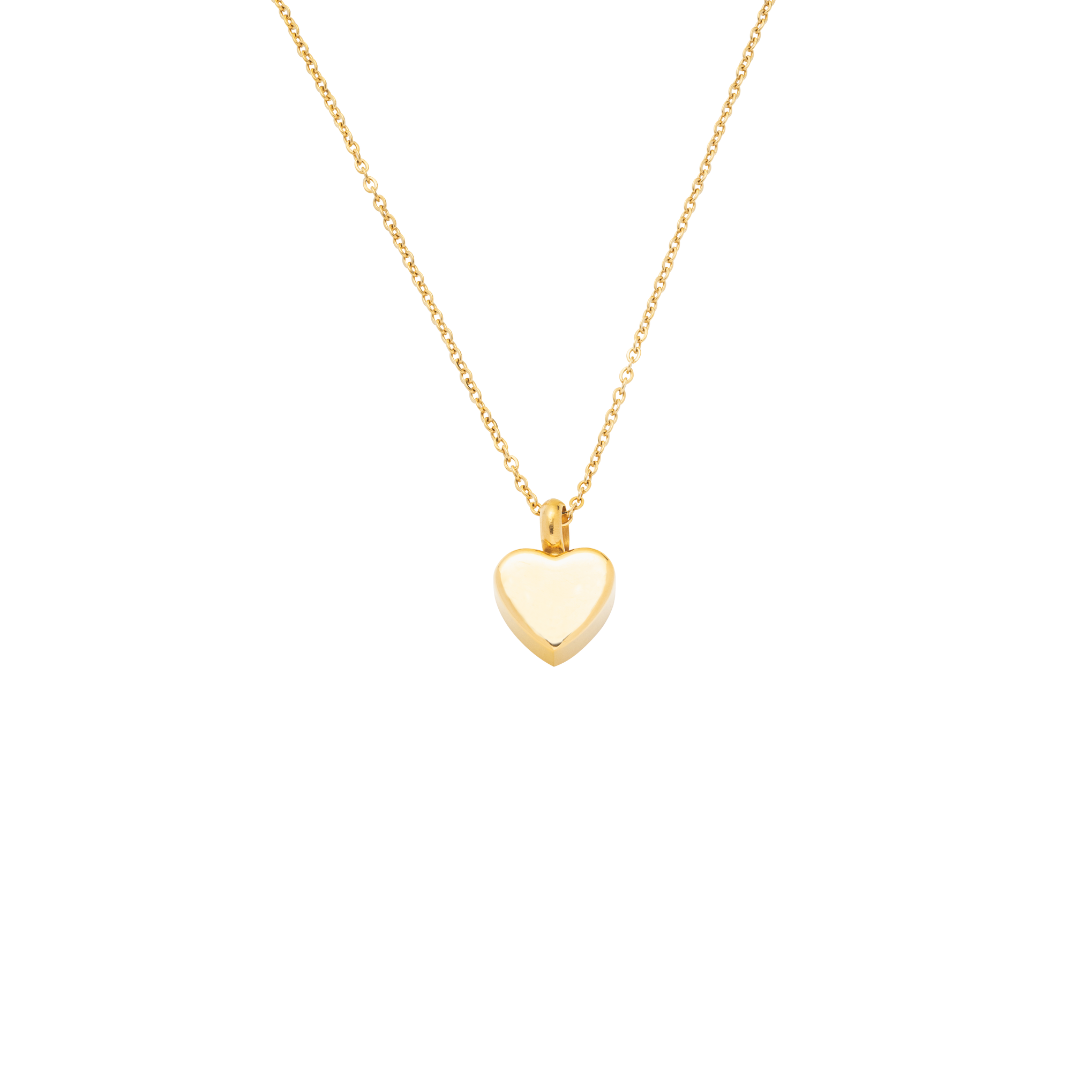 The Amore Cremation Necklace
- Regular price
-
From
$68 - Regular price
-
$95 - Sale price
-
From
$68
Quick view
-
The Tower Urn in Oak
 The Tower Urn in Oak
- Regular price
-
$75 - Regular price
-
$115 - Sale price
-
$75
Quick view

FAQs
What are the shipping options for my memorial gift?
Oaktree offers free nationwide shipping on all urns and cremation jewelry items, with delivery typically taking 2-5 business days, including processing time. Need it sooner? Expedited shipping (overnight or 2-day) is available at checkout for an additional cost, and we will also prioritize processing for faster delivery. If you need international shipping, please contact us first to confirm availability and rates.
How long will it take for my engraved item to arrive?
Engraved urns and cremation necklaces require an additional 1-3 business days for personalization before shipping. If you need faster delivery, please contact us—we’ll do our best to expedite processing and accommodate your timeline. Expedited shipping options are also available at checkout to ensure your memorial arrives as soon as possible.
What do I do if I never received my order?
If your order hasn’t arrived within 10 business days, please contact us so we can track your shipment and resolve any issues. We’ll ensure your memorial reaches you as soon as possible.
What do I do if I received a defective order?
If your order arrives damaged or defective, contact us right away. We take pride in our high-quality craftsmanship and will work quickly to replace or repair your item at no additional cost.
Can I return my urn or cremation necklace? What is your return policy?
Oaktree offers a 100-day return and exchange policy for non-engraved items. Due to personalization, engraved urns are final sale and cannot be returned. For full details on how to start a return or exchange, visit our Returns & Exchanges page.
How do I make changes to an urn I’ve already ordered?
If you need to modify an order, contact us as soon as possible. If your urn is already engraved, we may not be able to make changes, but we’ll do our best to accommodate your request before processing.
How are your urns made? Where do the materials come from?
Oaktree’s urns are handcrafted in the USA and Europe using sustainable, locally sourced materials. Our artisans ensure each piece is beautifully designed and built to honor your loved one’s memory with care.
How do I choose the right urn size?
Each product page includes detailed dimensions, weight capacity, and cubic inches to help you select the right urn. As a general guide, 1 cubic inch holds 1 pound of pre-cremation weight. If you need help choosing, feel free to contact us.
Some urns are marked as “sold out.” When will they be available?
Our handmade urns may take a few weeks to restock. If you’re interested in a specific style, contact us for an estimated restock date, and we’ll notify you when it’s available.
Does Oaktree place the ashes into my urn?
Yes, we offer an optional ash transfer service for an additional fee. If you’d like us to handle this process, please contact us when placing your order. You’ll need to mail the ashes to us, and we’ll carefully transfer them into your selected urn.
How do I transfer ashes into my urn?
Cremated remains typically arrive in a sealed plastic bag inside a plastic container. To transfer them, simply place the sealed bag inside your urn. If needed, use a funnel for precise placement. If you have any concerns, our team is happy to assist.
How do I order an engraved urn?
To personalize your urn, select “Yes” under “Would you like your item engraved?” on the product page. If you’d like a custom design beyond standard engraving, contact us and we’ll explore options to create a unique tribute.
Can my urn be shipped directly to a funeral home?
Yes! During checkout, you can enter the funeral home’s address for direct shipping.
Can I customize my urn beyond engraving?
Yes! In addition to engraving, we offer custom design services, including unique finishes, symbols, or artwork. If you’d like to personalize your urn beyond standard options, contact us to discuss customization possibilities.
What materials are Oaktree urns made from?
Our urns are crafted from premium materials such as wood, ceramic, marble, metal, and biodegradable materials. We focus on sustainable sourcing and high-quality craftsmanship to create lasting memorials.
Do you offer keepsake urns or mini urns?
Yes, we offer keepsake urns and mini urns, which are smaller versions designed for sharing ashes among family members or keeping a small portion as a personal tribute.
Can I pre-order an urn for future use?
Absolutely! Many customers choose to pre-order an urn in advance. This ensures availability and allows for customization without time constraints. Contact us to arrange a pre-order.
Do you offer pet urns?
Yes, we provide a range of pet memorial urns designed to honor beloved pets. These are available in different materials and sizes to suit dogs, cats, and other pets.
How do I clean and maintain my urn?
Urns require gentle care to maintain their beauty. Use a soft cloth and mild cleaner for metal or ceramic urns. Avoid direct sunlight and moisture to preserve wood urns. Contact us for specific care instructions based on your urn’s material.
Can I travel with an urn? Are they TSA-approved?
Most Oaktree urns are TSA-compliant, making them safe for air travel. Choose a non-metal urn to ensure easy screening. We recommend carrying the urn in your carry-on bag and bringing the cremation certificate from the funeral home.
How do I track my order?
Once your order ships, we’ll send you a tracking number via email. You can use this to monitor the shipment status. If you don’t receive tracking details, contact us for assistance.
How do I contact Oaktree if my question isn’t answered here?
We’re happy to assist! Visit our Contact Us page to reach us via email, chat, or phone. Our compassionate team is ready to help.