 Skip to content


Navigating the etiquette and expectations of a funeral or memorial service can be a delicate and challenging task, but it is an essential part of honoring the life of the deceased and supporting the grieving family
Attending a funeral or memorial service can be a delicate and emotionally charged experience. It's a time to honor the life of a loved one, offer support to the grieving family, and reflect on our own mortality. However, navigating the social customs and expectations surrounding these events can be challenging, especially if you've never been in this situation before.
This comprehensive funeral etiquette guide is designed to help you approach a funeral service with the utmost respect and sensitivity. By understanding the appropriate behaviors, dress, and communication, you can ensure that your presence is a comfort to the bereaved and a meaningful contribution to the ceremony.
Introduction to Funeral Etiquette
Funerals and memorial services are sacred rituals that allow us to collectively grieve, celebrate a life, and provide comfort to the family and friends of the deceased. Proper etiquette is essential to creating an atmosphere of reverence and support during this difficult time.
The purpose of this guide is to equip you with the knowledge and tools to navigate a funeral service with grace and consideration. Whether you are a close loved one, a distant relative, or a colleague, understanding and adhering to funeral etiquette will demonstrate your respect for the deceased and your empathy for the grieving.
Importance of Respectful Behavior
Attending a funeral is not about you or your personal needs - it's about honoring the life of the person who has passed and supporting their loved ones. Your behavior should reflect the solemnity of the occasion and your desire to provide comfort, not distraction.
Disrespectful or inappropriate actions, even if unintentional, can be deeply hurtful to the grieving family. By familiarizing yourself with funeral etiquette, you can ensure that your presence is a source of solace rather than additional stress during this challenging time.
Preparing for the Funeral Service
Before the funeral or memorial service, there are several important steps you can take to prepare both practically and emotionally.
Appropriate Attire
Dress conservatively and respectfully for a funeral. Avoid bright colors, bold patterns, or anything that could be considered ostentatious. Stick to muted tones like black, navy, gray, or dark brown. Women may wear a dress, skirt, or pantsuit, while men should opt for a suit and tie or at minimum, dress pants and a button-down shirt.
The goal is to blend in and avoid drawing unnecessary attention to yourself. Remember that this is not the time to make a fashion statement - your appearance should be subdued and somber.
Emotional Preparation
Attending a funeral can be an intensely emotional experience, even if you are not closely related to the deceased. Take time to process your own feelings of grief, loss, or discomfort before the service.
Consider reaching out to a close friend or family member who can provide support and a listening ear. Engage in calming activities like meditation, deep breathing, or journaling to center yourself. This will help you approach the funeral with a clear mind and open heart, ready to offer comfort to others.
Arrival and Timing
Aim to arrive at the funeral or memorial service at least 15-30 minutes before the scheduled start time. This allows you to be seated and settled before the processional begins. Rushing in at the last minute can be disruptive and draw unwanted attention.
If you are unfamiliar with the venue, give yourself extra time to find parking and navigate the space. Being punctual demonstrates your respect for the occasion and the grieving family.
Conduct During the Service
Once the funeral or memorial service has commenced, it's crucial to maintain an appropriate demeanor and avoid any behaviors that could be seen as disruptive or disrespectful.
Seating and Positioning
Follow the lead of the funeral director or ushers when it comes to seating. Family members and close friends of the deceased are typically seated in the front rows, while other attendees occupy the rows behind them.
If you are not sure where to sit, err on the side of discretion and choose a seat further back. Avoid positioning yourself in a way that could block the view of others or draw unnecessary attention.
Silent Communication
During the service, refrain from engaging in any unnecessary conversation or whispering. The funeral is a time for quiet reflection, prayer, or listening to the eulogies and readings.
If you need to communicate with someone, do so discreetly and in a hushed tone. Avoid disrupting the solemnity of the moment with loud or distracting behavior.
Digital Device Etiquette
It's best to keep your mobile phone or other electronic devices turned off or on silent mode during the funeral service. Avoid checking your phone, taking calls, or using it to take photos or videos - this can be seen as disrespectful and intrusive.
If you must have your phone on for emergency purposes, be sure to keep it on silent and refrain from using it unless absolutely necessary. Step outside the service if you need to take a call or send a message.
Expressing Condolences
One of the most meaningful ways to support the grieving family is by offering your sincere condolences. However, it's important to approach this gesture with sensitivity and care.
What to Say
When expressing your condolences, keep your words simple and heartfelt. Some appropriate phrases include:
- "I'm so sorry for your loss."
- "My thoughts and prayers are with you and your family."
- "Please accept my deepest sympathies."
- "I will miss [name of the deceased] very much."
Avoid making the conversation about yourself or offering unsolicited advice. Instead, focus on acknowledging the family's pain and letting them know you are there to support them.
What to Avoid Saying
Certain phrases and comments, even if well-intentioned, can come across as insensitive or hurtful during a time of grief. Steer clear of statements like:
- "I know how you feel." (You can't truly know someone else's grief.)
- "They're in a better place now." (This can minimize the family's loss.)
- "Everything happens for a reason." (This can come across as dismissive.)
- "At least they lived a long life." (The length of life doesn't diminish the pain of losing a loved one.)
Non-verbal Support
In addition to your words, your body language and physical presence can provide immense comfort to the grieving family. Consider offering a gentle hug, a warm handshake, or a compassionate touch on the arm. Make eye contact and give the family your full attention when expressing your condolences.
These non-verbal gestures convey your sincerity and your willingness to share in their sorrow. However, be mindful of the family's comfort level and don't impose physical contact if it's not welcomed.
Cultural and Religious Considerations
Funerals and memorial services can vary greatly in their customs and traditions, depending on the cultural and religious background of the deceased and their family. It's important to be mindful of these differences and approach the service with sensitivity and respect.
Different Funeral Traditions
Some cultures and religions have specific rituals, dress codes, or etiquette that should be observed during a funeral. For example, in some Asian traditions, it's customary for mourners to bring white flowers or wear white clothing. In Jewish funerals, attendees may be asked to cover their heads or avoid wearing leather shoes.
If you are unfamiliar with the particular customs of the deceased's background, don't hesitate to ask the funeral director or a member of the family for guidance. Adapting your behavior to align with their traditions will demonstrate your respect and consideration.
Respectful Participation
Even if the funeral service includes unfamiliar religious or cultural elements, try to participate in a way that honors the family's beliefs and practices. This may involve standing, sitting, or kneeling at certain times, or refraining from certain actions that could be seen as disrespectful.
Follow the lead of those around you and be mindful of your body language and demeanor. Your willingness to adapt and engage respectfully, even if the customs are new to you, will be greatly appreciated by the grieving family.
Sensitivity to Diverse Practices
Funerals and memorials can be deeply personal and meaningful, reflecting the unique beliefs and values of the deceased and their loved ones. Avoid making assumptions or judgments about the family's choices, even if they differ from your own cultural or religious traditions.
Approach the service with an open mind and a spirit of compassion. Your role as an attendee is to support the family, not to impose your own preferences or opinions. By demonstrating sensitivity and adaptability, you can ensure that your presence is a source of comfort rather than disruption.
After the Service
The support and care you provide to the grieving family doesn't end when the funeral or memorial service concludes. There are several ways you can continue to offer your condolences and assistance in the days and weeks that follow.
Offering Support to the Grieving Family
After the service, take the time to personally express your condolences to the immediate family members of the deceased. Offer to help with practical matters, such as arranging meals, running errands, or assisting with funeral arrangements.
Be mindful that the family may need space and time to grieve, so don't be offended if they decline your offers of help. Simply let them know you are available if they need anything, and follow up periodically to check in on their well-being.
Follow-up Gestures
In the weeks and months after the funeral, consider sending a card, making a phone call, or arranging a visit to continue supporting the grieving family. Small gestures like these can provide immense comfort and let the family know they are not alone in their sorrow.
You could also make a donation to a charity or organization that was meaningful to the deceased, or plant a tree or flower in their memory. These thoughtful actions can help the family feel that their loved one's legacy is being honored.
Memorialization Options
If the family has established a memorial fund or online tribute page for the deceased, consider contributing to it as a way to support their grieving process and celebrate the life of their loved one.
You may also want to attend any future memorial events or celebrations of life that the family organizes. Your continued presence and participation can be a source of solace and community for those who are grieving.
Common Mistakes to Avoid
Even with the best intentions, it's possible to inadvertently commit faux pas or make missteps during a funeral or memorial service. Being aware of these potential pitfalls can help you navigate the experience with greater sensitivity and care.
Inappropriate Behaviors
Avoid any behaviors that could be seen as disruptive, disrespectful, or drawing unnecessary attention to yourself. This includes:
- Arriving late or leaving early without a valid reason
- Engaging in loud conversations or laughter
- Using your mobile phone excessively
- Dressing in overly casual or attention-seeking attire
- Consuming alcohol to the point of intoxication
- Expressing strong political or religious views
Remember that this is a time to honor the deceased and support the grieving family, not to draw focus to your own needs or preferences.
Social Media Considerations
It's generally best to refrain from posting about the funeral or memorial service on social media. Sharing photos, videos, or commentary without the explicit consent of the family can be seen as an invasion of privacy and disrespectful to the grieving process.
If you do choose to post, do so with the utmost sensitivity and discretion. Avoid making the post about yourself, and focus instead on sharing fond memories of the deceased or expressing your condolences to the family.
Emotional Boundaries
Attending a funeral can be an emotionally charged experience, especially if you are grieving the loss of the deceased yourself. However, it's important to be mindful of your own emotional state and avoid burdening the family with your personal grief.
If you find yourself becoming overwhelmed or unable to control your emotions, step away from the service and seek support from a trusted friend or family member. The grieving family has enough to contend with without having to provide comfort to you as well.
Conclusion
Navigating the etiquette and expectations of a funeral or memorial service can be a delicate and challenging task, but it is an essential part of honoring the life of the deceased and supporting the grieving family.
By approaching the experience with reverence, sensitivity, and a genuine desire to provide comfort, you can ensure that your presence is a source of solace rather than additional stress. Remember that the focus should always be on the family and their needs, not your own.
Adhering to the principles of funeral etiquette - from appropriate attire and behavior to expressing condolences and respecting cultural traditions - will demonstrate your respect for the occasion and your compassion for those who are grieving. In doing so, you can play a meaningful role in the healing process and create lasting memories of a life well-lived.


Our Best Sellers
-
The Bleecker Urn in Walnut
 The Bleecker Urn in Walnut
- Regular price
-
From
$345 - Regular price
-
$445 - Sale price
-
From
$345
Quick view
-
The Bleecker Urn in Oak
 The Bleecker Urn in Oak
- Regular price
-
From
$395 - Regular price
-
$445 - Sale price
-
From
$395
Quick view
-
The Amore Cremation Necklace
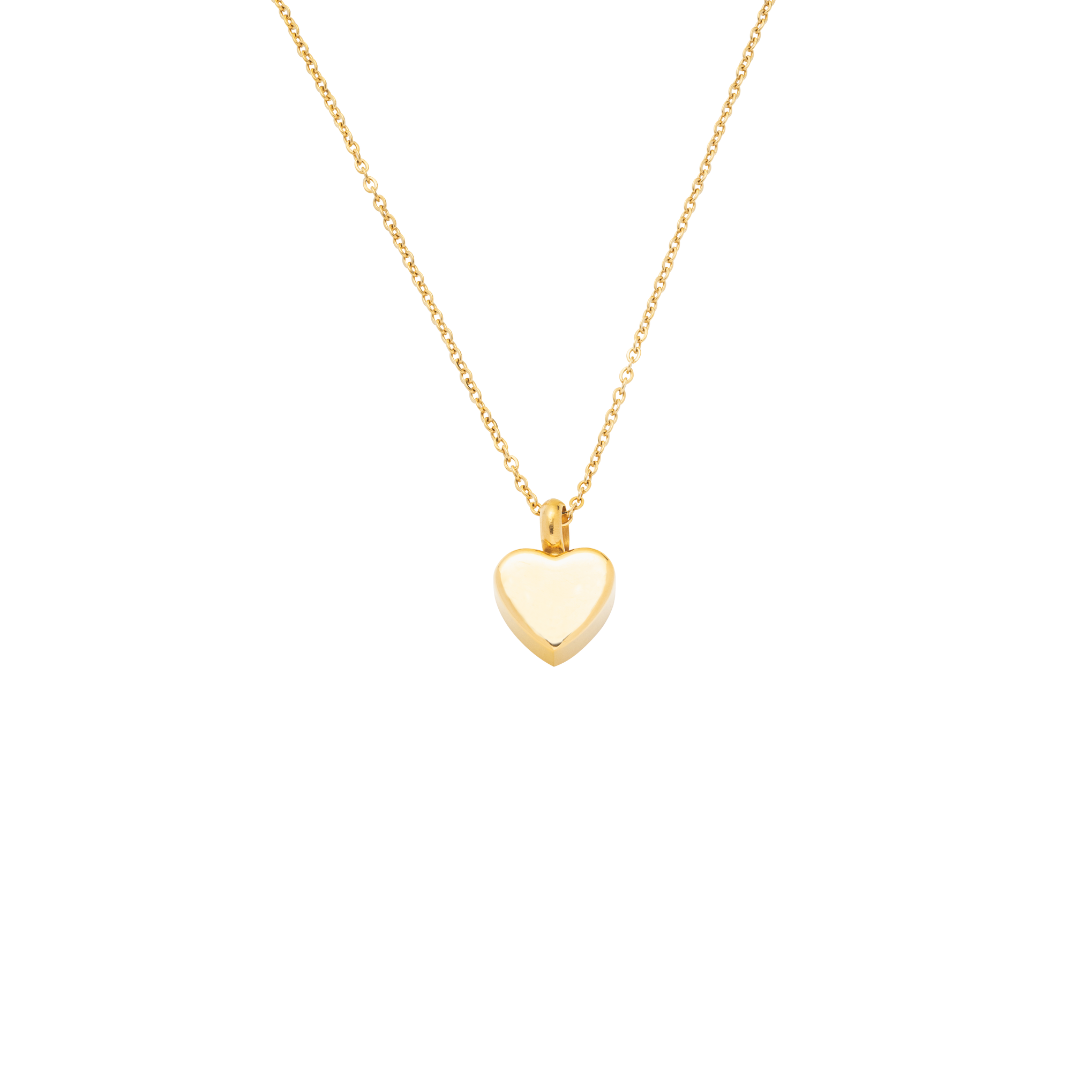 The Amore Cremation Necklace
- Regular price
-
From
$68 - Regular price
-
$95 - Sale price
-
From
$68
Quick view
-
The Tower Urn in Oak
 The Tower Urn in Oak
- Regular price
-
$75 - Regular price
-
$115 - Sale price
-
$75
Quick view

FAQs
What are the shipping options for my memorial gift?
Oaktree offers free nationwide shipping on all urns and cremation jewelry items, with delivery typically taking 2-5 business days, including processing time. Need it sooner? Expedited shipping (overnight or 2-day) is available at checkout for an additional cost, and we will also prioritize processing for faster delivery. If you need international shipping, please contact us first to confirm availability and rates.
How long will it take for my engraved item to arrive?
Engraved urns and cremation necklaces require an additional 1-3 business days for personalization before shipping. If you need faster delivery, please contact us—we’ll do our best to expedite processing and accommodate your timeline. Expedited shipping options are also available at checkout to ensure your memorial arrives as soon as possible.
What do I do if I never received my order?
If your order hasn’t arrived within 10 business days, please contact us so we can track your shipment and resolve any issues. We’ll ensure your memorial reaches you as soon as possible.
What do I do if I received a defective order?
If your order arrives damaged or defective, contact us right away. We take pride in our high-quality craftsmanship and will work quickly to replace or repair your item at no additional cost.
Can I return my urn or cremation necklace? What is your return policy?
Oaktree offers a 100-day return and exchange policy for non-engraved items. Due to personalization, engraved urns are final sale and cannot be returned. For full details on how to start a return or exchange, visit our Returns & Exchanges page.
How do I make changes to an urn I’ve already ordered?
If you need to modify an order, contact us as soon as possible. If your urn is already engraved, we may not be able to make changes, but we’ll do our best to accommodate your request before processing.
How are your urns made? Where do the materials come from?
Oaktree’s urns are handcrafted in the USA and Europe using sustainable, locally sourced materials. Our artisans ensure each piece is beautifully designed and built to honor your loved one’s memory with care.
How do I choose the right urn size?
Each product page includes detailed dimensions, weight capacity, and cubic inches to help you select the right urn. As a general guide, 1 cubic inch holds 1 pound of pre-cremation weight. If you need help choosing, feel free to contact us.
Some urns are marked as “sold out.” When will they be available?
Our handmade urns may take a few weeks to restock. If you’re interested in a specific style, contact us for an estimated restock date, and we’ll notify you when it’s available.
Does Oaktree place the ashes into my urn?
Yes, we offer an optional ash transfer service for an additional fee. If you’d like us to handle this process, please contact us when placing your order. You’ll need to mail the ashes to us, and we’ll carefully transfer them into your selected urn.
How do I transfer ashes into my urn?
Cremated remains typically arrive in a sealed plastic bag inside a plastic container. To transfer them, simply place the sealed bag inside your urn. If needed, use a funnel for precise placement. If you have any concerns, our team is happy to assist.
How do I order an engraved urn?
To personalize your urn, select “Yes” under “Would you like your item engraved?” on the product page. If you’d like a custom design beyond standard engraving, contact us and we’ll explore options to create a unique tribute.
Can my urn be shipped directly to a funeral home?
Yes! During checkout, you can enter the funeral home’s address for direct shipping.
Can I customize my urn beyond engraving?
Yes! In addition to engraving, we offer custom design services, including unique finishes, symbols, or artwork. If you’d like to personalize your urn beyond standard options, contact us to discuss customization possibilities.
What materials are Oaktree urns made from?
Our urns are crafted from premium materials such as wood, ceramic, marble, metal, and biodegradable materials. We focus on sustainable sourcing and high-quality craftsmanship to create lasting memorials.
Do you offer keepsake urns or mini urns?
Yes, we offer keepsake urns and mini urns, which are smaller versions designed for sharing ashes among family members or keeping a small portion as a personal tribute.
Can I pre-order an urn for future use?
Absolutely! Many customers choose to pre-order an urn in advance. This ensures availability and allows for customization without time constraints. Contact us to arrange a pre-order.
Do you offer pet urns?
Yes, we provide a range of pet memorial urns designed to honor beloved pets. These are available in different materials and sizes to suit dogs, cats, and other pets.
How do I clean and maintain my urn?
Urns require gentle care to maintain their beauty. Use a soft cloth and mild cleaner for metal or ceramic urns. Avoid direct sunlight and moisture to preserve wood urns. Contact us for specific care instructions based on your urn’s material.
Can I travel with an urn? Are they TSA-approved?
Most Oaktree urns are TSA-compliant, making them safe for air travel. Choose a non-metal urn to ensure easy screening. We recommend carrying the urn in your carry-on bag and bringing the cremation certificate from the funeral home.
How do I track my order?
Once your order ships, we’ll send you a tracking number via email. You can use this to monitor the shipment status. If you don’t receive tracking details, contact us for assistance.
How do I contact Oaktree if my question isn’t answered here?
We’re happy to assist! Visit our Contact Us page to reach us via email, chat, or phone. Our compassionate team is ready to help.