Skip to content


Winter as a Season of Remembrance
Across cultures, winter has long been associated with reflection. As days grow shorter and the natural world slows, many traditions turn inward—toward memory, ancestry, and honoring those who came before us. While customs differ widely around the world, the intention remains remarkably similar: to remember, to connect, and to keep love present through ritual.
For those navigating grief, learning about winter memorial traditions from other cultures can offer comfort. It reminds us that remembrance is a universal human need, expressed in countless ways yet grounded in shared emotion. Whether through light, silence, storytelling, or sacred objects, winter becomes a season where memory is held with care.
Light as a Symbol of Continuity
In many cultures, light plays a central role in winter remembrance. Candles, lanterns, and fires symbolize guidance, warmth, and the enduring presence of loved ones. During darker months, light becomes both practical and deeply symbolic—a reminder that memory continues even when life feels quiet or uncertain.
Lighting a candle in honor of someone lost is a practice that transcends borders. Memorial candle holders allow this tradition to be carried into the home in a gentle, intentional way. The steady glow creates space for reflection, prayer, or silent remembrance, offering comfort without demanding words.
For many families, lighting a candle becomes a repeated ritual throughout winter—on anniversaries, holidays, or evenings when memories feel especially close.
Honoring Ancestors Through Objects and Offerings
Across Asia, Latin America, and parts of Europe, winter remembrance often involves honoring ancestors through objects placed in the home. These may include photographs, personal belongings, written names, or symbolic items representing the loved one’s life.
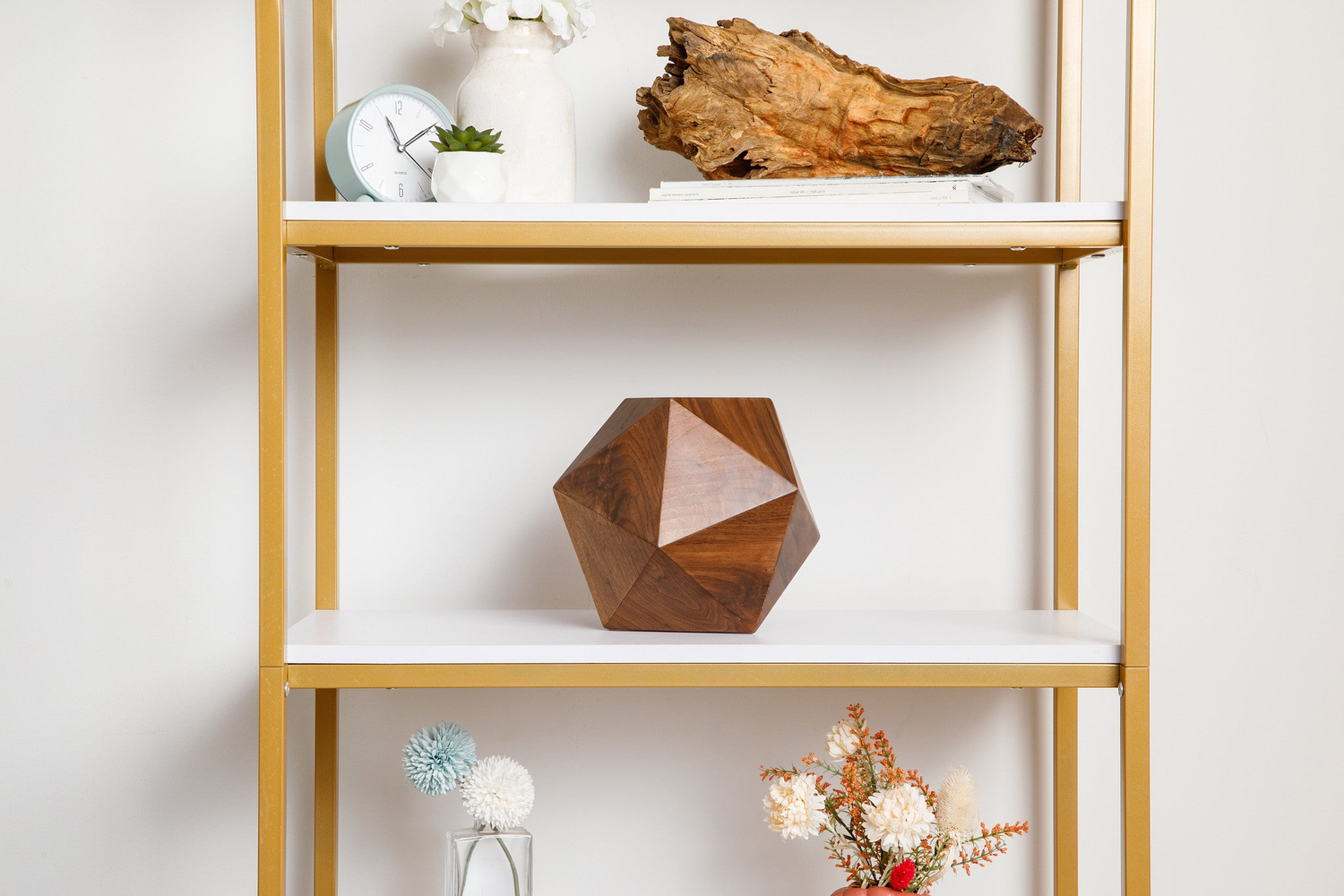
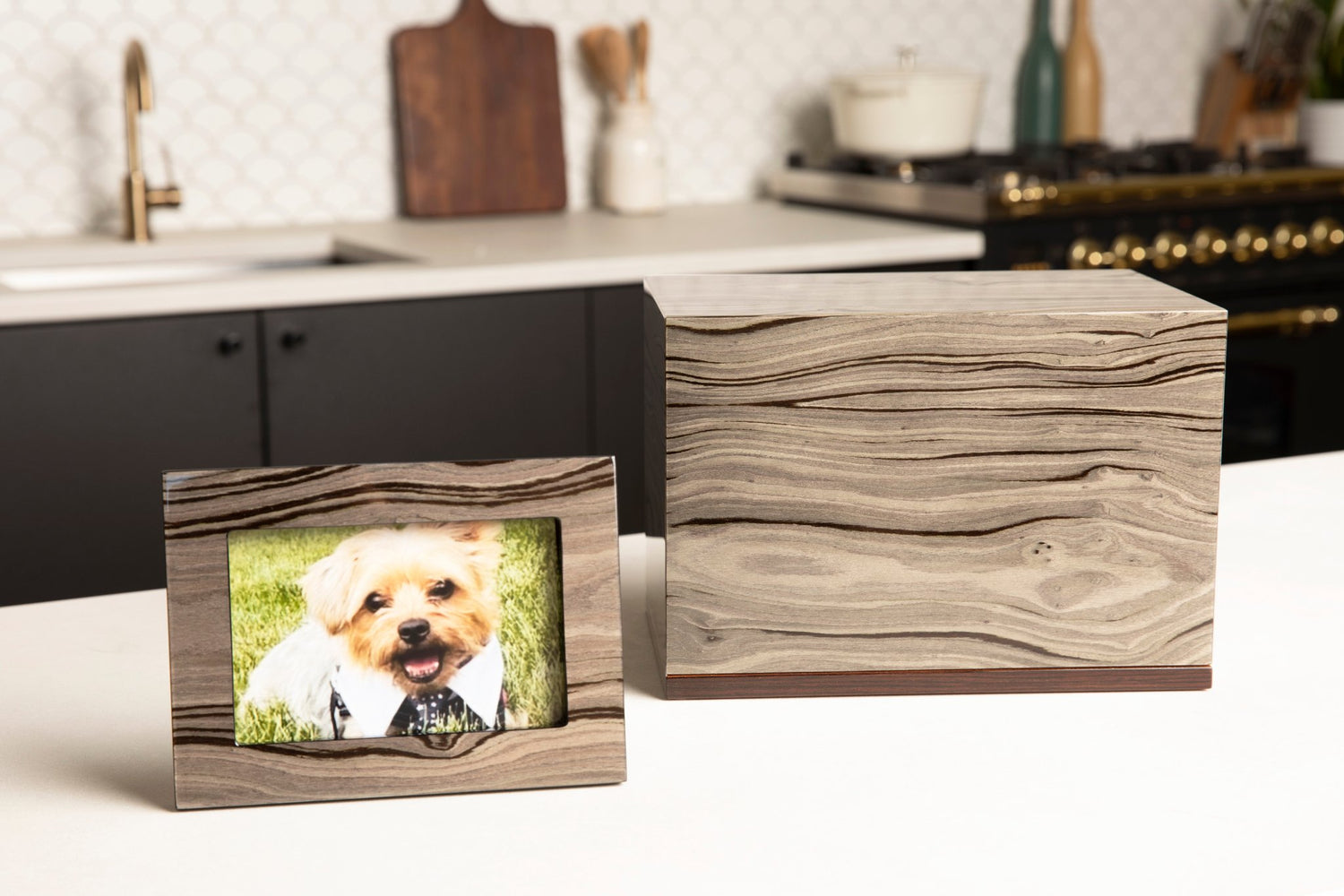
This practice echoes the modern use of memorial keepsakes. Keepsake urns, in particular, allow families to maintain a tangible connection while respecting personal space and tradition. Their smaller size makes them suitable for intimate remembrance areas, where memory feels present but not overwhelming.
Placing a keepsake urn near photos or meaningful objects creates a quiet altar of sorts—one that reflects both tradition and personal expression.
Storytelling as a Living Memorial
In many cultures, winter gatherings center around storytelling. Elders share memories of those who have passed, passing stories down through generations. These narratives keep loved ones alive in collective memory, ensuring that their influence extends beyond a single lifetime.
For families today, memory boards often serve a similar purpose. By displaying photographs, notes, and mementos, they invite stories to surface naturally. Visitors pause, ask questions, and share memories that might otherwise remain unspoken.
When paired with a memorial object—such as an urn placed nearby—these memory spaces become living memorials, encouraging remembrance that feels active rather than static.
Winter Rituals of Stillness and Silence
Not all cultures remember through gathering. In some traditions, winter remembrance is quiet and inward. Silence, meditation, and personal reflection are seen as forms of respect—ways to honor loss without performance.
For individuals drawn to this approach, private remembrance spaces are especially meaningful. A simple arrangement—a candle, a small urn, a piece of cremation jewelry resting nearby—creates a sense of closeness without ceremony.
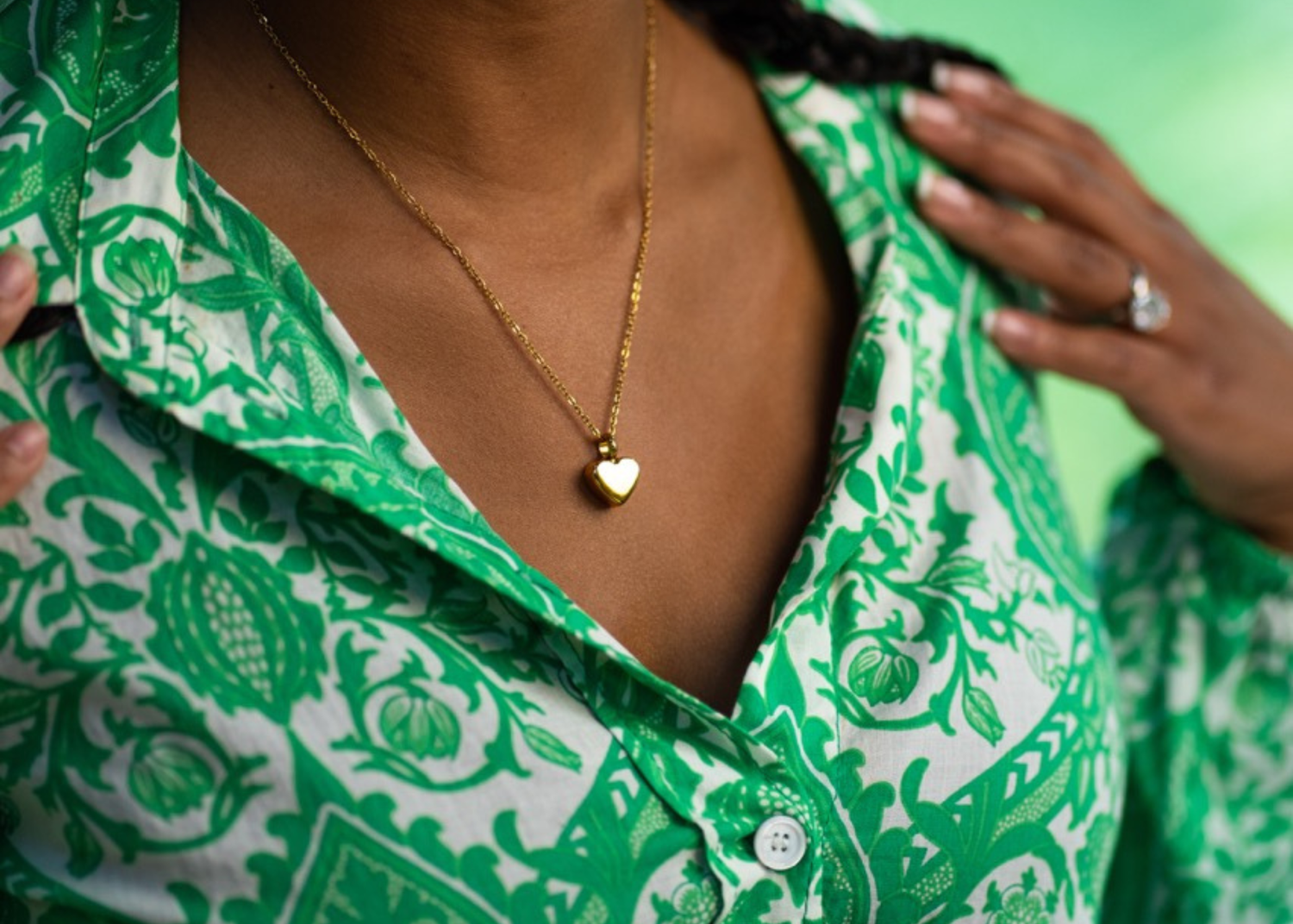
Cremation jewelry, in particular, resonates across cultures because it reflects a universal desire: to carry memory close. Worn daily or during moments of reflection, these pieces allow remembrance to move with the individual, adapting to personal rhythms and beliefs.
Seasonal Offerings and Acts of Care
In colder months, many cultures express remembrance through acts of care—preparing food, tending gravesites, or making offerings that reflect love and respect. These actions affirm that memory is not passive; it is something practiced.
Modern memorial practices often echo this sentiment. Caring for a remembrance space, cleaning an urn, or refreshing a candle becomes an act of devotion. These small gestures reinforce connection and provide moments of grounding during emotionally complex seasons.
Shared Humanity Across Traditions
What becomes clear when exploring cross-cultural winter memorial traditions is how much they share at their core. Regardless of geography or belief, people seek ways to honor those they love, especially during times when absence feels more pronounced.
Objects play an important role in this process—not because they replace the person, but because they hold meaning. Urns preserve presence. Keepsakes invite closeness. Jewelry carries memory. Candlelight offers comfort. Together, these elements form bridges between past and present, absence and love.
Blending Traditions in Personal Ways
Many families today draw from multiple cultural influences, blending traditions in ways that feel authentic. A candle lighting inspired by one heritage may coexist with a memory board shaped by another. What matters is not strict adherence, but intention.
Memorial items adapt beautifully to this flexibility. Their simplicity allows them to fit into diverse cultural contexts without imposing a specific narrative. They become vessels for meaning, shaped by the family rather than defined by tradition.
Winter as a Time to Remember Gently
Winter does not ask us to resolve grief. It invites us to sit with it—to acknowledge memory without urgency. Across cultures, winter remembrance honors this pace, offering rituals that feel steady rather than rushed.
By creating spaces that incorporate meaningful memorial objects, families can honor loved ones in ways that feel both timeless and personal. These practices remind us that remembrance is not bound by season or culture—it is a shared human expression of love.
As winter unfolds, may remembrance feel gentle. May memory feel supported. And may the traditions you choose—whether inherited or newly created—bring quiet comfort and connection.