 Skip to content


A grief-informed workplace is not just a benefit—it’s a necessity in 2025 and beyond.
Grief doesn’t follow a 9-to-5 schedule. For employees navigating the death of a loved one, a pet, or even a significant life change like miscarriage or divorce, returning to work can be emotionally overwhelming. Unfortunately, many corporate grief policies still focus narrowly on a few days of bereavement leave and overlook the broader impact of loss on mental health, productivity, and team dynamics.
Human Resources professionals have the opportunity—and responsibility—to build grief-informed workplaces. Whether you’re updating your company’s handbook, supporting a grieving team member, or rethinking company culture, this guide offers key considerations and strategies to help HR leaders craft compassionate, effective grief policies.
Why Corporate Grief Policies Matter
Grief is universal—every employee will face it at some point in their life. Yet studies show many workplaces aren’t equipped to handle the emotional, logistical, or relational fallout. A 2021 survey by the National Council for Palliative Care found that:
-
Nearly 60% of workers said their employer didn’t offer adequate support after a bereavement
-
1 in 5 employees considered leaving their job due to a lack of compassion or understanding
-
Those grieving were significantly more likely to report drops in productivity, morale, and engagement
Thoughtful grief policies signal to employees that their well-being matters beyond performance. This not only reduces turnover and burnout—it fosters a more loyal, inclusive, and resilient company culture.
What Should a Corporate Grief Policy Include?
A strong grief policy should address multiple layers: leave, flexibility, communication, and long-term support. Here are the key components:
1. Bereavement Leave
This is often the first—and sometimes only—support employees receive after a loss. Consider the following:
-
Offer at least 5–10 days of paid bereavement leave for immediate family loss
-
Include expanded leave options for chosen family, close friends, or pet loss
-
Provide unpaid or flexible leave extensions if needed
-
Don’t require proof of death or justification for emotional impact
Example: “All full-time employees are eligible for up to 10 days of paid bereavement leave following the death of a family member, partner, or close relation.”
2. Flexible Work Options
Grief affects focus, energy, and decision-making. Support return-to-work transitions with:
-
Optional remote work for a transition period
-
Adjusted workloads or deadlines
-
Temporary role reassignments or lighter responsibilities
Flexibility helps grieving employees reintegrate without pressure or guilt.
3. Manager and Peer Communication
Often, colleagues want to help—but don’t know how. Provide managers with:
-
Guidance on what to say (and what not to)
-
Tips for respecting privacy while offering support
-
Templates for company-wide announcements if appropriate
Training sessions or downloadable grief response guides can be helpful tools. Consider including resources from organizations like The Dougy Center or What’s Your Grief.
4. Extended Grief and Mental Health Support
Grief doesn’t end when leave does. Ongoing options may include:
-
Access to grief counselors or EAP (Employee Assistance Programs)
-
Optional group therapy or support circles
-
Company-subsidized sessions with licensed therapists
-
Links to digital mental health apps or virtual grief support events
Encourage usage of these resources through internal communications, not just during onboarding.
5. Memorial Recognition
Depending on company size and culture, some organizations may want to formally honor employees who have passed or recognize an employee’s loss. Examples include:
-
Sending sympathy gifts or cards on behalf of the company
-
Donating to a cause the deceased supported
-
Allowing a memorial space or digital tribute wall
These small gestures have a big impact on workplace empathy and inclusion.
Who Defines “Grief” in the Workplace?
Traditional grief policies have focused solely on the death of close family members. But loss takes many forms. More inclusive policies may address:
-
Loss of a pet
-
Pregnancy loss or miscarriage
-
Divorce or separation
-
Terminal illness diagnoses
-
Acts of violence or natural disaster in a loved one’s community
Rather than listing every type of loss, consider language like: “Bereavement leave may be extended for any loss that substantially impacts an employee’s mental or emotional health.”
This gives managers flexibility while protecting the dignity and autonomy of grieving workers.
Supporting Grieving Employees: Best Practices for HR Leaders
Beyond policies, your company’s daily practices shape how employees feel supported. Here are actionable steps to create a grief-informed culture:
1. Avoid One-Size-Fits-All Support
Each person grieves differently. Some may want to dive into work as distraction; others need space. Some want to talk, others remain private. Let the employee set the tone.
2. Schedule Check-Ins
Don’t let support fade after week one. Schedule informal 30- or 60-day check-ins with the employee to ask how they’re doing, what they need, or if accommodations should continue.
3. Empower Team Leads
Give department heads the autonomy to adjust expectations for grieving team members. Trust their judgment in redistributing tasks or resetting priorities.
4. Create a Return-to-Work Plan
Before the employee returns, develop a plan that includes:
-
Their preferred communication style
-
Any short-term role modifications
-
A gradual reintegration timeline if needed
-
A designated contact person for support
This shows forethought and care—two critical signals of trust.
5. Respect Privacy
Grief is personal. Avoid broadcasting news without consent. If the team should be informed, collaborate with the grieving employee on language and timing.
Examples of Grief-Informed Companies
Some companies are leading the way in crafting thoughtful, comprehensive grief policies:
-
Facebook offers up to 20 days of paid bereavement leave for immediate family.
-
Pinterest publicly advocates for mental health policies that include grief counseling and flexible leave.
-
Salesforce promotes open mental health conversations and supports employees with loss-related resources.
Smaller businesses may not have the same infrastructure but can offer empathy, adaptability, and access to external support that makes just as much impact.
How to Update or Draft a Policy
If your organization’s grief support is outdated or nonexistent, here’s how to begin:
-
Review what currently exists. What is offered today, and how does it compare to industry standards?
-
Survey employees. Ask how they feel about current mental health and loss-related support.
-
Benchmark against others. Use public HR policy resources to find templates and examples.
-
Draft with compassion. Use clear, inclusive language. Think about tone—not just rules.
-
Seek input. Invite feedback from managers, employees, and mental health professionals.
-
Roll it out with care. Announce updates company-wide with supportive framing.
Final Thoughts
A grief-informed workplace is not just a benefit—it’s a necessity in 2025 and beyond. As work and life become increasingly intertwined, companies that offer compassion, flexibility, and proactive support will stand out as true leaders.
HR departments have a chance to do more than follow compliance checklists—they can shape culture. By creating policies and practices that honor the full emotional range of human experience, businesses don’t just support individuals in grief. They foster loyalty, resilience, and deep trust across their teams.
For guidance on memorial keepsakes, sympathy gifts, and remembrance tools to support employees and families, visit Oaktree Memorials. Let us help you make every gesture of remembrance meaningful.


Our Best Sellers
-
The Bleecker Urn in Walnut
 The Bleecker Urn in Walnut
- Regular price
-
From
$345 - Regular price
-
$445 - Sale price
-
From
$345
Quick view
-
The Bleecker Urn in Oak
 The Bleecker Urn in Oak
- Regular price
-
From
$395 - Regular price
-
$445 - Sale price
-
From
$395
Quick view
-
The Amore Cremation Necklace
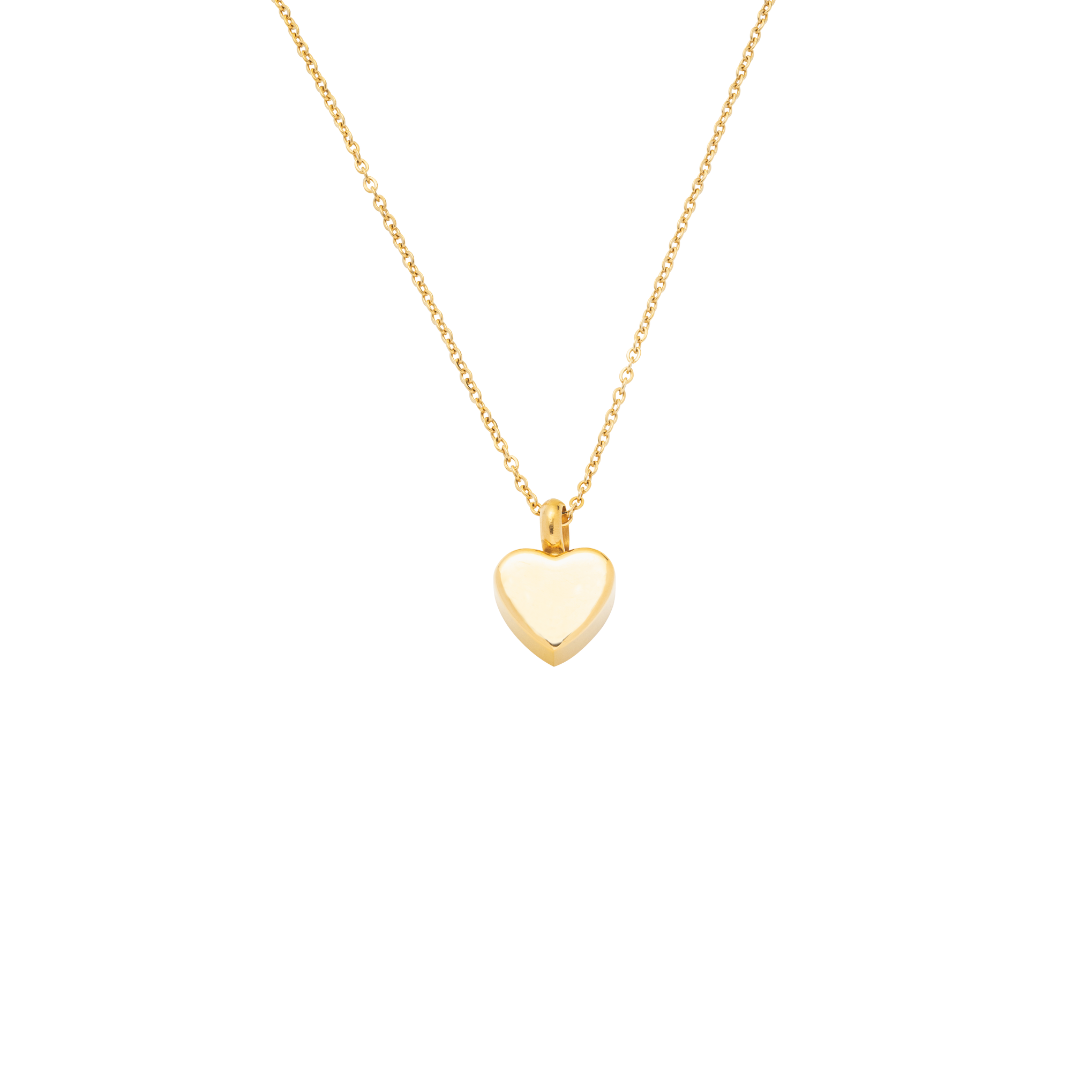 The Amore Cremation Necklace
- Regular price
-
From
$68 - Regular price
-
$95 - Sale price
-
From
$68
Quick view
-
The Tower Urn in Oak
 The Tower Urn in Oak
- Regular price
-
$75 - Regular price
-
$115 - Sale price
-
$75
Quick view

FAQs
What are the shipping options for my memorial gift?
Oaktree offers free nationwide shipping on all urns and cremation jewelry items, with delivery typically taking 2-5 business days, including processing time. Need it sooner? Expedited shipping (overnight or 2-day) is available at checkout for an additional cost, and we will also prioritize processing for faster delivery. If you need international shipping, please contact us first to confirm availability and rates.
How long will it take for my engraved item to arrive?
Engraved urns and cremation necklaces require an additional 1-3 business days for personalization before shipping. If you need faster delivery, please contact us—we’ll do our best to expedite processing and accommodate your timeline. Expedited shipping options are also available at checkout to ensure your memorial arrives as soon as possible.
What do I do if I never received my order?
If your order hasn’t arrived within 10 business days, please contact us so we can track your shipment and resolve any issues. We’ll ensure your memorial reaches you as soon as possible.
What do I do if I received a defective order?
If your order arrives damaged or defective, contact us right away. We take pride in our high-quality craftsmanship and will work quickly to replace or repair your item at no additional cost.
Can I return my urn or cremation necklace? What is your return policy?
Oaktree offers a 100-day return and exchange policy for non-engraved items. Due to personalization, engraved urns are final sale and cannot be returned. For full details on how to start a return or exchange, visit our Returns & Exchanges page.
How do I make changes to an urn I’ve already ordered?
If you need to modify an order, contact us as soon as possible. If your urn is already engraved, we may not be able to make changes, but we’ll do our best to accommodate your request before processing.
How are your urns made? Where do the materials come from?
Oaktree’s urns are handcrafted in the USA and Europe using sustainable, locally sourced materials. Our artisans ensure each piece is beautifully designed and built to honor your loved one’s memory with care.
How do I choose the right urn size?
Each product page includes detailed dimensions, weight capacity, and cubic inches to help you select the right urn. As a general guide, 1 cubic inch holds 1 pound of pre-cremation weight. If you need help choosing, feel free to contact us.
Some urns are marked as “sold out.” When will they be available?
Our handmade urns may take a few weeks to restock. If you’re interested in a specific style, contact us for an estimated restock date, and we’ll notify you when it’s available.
Does Oaktree place the ashes into my urn?
Yes, we offer an optional ash transfer service for an additional fee. If you’d like us to handle this process, please contact us when placing your order. You’ll need to mail the ashes to us, and we’ll carefully transfer them into your selected urn.
How do I transfer ashes into my urn?
Cremated remains typically arrive in a sealed plastic bag inside a plastic container. To transfer them, simply place the sealed bag inside your urn. If needed, use a funnel for precise placement. If you have any concerns, our team is happy to assist.
How do I order an engraved urn?
To personalize your urn, select “Yes” under “Would you like your item engraved?” on the product page. If you’d like a custom design beyond standard engraving, contact us and we’ll explore options to create a unique tribute.
Can my urn be shipped directly to a funeral home?
Yes! During checkout, you can enter the funeral home’s address for direct shipping.
Can I customize my urn beyond engraving?
Yes! In addition to engraving, we offer custom design services, including unique finishes, symbols, or artwork. If you’d like to personalize your urn beyond standard options, contact us to discuss customization possibilities.
What materials are Oaktree urns made from?
Our urns are crafted from premium materials such as wood, ceramic, marble, metal, and biodegradable materials. We focus on sustainable sourcing and high-quality craftsmanship to create lasting memorials.
Do you offer keepsake urns or mini urns?
Yes, we offer keepsake urns and mini urns, which are smaller versions designed for sharing ashes among family members or keeping a small portion as a personal tribute.
Can I pre-order an urn for future use?
Absolutely! Many customers choose to pre-order an urn in advance. This ensures availability and allows for customization without time constraints. Contact us to arrange a pre-order.
Do you offer pet urns?
Yes, we provide a range of pet memorial urns designed to honor beloved pets. These are available in different materials and sizes to suit dogs, cats, and other pets.
How do I clean and maintain my urn?
Urns require gentle care to maintain their beauty. Use a soft cloth and mild cleaner for metal or ceramic urns. Avoid direct sunlight and moisture to preserve wood urns. Contact us for specific care instructions based on your urn’s material.
Can I travel with an urn? Are they TSA-approved?
Most Oaktree urns are TSA-compliant, making them safe for air travel. Choose a non-metal urn to ensure easy screening. We recommend carrying the urn in your carry-on bag and bringing the cremation certificate from the funeral home.
How do I track my order?
Once your order ships, we’ll send you a tracking number via email. You can use this to monitor the shipment status. If you don’t receive tracking details, contact us for assistance.
How do I contact Oaktree if my question isn’t answered here?
We’re happy to assist! Visit our Contact Us page to reach us via email, chat, or phone. Our compassionate team is ready to help.