Coping with Disenfranchised Grief: Recognizing Unacknowledged Losses
|
|
Time to read: 4 min
 Skip to content

|
|
Time to read: 4 min
What Is Disenfranchised Grief?
Disenfranchised grief refers to sorrow that isn't socially recognized or validated. It's the pain of a loss that others might overlook, dismiss, or even invalidate. This type of grief can be just as intense as more “accepted” forms, but without the support or acknowledgment that typically surrounds loss, it becomes even harder to process.
Examples of disenfranchised grief include:
The loss of a pet
Miscarriage or pregnancy loss
Death of an ex‑partner
Estranged family member passing
Deaths related to addiction, suicide, or stigmatized illness
Losses in non‑traditional relationships (e.g., chosen family, caregivers, or close friends)
Without a funeral, formal sympathy, or shared cultural rituals, grievers can feel invisible in their mourning.
Why It Hurts So Deeply
Grief is a natural response to attachment, not a social popularity contest. When grief goes unacknowledged, it can become internalized, leading to:
Complicated or prolonged mourning
Depression or anxiety
Shame about feeling "too sad"
Isolation from friends or family
Guilt for grieving someone others think you shouldn't
The lack of validation doesn’t lessen the love you had. It simply makes the grieving process more confusing and lonely.
Common Types of Disenfranchised Grief
Understanding the breadth of disenfranchised grief helps normalize the experience. Some common examples include:
Pet loss: The death of a beloved animal companion can be deeply affecting, yet some may see it as “less serious.” Our guide to Pet Loss Support for Kids shows just how meaningful these losses are.
Miscarriage and stillbirth: Pregnancy loss is profoundly personal, and often grieved in silence. See Memorial Rituals for Miscarriage and Pregnancy Loss for supportive ideas.
Losing someone to suicide or overdose: Stigma can prevent open conversations, leading to hidden grief.
Death of someone estranged: Even if the relationship was strained, the loss can trigger complex emotions.
Non‑traditional relationships: The death of a roommate, co‑parent, mentor, or former partner may not be recognized by others but is still deeply felt.
Signs You May Be Experiencing Disenfranchised Grief
Feeling like you can’t talk about your loss
Guilt about the depth of your sadness
Anger that others don’t acknowledge your pain
Feeling left out of memorial events or rituals
Experiencing physical symptoms like fatigue or tension
Recognizing these signs can help you validate your own experience and begin to seek the support you deserve.
Ways to Validate and Honor Your Own Loss
Even if others don’t offer space for your grief, you can still create your own rituals and remembrance practices.
1. Create a Personal Memorial
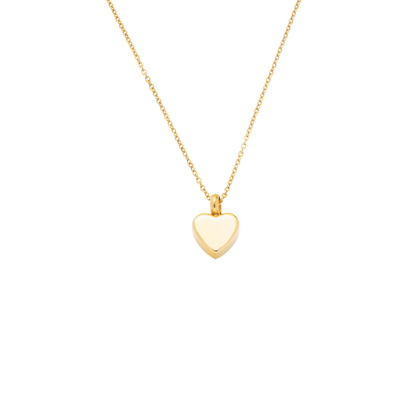
Build a home shrine, photo display, or small memory corner. Include photos, objects, candles, or written notes. Our article on Urn Display Ideas for Home Memorial Corners offers design inspiration. Choose a keepsake urn or cremation jewelry piece that quietly honors your bond.
2. Journal or Create a Memory Jar
Write letters to the person or reflect on your emotions. A memory jar allows you to collect thoughts, quotes, and small mementos over time. It becomes a ritual of presence.
3. Share with a Trusted Listener
You don’t need a crowd—just one safe person. Share your story with someone who won’t minimize your grief. If friends or family can’t offer that space, consider support groups or grief counselors.
4. Participate in Online Communities
Digital spaces offer validation. Search for grief forums, Reddit threads, or social media groups dedicated to your specific kind of loss. These communities can remind you that your grief is valid and shared.
5. Start a Private Ritual
Light a candle each week. Play their favorite music. Prepare their favorite meal. Grief is not performative—it’s a process. Rituals help us continue bonds in ways that feel real to us.
How to Support Someone Facing Disenfranchised Grief
If you know someone mourning a loss that others may overlook:
Don’t judge the relationship—just listen
Avoid clichés like “It wasn’t meant to be” or “It’s not the same as…”
Ask open‑ended questions: “What do you miss most?”
Validate their emotions without rushing to fix them
Offer tangible support—meals, check‑ins, memorial help
Sometimes, just being a witness is the most powerful gift you can give.
When to Seek Professional Help
Disenfranchised grief can become complicated if it’s prolonged or affects daily life. A grief counselor can help you process guilt, shame, or stuck emotions. Therapy isn’t about “moving on”—it’s about finding a new way to carry your grief.
If you’re a funeral professional, consider offering information about disenfranchised grief on your website or in aftercare materials. You can also refer clients to therapists and community groups that specialize in lesser‑acknowledged types of loss.
Why Funeral Homes Should Acknowledge These Losses
Funeral directors and planners can play a pivotal role in validating grief. Offer customized products and services that support all types of relationships and loss experiences:
Mini urns for pets, miscarriages, or shared ashes
Digital condolence books for remote support
Memory boxes for those without formal funerals
Neutral, non‑religious designs for estranged or diverse families
Supporting disenfranchised grief isn’t just compassionate—it’s forward‑thinking and inclusive.
Final Thoughts
Your grief is real—even if no one else sees it. Whether you're mourning the quiet companionship of a pet, the loss of a pregnancy, the end of a deep but unacknowledged relationship, or the passing of someone you hadn’t spoken to in years, your emotions are valid. Disenfranchised grief often goes unnoticed by society, but that doesn’t make it any less worthy of care or acknowledgment. In fact, it often reveals just how deeply you loved or hoped or connected—even without formal labels or shared understanding.
You don’t need permission to grieve. You don’t need a funeral invitation or an obituary listing to begin your mourning process. What you need is space. Space to reflect, to feel, and to honor the relationship in a way that resonates with you.
That might mean creating a small memorial altar at home, writing letters you never got to send, planting something in memory, or simply lighting a candle on anniversaries. These quiet acts carry immense power. They don’t just preserve memory—they offer healing.
At Oaktree Memorials, we understand that not all grief fits into a public mold. That’s why we offer a range of modern keepsakes, urns, and remembrance tools designed for every kind of love and loss. Whether you’re honoring a soul others never knew or a bond too personal to explain, your grief matters.
Visit our blog and collections for ideas, inspiration, and tangible ways to support your unique journey through loss. You are not alone.



What are the shipping options for my memorial gift?
Oaktree offers free nationwide shipping on all urns and cremation jewelry items, with delivery typically taking 2-5 business days, including processing time. Need it sooner? Expedited shipping (overnight or 2-day) is available at checkout for an additional cost, and we will also prioritize processing for faster delivery. If you need international shipping, please contact us first to confirm availability and rates.
How long will it take for my engraved item to arrive?
Engraved urns and cremation necklaces require an additional 1-3 business days for personalization before shipping. If you need faster delivery, please contact us—we’ll do our best to expedite processing and accommodate your timeline. Expedited shipping options are also available at checkout to ensure your memorial arrives as soon as possible.
What do I do if I never received my order?
If your order hasn’t arrived within 10 business days, please contact us so we can track your shipment and resolve any issues. We’ll ensure your memorial reaches you as soon as possible.
What do I do if I received a defective order?
If your order arrives damaged or defective, contact us right away. We take pride in our high-quality craftsmanship and will work quickly to replace or repair your item at no additional cost.
Can I return my urn or cremation necklace? What is your return policy?
Oaktree offers a 100-day return and exchange policy for non-engraved items. Due to personalization, engraved urns are final sale and cannot be returned. For full details on how to start a return or exchange, visit our Returns & Exchanges page.
How do I make changes to an urn I’ve already ordered?
If you need to modify an order, contact us as soon as possible. If your urn is already engraved, we may not be able to make changes, but we’ll do our best to accommodate your request before processing.
How are your urns made? Where do the materials come from?
Oaktree’s urns are handcrafted in the USA and Europe using sustainable, locally sourced materials. Our artisans ensure each piece is beautifully designed and built to honor your loved one’s memory with care.
How do I choose the right urn size?
Each product page includes detailed dimensions, weight capacity, and cubic inches to help you select the right urn. As a general guide, 1 cubic inch holds 1 pound of pre-cremation weight. If you need help choosing, feel free to contact us.
Some urns are marked as “sold out.” When will they be available?
Our handmade urns may take a few weeks to restock. If you’re interested in a specific style, contact us for an estimated restock date, and we’ll notify you when it’s available.
Does Oaktree place the ashes into my urn?
Yes, we offer an optional ash transfer service for an additional fee. If you’d like us to handle this process, please contact us when placing your order. You’ll need to mail the ashes to us, and we’ll carefully transfer them into your selected urn.
How do I transfer ashes into my urn?
Cremated remains typically arrive in a sealed plastic bag inside a plastic container. To transfer them, simply place the sealed bag inside your urn. If needed, use a funnel for precise placement. If you have any concerns, our team is happy to assist.
How do I order an engraved urn?
To personalize your urn, select “Yes” under “Would you like your item engraved?” on the product page. If you’d like a custom design beyond standard engraving, contact us and we’ll explore options to create a unique tribute.
Can my urn be shipped directly to a funeral home?
Yes! During checkout, you can enter the funeral home’s address for direct shipping.
Can I customize my urn beyond engraving?
Yes! In addition to engraving, we offer custom design services, including unique finishes, symbols, or artwork. If you’d like to personalize your urn beyond standard options, contact us to discuss customization possibilities.
What materials are Oaktree urns made from?
Our urns are crafted from premium materials such as wood, ceramic, marble, metal, and biodegradable materials. We focus on sustainable sourcing and high-quality craftsmanship to create lasting memorials.
Do you offer keepsake urns or mini urns?
Yes, we offer keepsake urns and mini urns, which are smaller versions designed for sharing ashes among family members or keeping a small portion as a personal tribute.
Can I pre-order an urn for future use?
Absolutely! Many customers choose to pre-order an urn in advance. This ensures availability and allows for customization without time constraints. Contact us to arrange a pre-order.
Do you offer pet urns?
Yes, we provide a range of pet memorial urns designed to honor beloved pets. These are available in different materials and sizes to suit dogs, cats, and other pets.
How do I clean and maintain my urn?
Urns require gentle care to maintain their beauty. Use a soft cloth and mild cleaner for metal or ceramic urns. Avoid direct sunlight and moisture to preserve wood urns. Contact us for specific care instructions based on your urn’s material.
Can I travel with an urn? Are they TSA-approved?
Most Oaktree urns are TSA-compliant, making them safe for air travel. Choose a non-metal urn to ensure easy screening. We recommend carrying the urn in your carry-on bag and bringing the cremation certificate from the funeral home.
How do I track my order?
Once your order ships, we’ll send you a tracking number via email. You can use this to monitor the shipment status. If you don’t receive tracking details, contact us for assistance.
How do I contact Oaktree if my question isn’t answered here?
We’re happy to assist! Visit our Contact Us page to reach us via email, chat, or phone. Our compassionate team is ready to help.