Skip to content


As one year gently closes and another begins, reflection often comes naturally. We find ourselves revisiting moments that mattered—shared laughter, quiet routines, meaningful conversations. When someone we love is no longer physically present, this reflection can feel especially tender. Memories rise to the surface in unexpected ways, reminding us that love does not disappear; it changes form.
A year-in-review memory board offers a thoughtful way to gather those memories into one place. It is not about creating something perfect or polished. Instead, it is about honoring a life as it was lived—through moments big and small, ordinary and extraordinary. For many families, the process of creating a memory board becomes a calming ritual, offering space to remember, feel, and reconnect.
What a Year-in-Review Memory Board Holds
A memory board is more than a collection of items. It is a visual narrative—one that reflects a loved one’s presence across time. Photographs, handwritten notes, ticket stubs, pressed flowers, favorite quotes, or meaningful dates all carry emotional weight. Each piece tells part of a story, and together they form something deeply personal.
Unlike traditional albums that focus on milestones, memory boards leave room for everyday life. A coffee receipt from weekly outings. A handwritten grocery list. A holiday card signed in familiar handwriting. These details often hold the most comfort because they reflect real moments of connection.
Choosing What to Include—Without Pressure
Many people worry about choosing the “right” memories. In truth, there is no right or wrong. Some memory boards focus on joyful events, while others include quieter, more reflective moments. What matters is how each item makes you feel.
Some families organize memories by season, allowing recollections to unfold naturally. Winter might bring memories of shared meals or long conversations indoors. Spring may reflect renewal or togetherness. Summer often holds warmth and laughter, while autumn invites reflection. Letting memories surface at their own pace often leads to the most meaningful result.
Creating a Space for Remembrance
Once assembled, a memory board often becomes part of a dedicated remembrance space within the home. Placing it somewhere visible—but peaceful—allows memory to exist alongside daily life without overwhelming it.
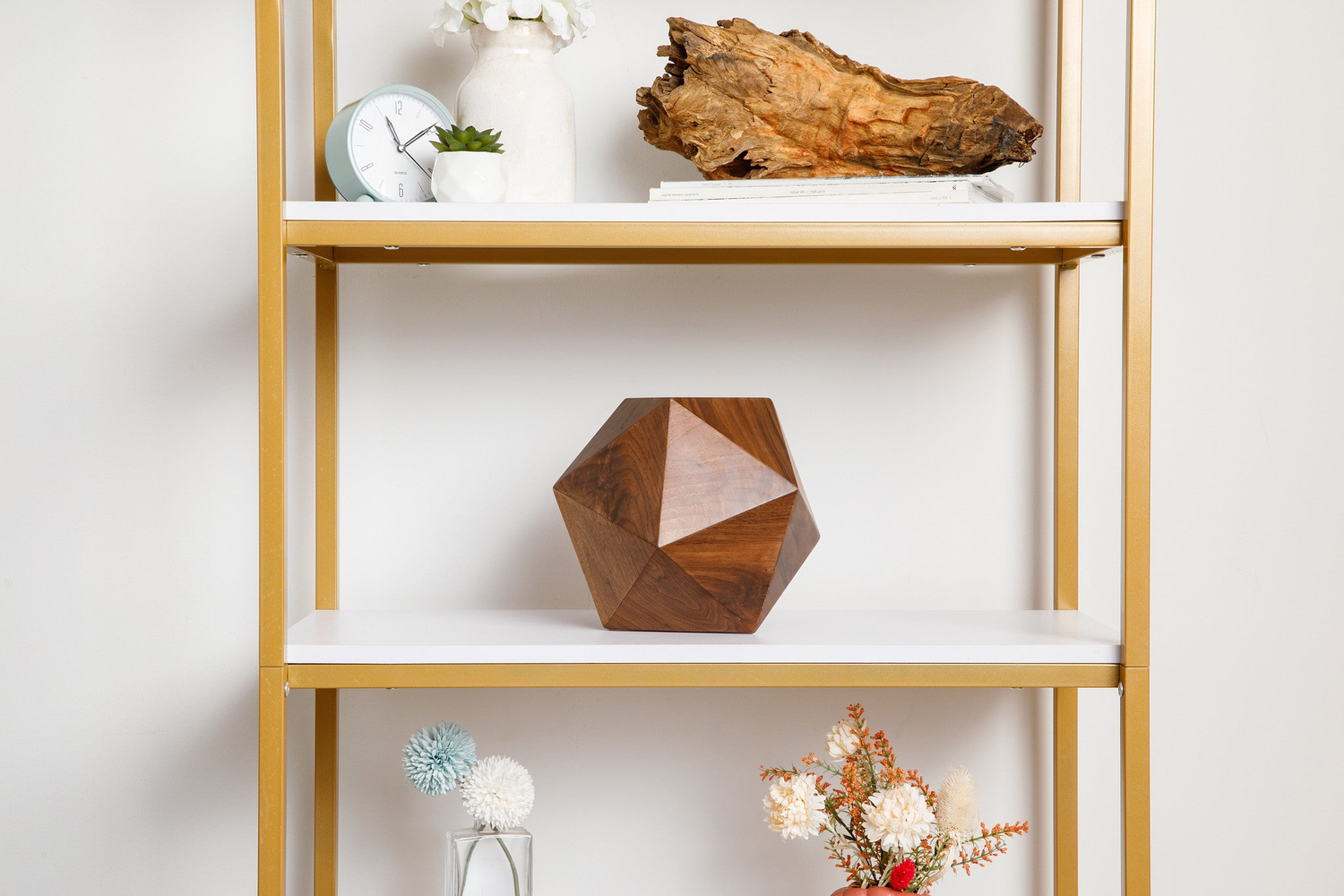
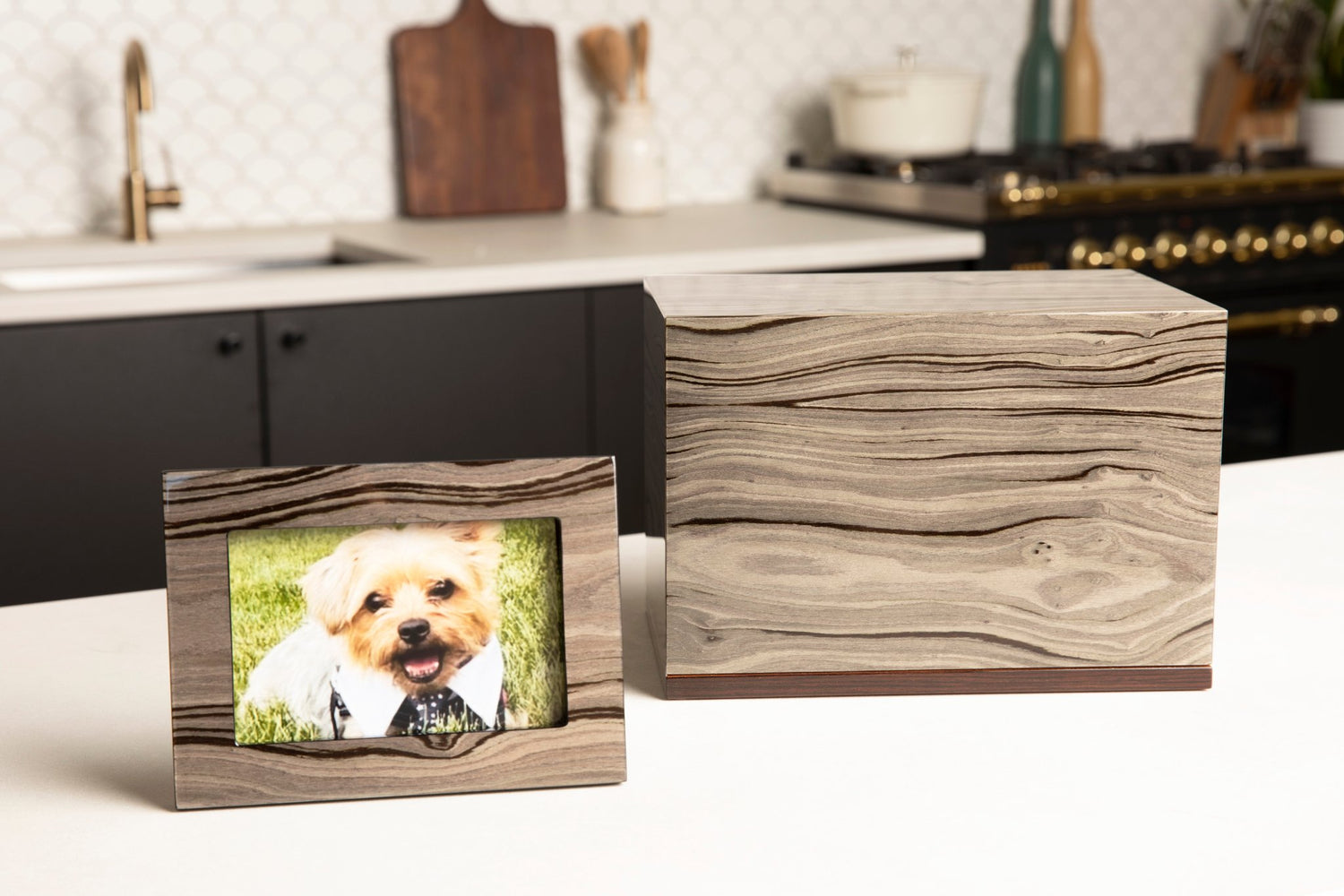
Many families choose to place their memory board near a handcrafted urn, creating a quiet focal point for reflection. Wooden urns, with their natural warmth and timeless design, often blend seamlessly into living spaces. Engraved details—such as a name, date, or short phrase—add subtle personalization, grounding the memories displayed nearby.
Keepsake urns offer another meaningful option. Their smaller size allows remembrance to be shared across households, making it possible for multiple family members to honor the same loved one in their own way. When placed beside a memory board, a keepsake urn serves as a gentle reminder of connection and continuity.
Memory That Moves With You
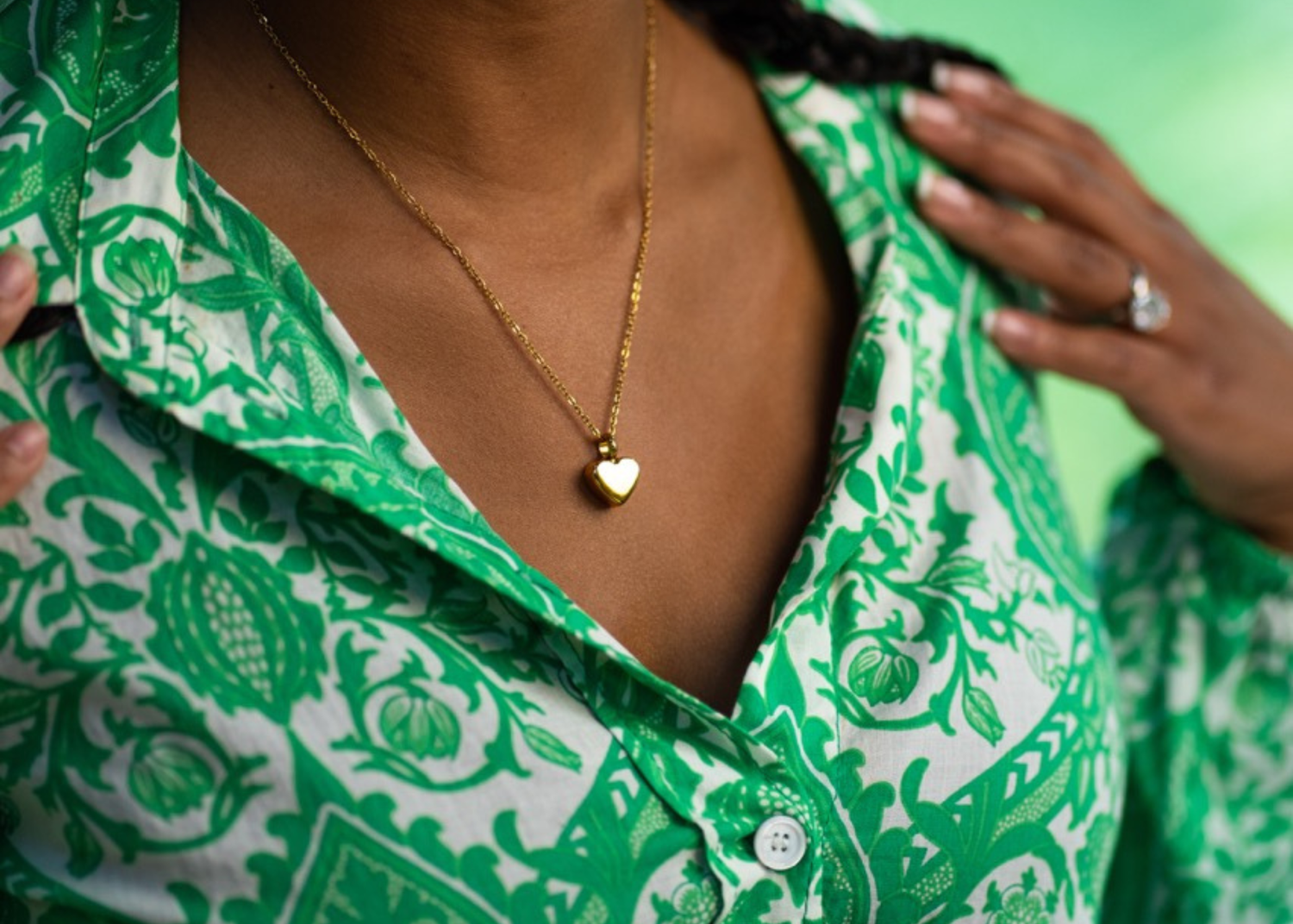
While memory boards provide a place for reflection at home, remembrance does not need to remain in one space. Cremation jewelry offers a way to carry memory into everyday life. Necklaces, bracelets, and pendants designed to hold a small portion of ashes or other keepsakes allow loved ones to feel close during ordinary moments.
Some families include an image of cremation jewelry on their memory board, symbolizing how memory continues beyond the home. Others place the jewelry near the board during anniversaries or quiet evenings. In either case, these pieces become a bridge between past and present—offering comfort through touch and presence.
Allowing the Board to Evolve Over Time
A year-in-review memory board does not need to remain fixed. Many families allow their boards to grow and change as time passes. New photos may be added after family gatherings. Notes may appear following moments of reflection or remembrance. Over time, the board becomes less about a single year and more about an ongoing relationship.
This flexibility mirrors the nature of grief itself. Some days feel heavier than others. Some memories bring tears; others bring peace. A living memory board creates space for all of these emotions without expectation.
Shared Remembrance as a Family Ritual
Creating a memory board together can be a meaningful experience for families. Children may contribute drawings or written memories. Older relatives may share stories that bring new depth to familiar moments. In this way, remembrance becomes something shared rather than solitary.
Lighting a memorial candle nearby during anniversaries or holidays can gently transform reflection into ritual. Memorial candle holders offer a simple yet powerful way to mark meaningful dates, creating a moment of pause and intention. The soft glow of a candle often encourages quiet conversation, reflection, or simply stillness.
Honoring the Everyday, Not Just the Extraordinary
One of the most powerful aspects of a year-in-review memory board is its ability to honor the everyday. A loved one’s life is not defined solely by milestones, but by habits, kindness, humor, and presence. Including these details affirms that their essence is remembered, not just their absence.
Perhaps they loved gardening, music, handwritten notes, or shared routines. These small details often bring the greatest comfort, reminding us that love lives in memory and daily life alike.
Moving Forward While Staying Connected
A year-in-review memory board does not ask anyone to move on or find closure. Instead, it offers a way to move forward while remaining connected. It creates a space where memory feels safe, where reflection feels intentional, and where love continues to be expressed.
Paired with meaningful memorial pieces—urns, keepsakes, jewelry, or candle holders—memory boards become part of a larger practice of remembrance. Together, they offer both permanence and flexibility, honoring a life while supporting those who continue to carry its memory.
As you gather photos, notes, and keepsakes, trust that what you choose is enough. Each item placed on the board is an act of love, a quiet affirmation that connection endures, even as time moves forward.