Skip to content


Giving as a Form of Remembrance
As the year draws to a close, reflection often comes naturally. We look back on what mattered, what changed us, and who shaped our lives in lasting ways. For those carrying grief, this season can feel especially tender. It is often during quieter moments—between celebrations and transitions—that the absence of a loved one feels most present.
For many families, making a year-end donation in a loved one’s name becomes a meaningful way to honor that presence. It transforms remembrance into action, allowing love to extend outward in a way that feels purposeful and true to the person being remembered.
Why Donations Hold Deep Meaning
Donations made in someone’s name are not about obligation or visibility. They are about alignment. Families often choose this form of remembrance because it reflects something the loved one cared about—community, kindness, service, or compassion.
Giving can feel grounding during grief. It provides a sense of continuity, reminding us that while a life has ended, its values and impact continue. A donation becomes a quiet statement: this person mattered, and their influence still moves through the world.
Choosing a Cause That Reflects a Life
Selecting a charity often begins with reflection. Families think about what their loved one stood for, what brought them joy, or where they invested their time and energy. Sometimes the connection is clear—a cause they supported during their lifetime. Other times, it emerges slowly through memory.
There is no need for the choice to feel perfect. What matters is intention. A donation made thoughtfully carries meaning regardless of size or recognition. It honors the individual rather than the act itself.
Private Giving as Personal Ritual
Not all donations are meant to be shared publicly. Many families choose to give quietly, without announcements or acknowledgment. In these moments, giving becomes a personal ritual—something done in reflection rather than display.
Some families pair the act of donating with quiet remembrance at home. Lighting a candle afterward, sitting near an urn, or holding a keepsake can help anchor the gesture emotionally. These moments create a sense of closure and connection, blending action with reflection.
Honoring Legacy Without Pressure
One of the reasons families choose year-end donations is their flexibility. There is no timeline, no expectation, and no right way to give. Some donate annually as an ongoing tradition. Others give once, marking a specific year or milestone.
This flexibility mirrors how grief unfolds. Some years call for outward action; others for inward reflection. Donations adapt to both, allowing remembrance to evolve naturally over time.
Pairing Giving With Tangible Remembrance
While donations honor values, many families also find comfort in tangible memorials that anchor memory at home. An urn provides a sense of permanence and presence, offering a physical place for remembrance. Keepsake urns allow family members to share that presence across households, maintaining connection through shared memory.
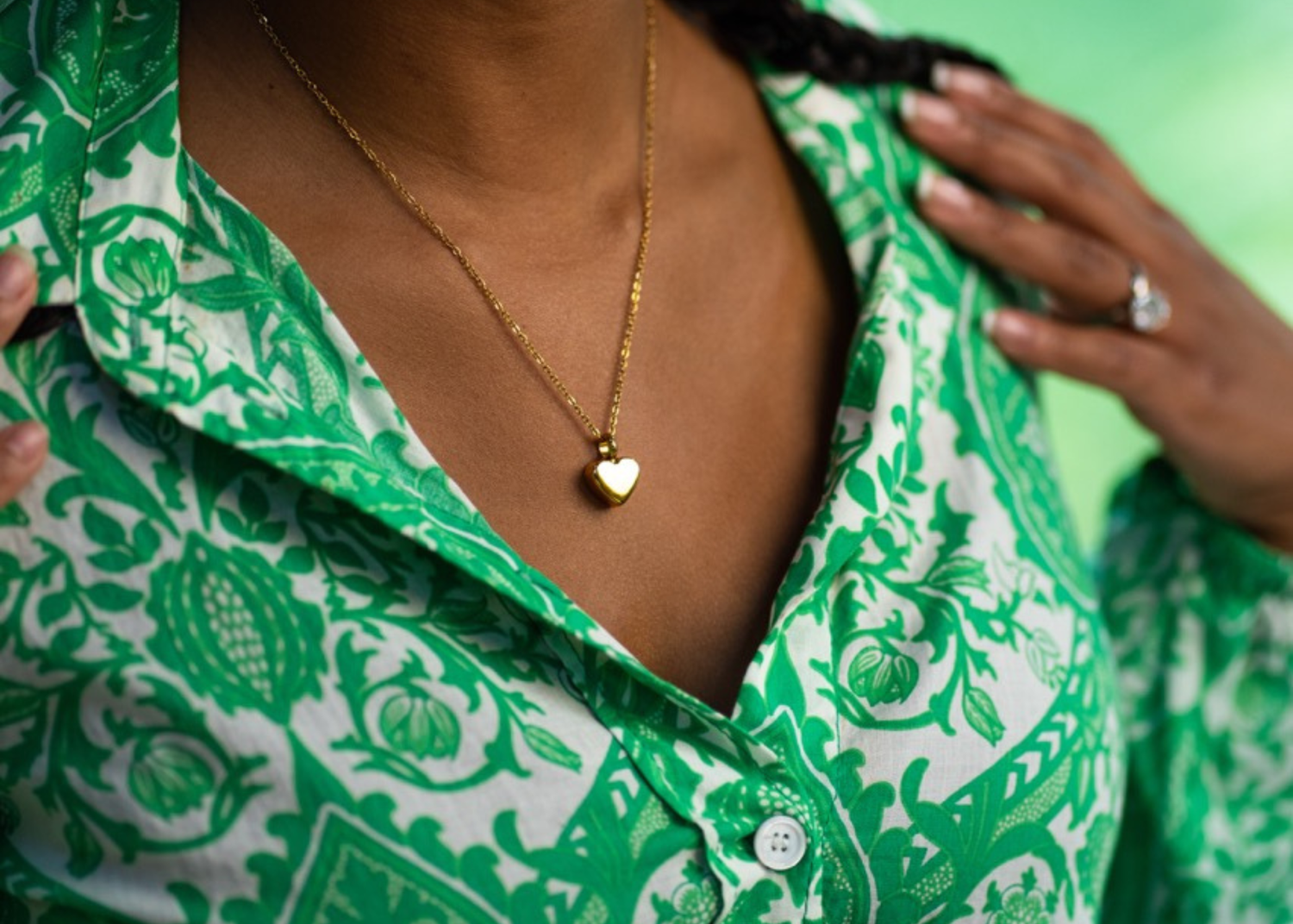
Cremation jewelry offers another layer of closeness, allowing memory to be carried into daily life. These pieces do not replace giving, but they complement it—balancing outward generosity with inward connection.
Teaching Remembrance Through Action
For families with children, donations made in a loved one’s name can become meaningful teaching moments. They offer a way to talk about legacy, values, and compassion in accessible terms. Giving together allows younger generations to understand that remembrance is not only about loss, but about continuing care.
These moments often become traditions, revisited year after year. Over time, the act of giving becomes part of how the loved one is remembered—through kindness passed forward.
When Giving Feels Easier Than Words
Grief can make communication difficult. Sometimes it is hard to explain how much someone meant, or how deeply they are missed. Donations offer an alternative form of expression. They speak through action rather than language.
Families often find comfort in knowing that something positive emerged from their loss. This does not diminish grief, but it can soften its edges, offering moments of purpose amid sadness.
Creating a Year-End Ritual of Reflection
Many families incorporate donations into a broader year-end ritual. Reflecting on the year, lighting a candle, revisiting photographs, or spending quiet time near memorial objects can create a sense of closure and intention.
Memorial candle holders often play a role in these rituals. Their steady light offers comfort and focus, marking time without urgency. Whether used alone or alongside other memorial pieces, they help transform reflection into ritual.
Allowing Meaning to Change Over Time
The significance of a donation may shift from year to year. What once felt essential may later feel optional, and what once felt difficult may become comforting. This change is natural.
Remembrance is not static, and neither is giving. Allowing these practices to evolve honors both grief and healing. The value lies not in consistency, but in sincerity.
Why Families Continue to Choose Giving
Families choose year-end donations because they offer a way to honor life rather than focus solely on loss. They reflect love through generosity and memory through action. They affirm that a loved one’s influence extends beyond their lifetime.
Paired with meaningful memorial objects—urns that hold presence, keepsakes that invite closeness, jewelry that carries memory, candlelight that encourages reflection—donations become part of a layered remembrance practice.
A Legacy That Lives Forward
Choosing a charity in a loved one’s name is ultimately an act of hope. It acknowledges loss while affirming continuity. It allows love to move forward, touching lives in ways both seen and unseen.
As the year ends, giving can offer a moment of peace—a reminder that remembrance does not fade with time, but transforms. Through thoughtful action and quiet reflection, a loved one’s legacy continues, carried gently into the year ahead.