 Skip to content


Death is one of the few universal experiences shared across all cultures, yet the way it is understood and honored varies deeply from one tradition to another. Religion often shapes how individuals interpret death, what they believe happens afterward, and how they mourn and remember those who have passed. These beliefs and practices provide structure, comfort, and meaning during times of loss, helping individuals and communities navigate grief while honoring the life of the deceased.
Understanding how different world religions approach death and mourning not only deepens cultural awareness but also fosters empathy. It reminds us that while the rituals may differ, the desire to remember, honor, and find peace is something shared by all.
The Role of Religion in Death and Mourning
Religion offers a framework for understanding life’s most profound questions, including what happens after death. It often provides guidance on how to prepare for death, how to treat the body, and how to support those who are grieving. Rituals and traditions help bring order to what can feel like chaos, offering comfort through familiarity and shared meaning.
For many, these practices are not just symbolic—they are essential acts of respect and spiritual significance. They reflect beliefs about the soul, the afterlife, and the connection between the living and the departed.
Christian Perspectives on Death and Mourning
In Christianity, death is generally viewed as a transition rather than an end. Many Christians believe in an afterlife where the soul continues on, often described as heaven or eternal life with God. Because of this, mourning is often balanced with hope and faith.
Funeral services typically include prayers, scripture readings, and hymns that focus on remembrance and spiritual comfort. Burial is traditionally preferred, though cremation is increasingly accepted in many denominations. Mourning practices vary, but they often involve gatherings of family and community members who offer support and share memories of the deceased.
Grief is acknowledged as a natural response, but it is often framed within a context of hope, emphasizing reunion and eternal peace.
Islamic Traditions and Beliefs
In Islam, death is seen as a return to God and a transition into the afterlife. The belief in accountability after death shapes many of the rituals and practices surrounding it.
Islamic funeral practices are typically simple and occur as soon as possible after death. The body is washed, shrouded, and buried facing Mecca. Cremation is not permitted in Islamic tradition. Mourning is generally observed for a short period, often three days, during which family and community members gather to offer support and prayers.
Grief is expressed with dignity and patience, with an emphasis on accepting God’s will. While sadness is natural, excessive displays of grief are discouraged in favor of quiet reflection and prayer.
Hindu Views on Death and Rebirth
Hinduism offers a unique perspective on death, viewing it as part of a continuous cycle of birth, death, and rebirth known as samsara. The soul is believed to be eternal, moving from one life to another until it achieves liberation.
Cremation is the most common practice in Hindu tradition, symbolizing the release of the soul from the physical body. Rituals often take place along rivers, with ashes sometimes scattered in sacred waters.
Mourning practices can vary by region and family, but they often include a period of ritual observance, prayers, and offerings to honor the deceased and support their journey in the afterlife. Grief is intertwined with spiritual reflection, emphasizing the impermanence of life and the continuity of the soul.
Buddhist Approaches to Death and Impermanence
In Buddhism, death is seen as a natural part of life and an opportunity for transition. The concept of impermanence is central, reminding individuals that all things are temporary.
Rituals often focus on supporting the consciousness of the deceased as it transitions to the next state. Chanting, meditation, and offerings are common practices. Cremation is widely accepted, though practices can vary depending on cultural influences.
Mourning in Buddhism is often quiet and reflective, emphasizing acceptance and mindfulness. Rather than focusing solely on loss, it encourages understanding the nature of life and death.
Jewish Traditions and Mourning Practices
Judaism places a strong emphasis on honoring the deceased and supporting the grieving. Burial is typically carried out as soon as possible, and cremation is generally discouraged in traditional Jewish practice.
Mourning is structured through specific stages, each with its own customs and expectations. The initial period, known as shiva, lasts seven days and involves gathering with family and community members for support and remembrance. This is followed by additional periods of mourning that gradually ease over time.
Jewish traditions emphasize the importance of community, memory, and continuity. Acts of kindness and remembrance are seen as ways to honor the life of the deceased.
Indigenous and Cultural Traditions
Many Indigenous and cultural traditions around the world have their own unique approaches to death and mourning. These practices are often deeply connected to nature, ancestry, and community.
Rituals may include storytelling, music, dance, and ceremonies that celebrate the life of the deceased while acknowledging their transition to another realm. The focus is often on maintaining a connection between the living and the ancestors, with remembrance playing a central role.
These traditions highlight the diversity of human experience and the many ways people find meaning in loss.
Common Themes Across Religions
Despite their differences, many religious traditions share common elements when it comes to death and mourning. These include:
- Honoring the body with care and respect
- Providing structure through rituals and ceremonies
- Supporting the grieving through community
- Believing in some form of continuation beyond death
These shared themes reflect a universal need to find meaning, connection, and comfort during times of loss.
The Role of Rituals in Healing
Rituals play a powerful role in the grieving process. They provide a sense of order and purpose, helping individuals move through their emotions while honoring their loved ones.
Whether through prayer, ceremony, or quiet reflection, these practices create space for remembrance and healing. They also offer a way to express emotions that may be difficult to put into words.
Modern Interpretations and Personalization
In today’s world, many people blend traditional religious practices with personal preferences. This allows for more individualized expressions of remembrance while still honoring cultural or spiritual roots.
Memorial services may include elements from multiple traditions or incorporate modern touches such as digital tributes, personalized ceremonies, and unique memorial items.
This flexibility reflects the evolving nature of how people approach death and mourning, balancing tradition with personal meaning.
Honoring Memory Across Traditions
Regardless of religious background, the desire to honor and remember loved ones is universal. Physical memorials, such as urns, keepsakes, or jewelry, provide a tangible connection to those who have passed.
Oaktree Memorials offers thoughtfully designed pieces that complement a wide range of cultural and spiritual traditions, helping families create meaningful tributes that reflect their beliefs and values.
Final Thoughts
How world religions approach death and mourning reveals both the diversity and unity of human experience. While beliefs and practices may differ, the underlying purpose remains the same: to honor life, support the grieving, and find meaning in loss.
By understanding these perspectives, we not only gain insight into different cultures but also deepen our own appreciation for the ways people navigate one of life’s most profound moments. In the end, remembrance, compassion, and connection are the threads that bind us all.


Our Best Sellers
-
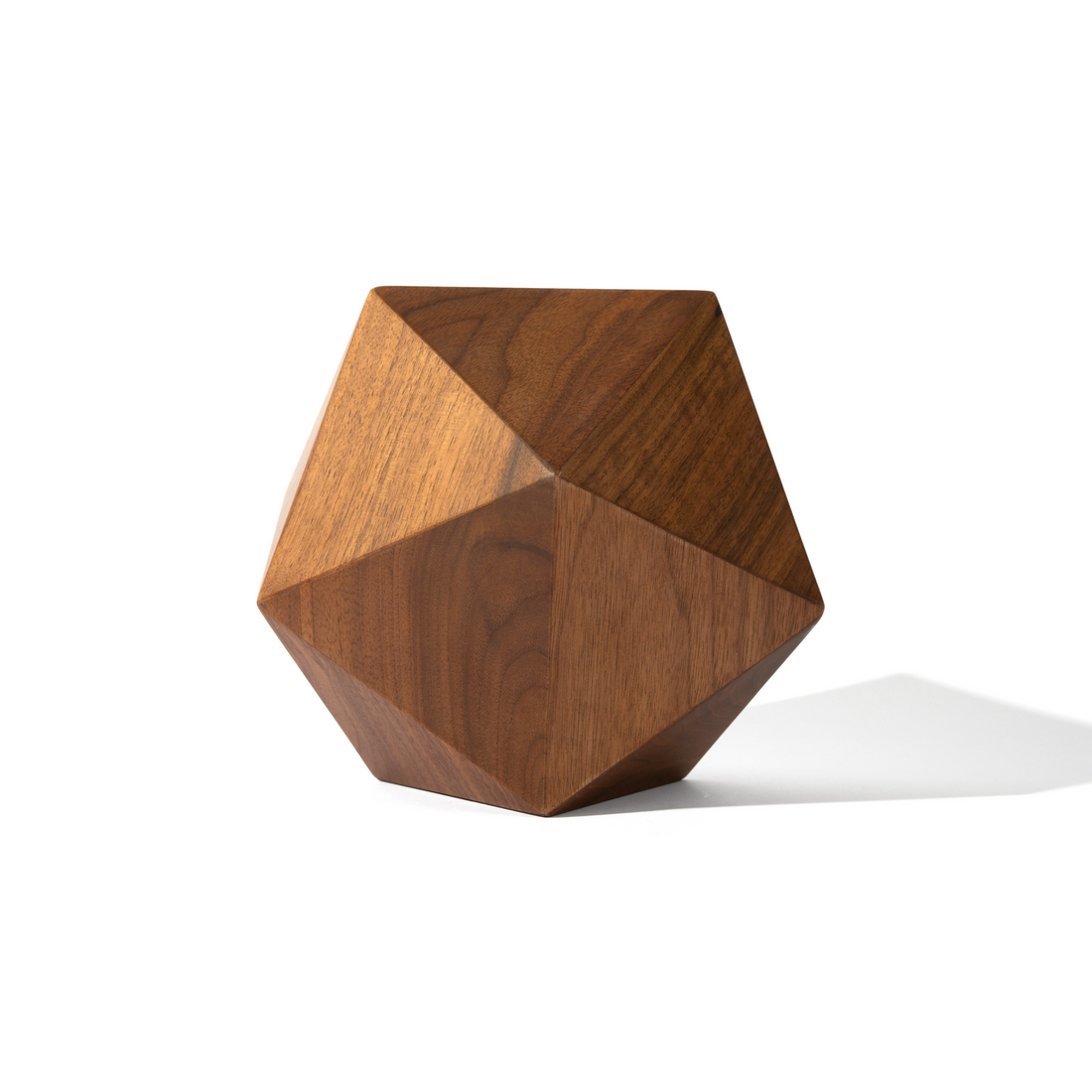
The Bleecker Urn in Walnut
 The Bleecker Urn in Walnut
- Regular price
-
From
$345 - Regular price
-
$445 - Sale price
-
From
$345
Quick view
-
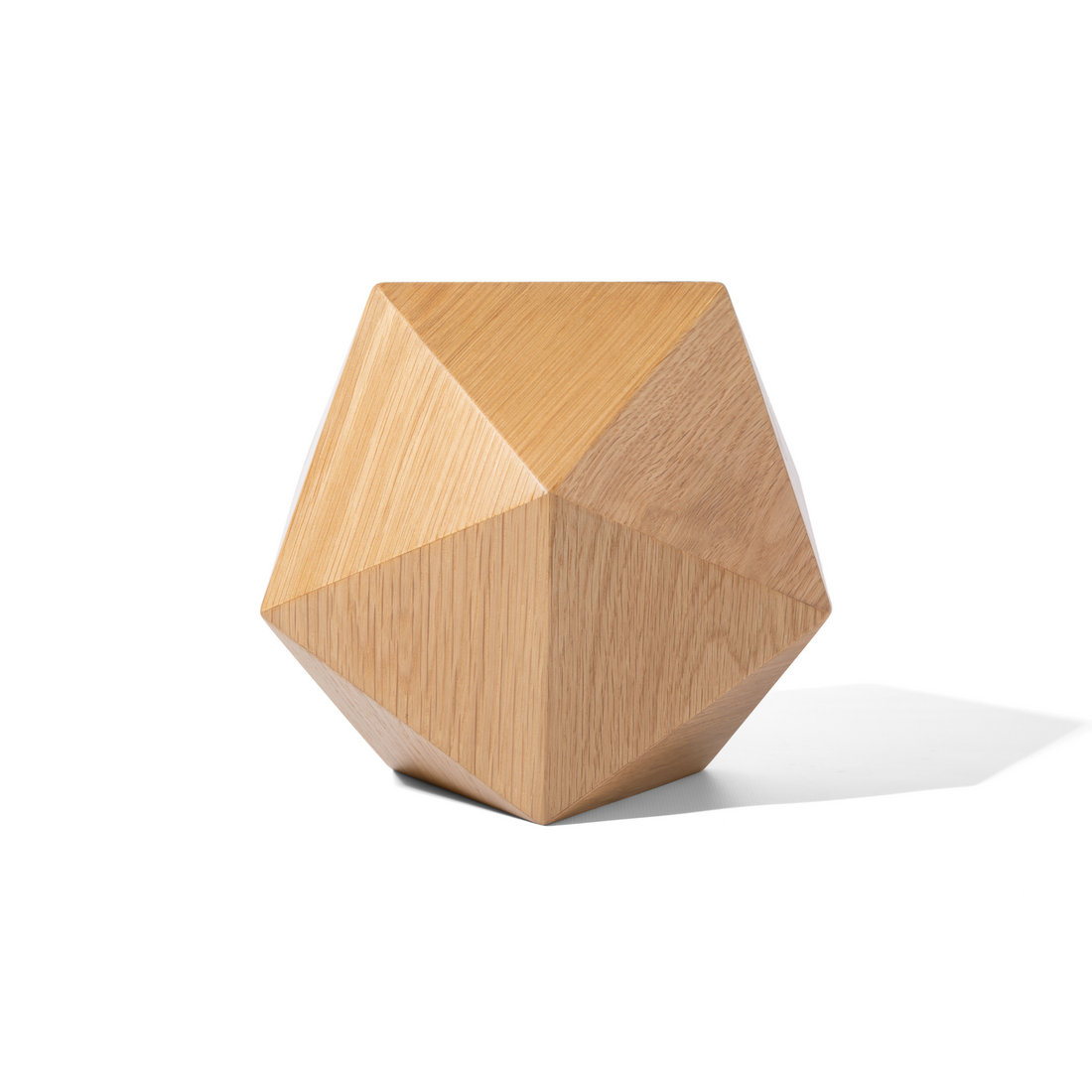
The Bleecker Urn in Oak
 The Bleecker Urn in Oak
- Regular price
-
From
$395 - Regular price
-
$445 - Sale price
-
From
$395
Quick view
-
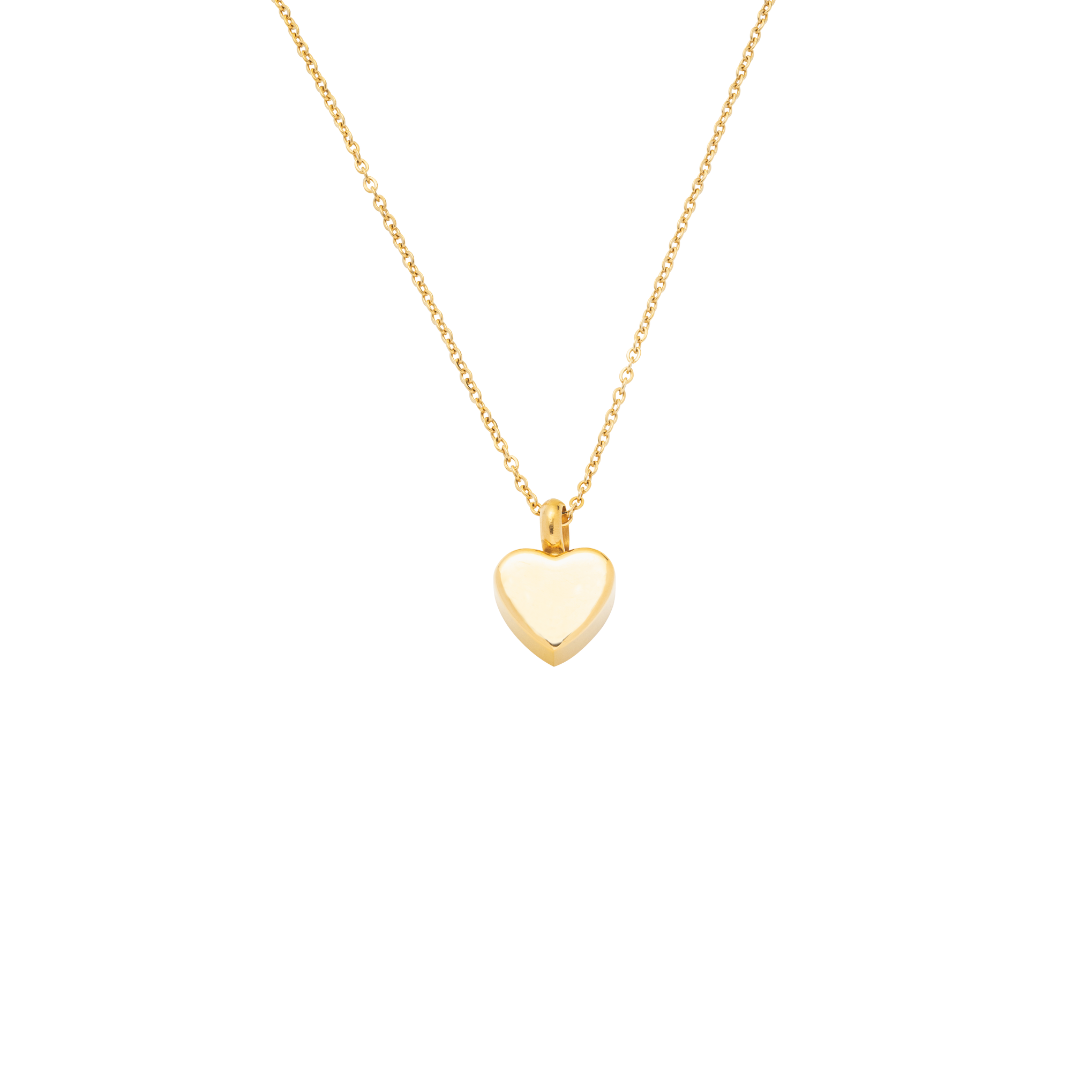
The Amore Cremation Necklace
 The Amore Cremation Necklace
- Regular price
-
From
$68 - Regular price
-
$95 - Sale price
-
From
$68
Quick view
-
The Tower Urn in Oak
 The Tower Urn in Oak
- Regular price
-
$75 - Regular price
-
$115 - Sale price
-
$75
Quick view

FAQs
What are the shipping options for my memorial gift?
Oaktree offers free nationwide shipping on all urns and cremation jewelry items, with delivery typically taking 2-5 business days, including processing time. Need it sooner? Expedited shipping (overnight or 2-day) is available at checkout for an additional cost, and we will also prioritize processing for faster delivery. If you need international shipping, please contact us first to confirm availability and rates.
How long will it take for my engraved item to arrive?
Engraved urns and cremation necklaces require an additional 1-3 business days for personalization before shipping. If you need faster delivery, please contact us—we’ll do our best to expedite processing and accommodate your timeline. Expedited shipping options are also available at checkout to ensure your memorial arrives as soon as possible.
What do I do if I never received my order?
If your order hasn’t arrived within 10 business days, please contact us so we can track your shipment and resolve any issues. We’ll ensure your memorial reaches you as soon as possible.
What do I do if I received a defective order?
If your order arrives damaged or defective, contact us right away. We take pride in our high-quality craftsmanship and will work quickly to replace or repair your item at no additional cost.
Can I return my urn or cremation necklace? What is your return policy?
Oaktree offers a 100-day return and exchange policy for non-engraved items. Due to personalization, engraved urns are final sale and cannot be returned. For full details on how to start a return or exchange, visit our Returns & Exchanges page.
How do I make changes to an urn I’ve already ordered?
If you need to modify an order, contact us as soon as possible. If your urn is already engraved, we may not be able to make changes, but we’ll do our best to accommodate your request before processing.
How are your urns made? Where do the materials come from?
Oaktree’s urns are handcrafted in the USA and Europe using sustainable, locally sourced materials. Our artisans ensure each piece is beautifully designed and built to honor your loved one’s memory with care.
How do I choose the right urn size?
Each product page includes detailed dimensions, weight capacity, and cubic inches to help you select the right urn. As a general guide, 1 cubic inch holds 1 pound of pre-cremation weight. If you need help choosing, feel free to contact us.
Some urns are marked as “sold out.” When will they be available?
Our handmade urns may take a few weeks to restock. If you’re interested in a specific style, contact us for an estimated restock date, and we’ll notify you when it’s available.
Does Oaktree place the ashes into my urn?
Yes, we offer an optional ash transfer service for an additional fee. If you’d like us to handle this process, please contact us when placing your order. You’ll need to mail the ashes to us, and we’ll carefully transfer them into your selected urn.
How do I transfer ashes into my urn?
Cremated remains typically arrive in a sealed plastic bag inside a plastic container. To transfer them, simply place the sealed bag inside your urn. If needed, use a funnel for precise placement. If you have any concerns, our team is happy to assist.
How do I order an engraved urn?
To personalize your urn, select “Yes” under “Would you like your item engraved?” on the product page. If you’d like a custom design beyond standard engraving, contact us and we’ll explore options to create a unique tribute.
Can my urn be shipped directly to a funeral home?
Yes! During checkout, you can enter the funeral home’s address for direct shipping.
Can I customize my urn beyond engraving?
Yes! In addition to engraving, we offer custom design services, including unique finishes, symbols, or artwork. If you’d like to personalize your urn beyond standard options, contact us to discuss customization possibilities.
What materials are Oaktree urns made from?
Our urns are crafted from premium materials such as wood, ceramic, marble, metal, and biodegradable materials. We focus on sustainable sourcing and high-quality craftsmanship to create lasting memorials.
Do you offer keepsake urns or mini urns?
Yes, we offer keepsake urns and mini urns, which are smaller versions designed for sharing ashes among family members or keeping a small portion as a personal tribute.
Can I pre-order an urn for future use?
Absolutely! Many customers choose to pre-order an urn in advance. This ensures availability and allows for customization without time constraints. Contact us to arrange a pre-order.
Do you offer pet urns?
Yes, we provide a range of pet memorial urns designed to honor beloved pets. These are available in different materials and sizes to suit dogs, cats, and other pets.
How do I clean and maintain my urn?
Urns require gentle care to maintain their beauty. Use a soft cloth and mild cleaner for metal or ceramic urns. Avoid direct sunlight and moisture to preserve wood urns. Contact us for specific care instructions based on your urn’s material.
Can I travel with an urn? Are they TSA-approved?
Most Oaktree urns are TSA-compliant, making them safe for air travel. Choose a non-metal urn to ensure easy screening. We recommend carrying the urn in your carry-on bag and bringing the cremation certificate from the funeral home.
How do I track my order?
Once your order ships, we’ll send you a tracking number via email. You can use this to monitor the shipment status. If you don’t receive tracking details, contact us for assistance.
How do I contact Oaktree if my question isn’t answered here?
We’re happy to assist! Visit our Contact Us page to reach us via email, chat, or phone. Our compassionate team is ready to help.