Affordable Cremation Alternatives: Budget-Friendly Options in 2025
|
|
Time to read: 5 min
 Skip to content

|
|
Time to read: 5 min
Saying goodbye to a loved one is never easy—emotionally or financially. As funeral costs continue to rise, many families are seeking more affordable options that still allow for meaningful and respectful farewells. Cremation has become a popular alternative to traditional burial, but even within cremation services, prices can vary widely. In 2025, new trends and technologies are offering more options than ever for families looking to honor their loved ones on a budget.
This guide outlines practical, cost-conscious cremation alternatives and memorial solutions that provide dignity, sustainability, and personalization—without breaking the bank.
Why Cremation Costs Are Rising
While cremation is generally more affordable than burial, factors like location, type of service, and added features can quickly increase the cost. Fees may include transportation, urns, permits, death certificates, memorial services, and additional services like embalming or viewings.
According to recent data, the average cost of a basic cremation ranges from $1,000 to $3,000, but full-service cremations with memorial ceremonies can exceed $6,000. That’s why families are increasingly exploring alternative methods and planning strategies.
Direct Cremation: The Most Affordable Option
Direct cremation is one of the most economical options available. This process involves cremating the body shortly after death, without a formal service, viewing, or embalming. Families then receive the ashes and can plan a private memorial at a later date.
Benefits of direct cremation include:
Significantly lower cost (often under $1,000)
Flexibility in planning the memorial
Simpler logistics, especially for long-distance families
Many cremation providers offer direct cremation packages that include transportation, cremation, and delivery of ashes in a basic container.
Shipping Ashes or Keeping Them at Home
One cost-saving strategy after direct cremation is to forgo expensive cemetery placements or niche rentals. Instead, families can keep the ashes in a decorative urn at home, scatter them in a meaningful location, or share them among family members using keepsake urns.
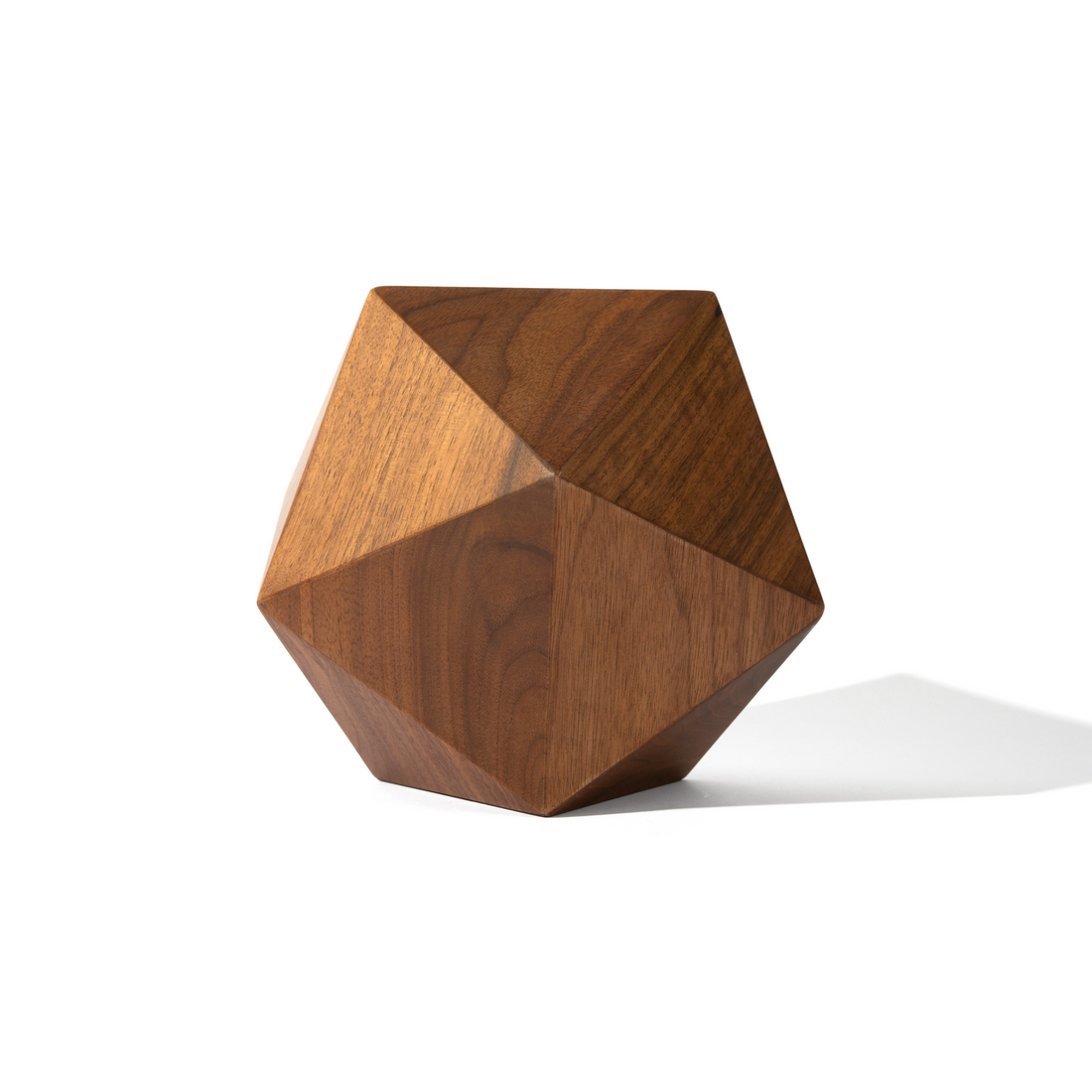
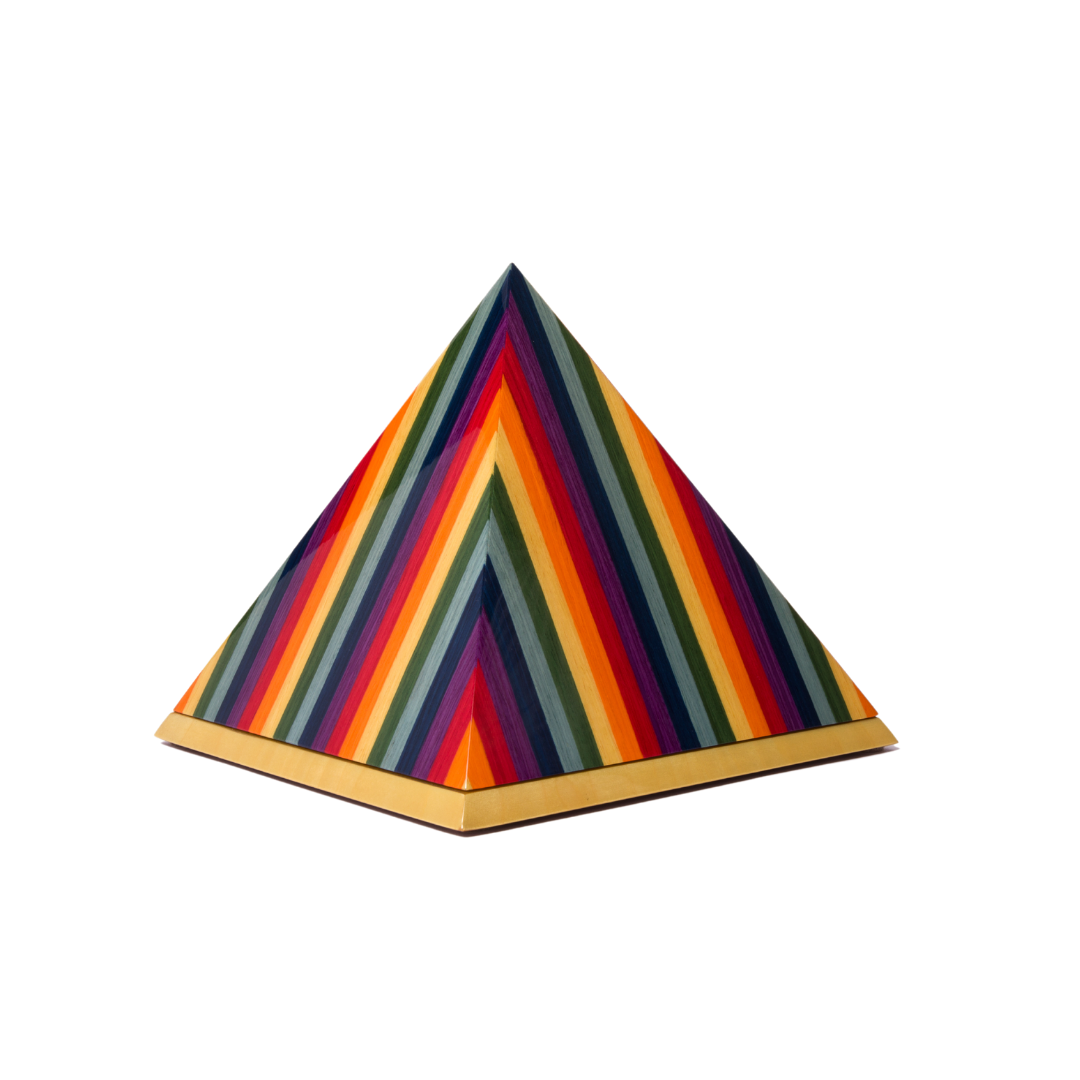
Modern home memorial shrines have become increasingly popular, allowing families to create a quiet, personal space for reflection. Affordable display urns made from wood, ceramic, or eco-friendly materials provide both beauty and comfort.
Biodegradable and Scattering Urns
For those who prefer to return a loved one’s ashes to nature, biodegradable and scattering urns offer affordable and environmentally conscious choices. These urns are often used for sea scattering ceremonies, forest memorials, or burial in conservation cemeteries.
Biodegradable urns are available in various shapes and materials—pressed paper, salt, sand, or plant-based composites—and many cost less than traditional urns. They can be especially meaningful for families who value green burial practices.
Water Cremation (Aquamation): A Gentle Alternative
Aquamation, also known as alkaline hydrolysis, is gaining popularity as a more environmentally friendly and gentle method of body disposition. It uses a water-based process to break down remains into ashes. While not yet available in all states, it’s becoming more accessible and may offer lower costs compared to flame cremation in some regions.
Aquamation may also appeal to families who want to reduce carbon emissions or avoid the idea of fire-based cremation. Prices vary, but basic packages may fall within the $1,500 to $2,500 range.
Group or Community Cremation Services
Some crematories and memorial providers offer group cremation options, where multiple individuals are cremated at the same time, with families receiving a portion of the ashes or participating in a shared memorial service.
While not right for everyone, group cremation services may:
Reduce individual costs
Offer a community-based experience
Include group tributes, candles, or communal urn displays
If you're considering this route, be sure to ask for clear explanations of how ashes are handled and whether you’ll receive your loved one’s remains separately.
Memorial Jewelry and Shared Keepsakes
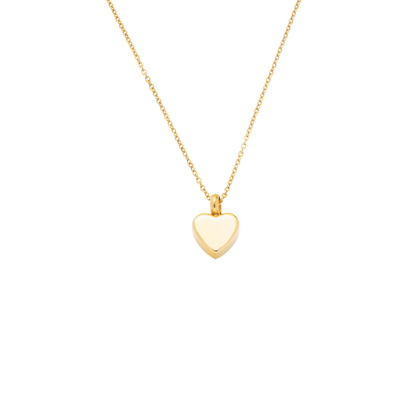
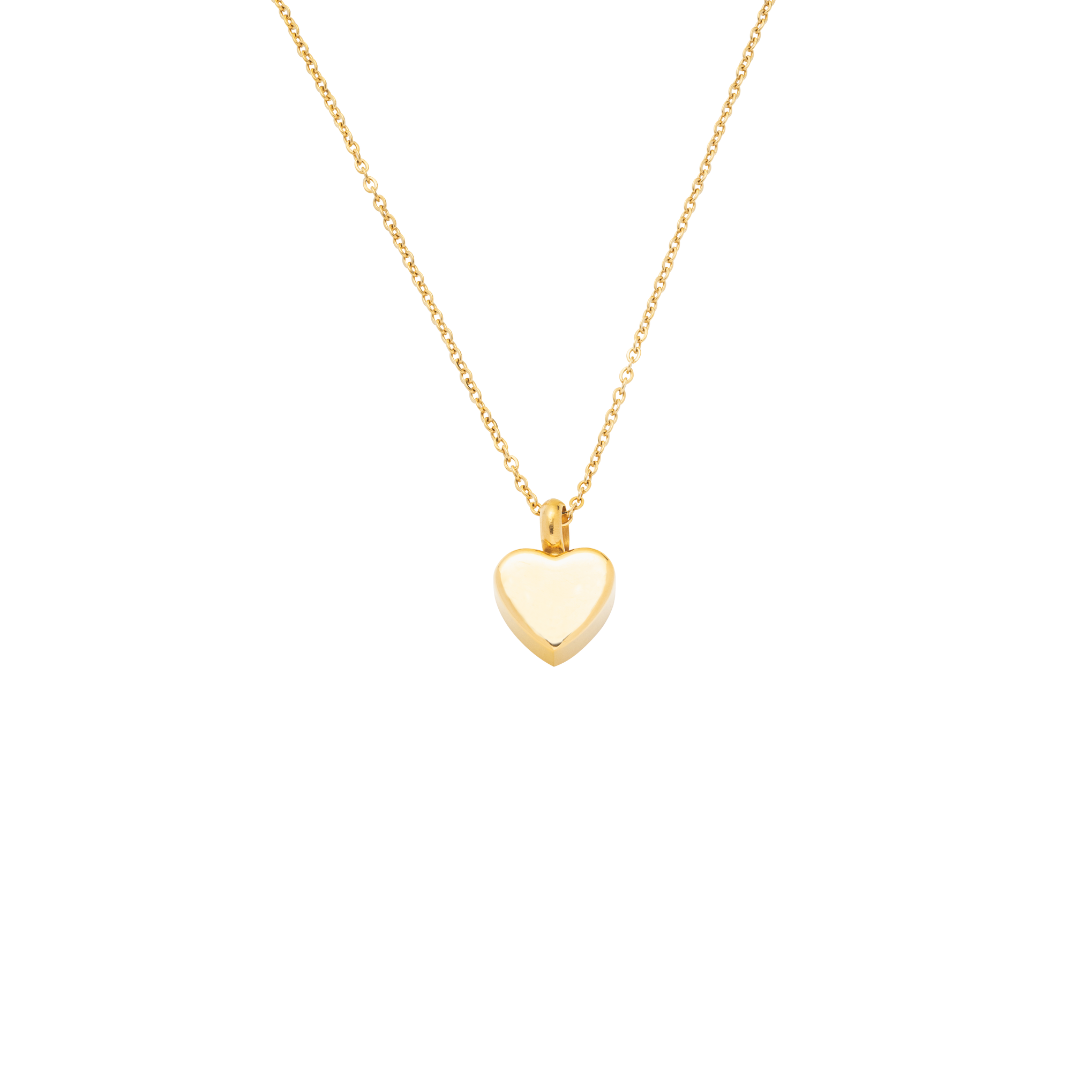
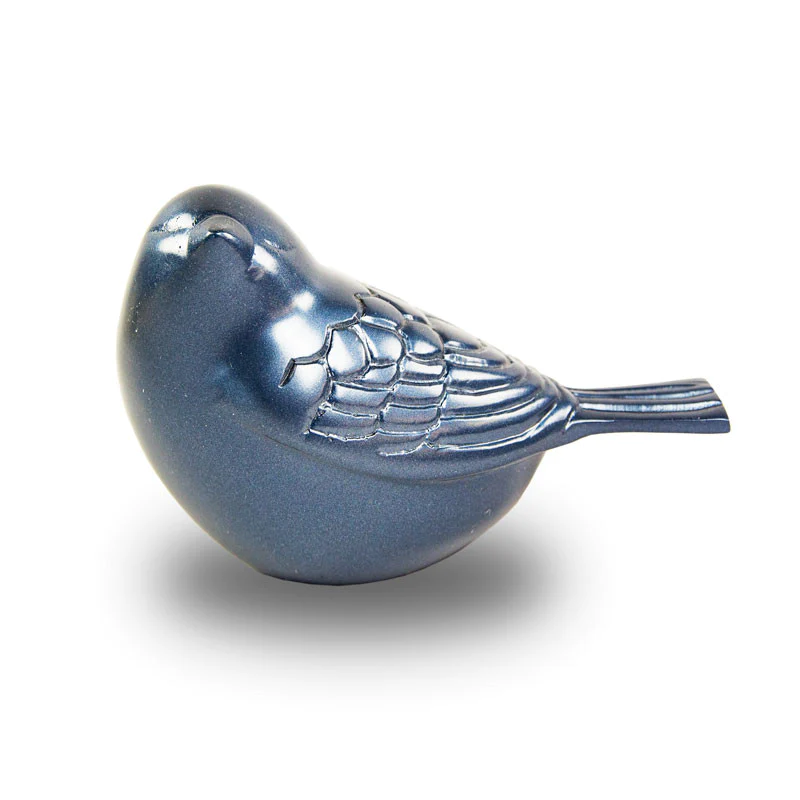
Instead of one large urn, many families are turning to affordable keepsake urns or cremation jewelry. These small containers hold a portion of ashes and can be shared among siblings, children, or close friends.
Options include:
Necklaces, bracelets, or rings with hidden compartments
Keychains, lockets, or photo frames with ash chambers
Small wood, ceramic, or glass keepsake urns
These pieces range from $30 to $200 and offer a deeply personal way to stay connected without the high cost of a full-service memorial.
Do-It-Yourself Memorials and Ceremonies
Planning your own memorial event can dramatically reduce costs while allowing for greater creativity and personalization. Instead of renting a funeral home, consider:
Hosting a backyard gathering or beach ceremony
Creating a slideshow, playlist, or memory jar
Inviting guests to share stories or light candles
Serving your loved one’s favorite foods or drinks
These memorials can be intimate, joyful, and budget-friendly—all while honoring your loved one in a way that feels authentic.
Online Memorials and Digital Tributes
With more people spread across the country—or the world—digital memorials offer a powerful and affordable option. Many platforms now allow you to create a tribute website with:
A digital guest book
Photo galleries and videos
Donation links or memorial funds
Scheduled livestreams or recordings of virtual services
Some basic tribute sites are free, while others charge a one-time or subscription fee. Either way, they create a lasting place for loved ones to return, reflect, and share.
Comparing Providers and Pricing
Before committing to a cremation provider, always request an itemized price list. Compare local providers, online services, and nonprofit funeral co-ops. Some providers offer package deals, payment plans, or sliding scale pricing based on need.
Questions to ask:
Is transportation included in the base price?
Are there hidden fees for paperwork or urns?
How are ashes returned—by mail or in person?
Are there lower-cost options not listed on the website?
Transparency is key. A reputable provider will walk you through your options and help you find a solution that fits both your values and your budget.
Assistance Programs and Resources
If cost is a significant concern, consider exploring:
State or county funeral assistance programs
Veterans benefits for qualifying service members
Religious or community grants
Crowdfunding platforms like GoFundMe or GiveSendGo
Local funeral consumer alliances
These resources may help offset expenses or connect you to free or discounted services.
Final Thoughts
A meaningful goodbye doesn’t have to come with a hefty price tag. In 2025, families have more affordable cremation alternatives than ever before—from direct cremation and biodegradable urns to DIY ceremonies and digital memorials.
Choosing a cost-conscious option doesn’t mean sacrificing care, beauty, or personalization. It means honoring your loved one in a way that reflects your values, your story, and your financial reality.
Whether you're seeking scattering urns, home memorial ideas, cremation jewelry, or eco-conscious products, Oaktree Memorials offers thoughtfully designed, accessible solutions for every family. Let us help you create a tribute that is both beautiful and affordable.
What are the shipping options for my memorial?
Oaktree offers free nationwide shipping on all urns and cremation jewelry items, with delivery typically taking 2-5 business days, including processing time. Need it sooner? Expedited shipping (overnight or 2-day) is available at checkout for an additional cost, and we will also prioritize processing for faster delivery. If you need international shipping, please contact us first to confirm availability and rates.
How long will it take for my engraved item to arrive?
Engraved urns and cremation necklaces require an additional 1-3 business days for personalization before shipping. If you need faster delivery, please contact us—we’ll do our best to expedite processing and accommodate your timeline. Expedited shipping options are also available at checkout to ensure your memorial arrives as soon as possible.
What do I do if I never received my order?
If your order hasn’t arrived within 10 business days, please contact us so we can track your shipment and resolve any issues. We’ll ensure your memorial reaches you as soon as possible.
What do I do if I received a defective order?
If your order arrives damaged or defective, contact us right away. We take pride in our high-quality craftsmanship and will work quickly to replace or repair your item at no additional cost.
Can I return my urn or cremation necklace? What is your return policy?
Oaktree offers a 100-day return and exchange policy for non-engraved items. Due to personalization, engraved urns are final sale and cannot be returned. For full details on how to start a return or exchange, visit our Returns & Exchanges page.
How do I make changes to an urn I’ve already ordered?
If you need to modify an order, contact us as soon as possible. If your urn is already engraved, we may not be able to make changes, but we’ll do our best to accommodate your request before processing.
How are your urns made? Where do the materials come from?
Oaktree’s urns are handcrafted in the USA and Europe using sustainable, locally sourced materials. Our artisans ensure each piece is beautifully designed and built to honor your loved one’s memory with care.
How do I choose the right urn size?
Each product page includes detailed dimensions, weight capacity, and cubic inches to help you select the right urn. As a general guide, 1 cubic inch holds 1 pound of pre-cremation weight. If you need help choosing, feel free to contact us.
Some urns are marked as “sold out.” When will they be available?
Our handmade urns may take a few weeks to restock. If you’re interested in a specific style, contact us for an estimated restock date, and we’ll notify you when it’s available.
Does Oaktree place the ashes into my urn?
Yes, we offer an optional ash transfer service for an additional fee. If you’d like us to handle this process, please contact us when placing your order. You’ll need to mail the ashes to us, and we’ll carefully transfer them into your selected urn.
How do I transfer ashes into my urn?
Cremated remains typically arrive in a sealed plastic bag inside a plastic container. To transfer them, simply place the sealed bag inside your urn. If needed, use a funnel for precise placement. If you have any concerns, our team is happy to assist.
How do I order an engraved urn?
To personalize your urn, select “Yes” under “Would you like your item engraved?” on the product page. If you’d like a custom design beyond standard engraving, contact us and we’ll explore options to create a unique tribute.
Can my urn be shipped directly to a funeral home?
Yes! During checkout, you can enter the funeral home’s address for direct shipping.
Can I customize my urn beyond engraving?
Yes! In addition to engraving, we offer custom design services, including unique finishes, symbols, or artwork. If you’d like to personalize your urn beyond standard options, contact us to discuss customization possibilities.
What materials are Oaktree urns made from?
Our urns are crafted from premium materials such as wood, ceramic, marble, metal, and biodegradable materials. We focus on sustainable sourcing and high-quality craftsmanship to create lasting memorials.
Do you offer keepsake urns or mini urns?
Yes, we offer keepsake urns and mini urns, which are smaller versions designed for sharing ashes among family members or keeping a small portion as a personal tribute.
Can I pre-order an urn for future use?
Absolutely! Many customers choose to pre-order an urn in advance. This ensures availability and allows for customization without time constraints. Contact us to arrange a pre-order.
Do you offer pet urns?
Yes, we provide a range of pet memorial urns designed to honor beloved pets. These are available in different materials and sizes to suit dogs, cats, and other pets.
How do I clean and maintain my urn?
Urns require gentle care to maintain their beauty. Use a soft cloth and mild cleaner for metal or ceramic urns. Avoid direct sunlight and moisture to preserve wood urns. Contact us for specific care instructions based on your urn’s material.
Can I travel with an urn? Are they TSA-approved?
Most Oaktree urns are TSA-compliant, making them safe for air travel. Choose a non-metal urn to ensure easy screening. We recommend carrying the urn in your carry-on bag and bringing the cremation certificate from the funeral home.
How do I track my order?
Once your order ships, we’ll send you a tracking number via email. You can use this to monitor the shipment status. If you don’t receive tracking details, contact us for assistance.
How do I contact Oaktree if my question isn’t answered here?
We’re happy to assist! Visit our Contact Us page to reach us via email, chat, or phone. Our compassionate team is ready to help.