 Skip to content


Grief is not only felt in the mind—it lives in the body. For many people, loss brings sensations that words cannot fully express: heaviness in the chest, tightness in the throat, restlessness, numbness, or exhaustion. Dance therapy offers an alternative path through grief—one that honors emotion through movement rather than language.
Dance therapy does not require skill, rhythm, or performance. It asks only for presence. Through guided movement, individuals are invited to listen to their bodies, release stored emotion, and reconnect with themselves at their own pace. For those who struggle to articulate grief verbally, movement can become a powerful form of expression and healing.
This guide explores how dance therapy supports the grieving process, why it resonates so deeply, and how movement can help people navigate loss with compassion and care.
Why Grief Lives in the Body
When loss occurs, the body often responds before the mind catches up. Muscles tense, breathing changes, posture shifts, and energy levels fluctuate. These physical responses are natural—but when left unaddressed, they can contribute to prolonged stress or emotional suppression.
Grief manifests physically through:
-
Tight shoulders or jaw
-
Shallow breathing
-
Restlessness or fatigue
-
Numbness or heaviness
-
Difficulty relaxing
Dance therapy acknowledges these bodily responses and offers movement as a way to gently release them.
What Is Dance Therapy
Dance therapy—also known as movement therapy—uses intentional movement to support emotional, psychological, and physical well-being. In grief-focused settings, it emphasizes awareness, safety, and emotional expression rather than choreography.
Dance therapy may include:
-
Gentle stretching
-
Free-form movement
-
Guided motion prompts
-
Breath-centered movement
-
Stillness combined with motion
The goal is not to “dance well,” but to move honestly.
Why Movement Helps When Words Fall Short
Grief often defies language. Many people feel pressure to explain or justify their emotions—even when they don’t fully understand them.
Movement bypasses this challenge by:
-
Allowing expression without explanation
-
Giving form to unspoken feelings
-
Reducing cognitive overload
-
Encouraging emotional release
Dance therapy creates space where emotion does not need to be named to be honored.
Releasing Stored Emotion Through Motion
Emotions that are not expressed often remain stored in the body. Dance therapy helps release this stored energy through intentional movement.
Common releases include:
-
Shaking to release tension
-
Stretching to open restricted areas
-
Flowing movements to encourage emotional processing
These movements can bring relief, calm, or unexpected clarity.
Supporting Nervous System Regulation
Grief can dysregulate the nervous system, keeping individuals in states of heightened alert or emotional shutdown. Dance therapy supports regulation by reconnecting breath, movement, and awareness.
Regulating movement helps:
-
Slow heart rate
-
Deepen breathing
-
Reduce anxiety
-
Increase feelings of safety
This physiological calming supports emotional healing.
Dance Therapy and Emotional Safety
Safety is central to effective grief support. Dance therapy emphasizes consent, choice, and boundaries.
Participants are always encouraged to:
-
Move within comfort
-
Pause or stop when needed
-
Modify movements
-
Remain seated or still
Healing occurs when the body feels safe—not pushed.
How Dance Therapy Supports Different Types of Grief
Grief is not limited to death alone. Dance therapy supports many forms of loss.
Movement-based grief support may help with:
-
Loss of a loved one
-
Anticipatory grief
-
Pet loss
-
Pregnancy or infant loss
-
Divorce or relationship endings
-
Identity or health loss
Dance therapy meets grief wherever it exists.
Grief, Anger, and Physical Expression
Anger is a natural part of grief—but it’s often suppressed. Dance therapy offers a healthy outlet for this energy.
Movement allows anger to be:
-
Expressed safely
-
Released without harm
-
Transformed into strength or clarity
Strong, grounded movements can help release intensity without judgment.
Dance Therapy for Numbness and Disconnection
Some people experience grief as numbness rather than sadness. Dance therapy gently reintroduces sensation and presence.
Slow, mindful movement can:
-
Reawaken bodily awareness
-
Encourage emotional reconnection
-
Reduce dissociation
Movement becomes a bridge back to feeling.
Supporting Children and Teens Through Movement
Children often lack the language to describe grief. Dance therapy provides an accessible, age-appropriate outlet.
For younger participants, movement can:
-
Normalize emotional expression
-
Reduce behavioral stress
-
Support emotional regulation
Playful movement and guided expression allow children to grieve naturally.
Group Dance Therapy and Shared Healing
Group movement sessions offer connection without pressure to speak.
Benefits of group dance therapy include:
-
Feeling less alone
-
Witnessing shared experience
-
Emotional validation
-
Silent community support
Shared movement fosters belonging through presence.
Private Movement Rituals at Home
Dance therapy principles can be incorporated into personal rituals without formal sessions.
Simple practices include:
-
Gentle stretching with music
-
Free movement in a private space
-
Mindful walking
-
Breath-led motion
Even a few minutes can offer emotional release.
Music’s Role in Movement-Based Healing
Music often accompanies dance therapy, offering emotional resonance and rhythm.
Music supports grief movement by:
-
Evoking emotion safely
-
Guiding tempo and intensity
-
Providing structure to free expression
Choosing meaningful or calming music enhances the experience.
Allowing Emotion to Change Shape
One of the most powerful aspects of dance therapy is its adaptability. Movement shifts as emotions shift.
A session may include:
-
Stillness turning into motion
-
Tension giving way to softness
-
Heaviness evolving into openness
This fluidity mirrors the natural process of grief.
Addressing Common Hesitations About Dance Therapy
Many people hesitate because they feel self-conscious or unsure.
It’s important to remember:
-
There is no right way to move
-
No performance is involved
-
Stillness is also movement
Dance therapy honors authenticity—not aesthetics.
Why Movement Supports Long-Term Healing
Grief does not resolve—it transforms. Dance therapy supports this transformation by staying responsive.
Over time, movement-based practices can:
-
Reduce emotional stagnation
-
Increase resilience
-
Encourage self-trust
Healing becomes embodied, not forced.
Integrating Dance Therapy With Other Supports
Dance therapy works well alongside other grief supports.
It can complement:
-
Counseling
-
Journaling
-
Meditation
-
Creative expression
Together, these practices offer holistic care.
Listening to the Body’s Wisdom
Dance therapy teaches one essential truth: the body knows how to grieve.
By listening through movement, individuals reconnect with inner wisdom that guides healing gently and honestly.


Our Best Sellers
-
The Amore Cremation Necklace
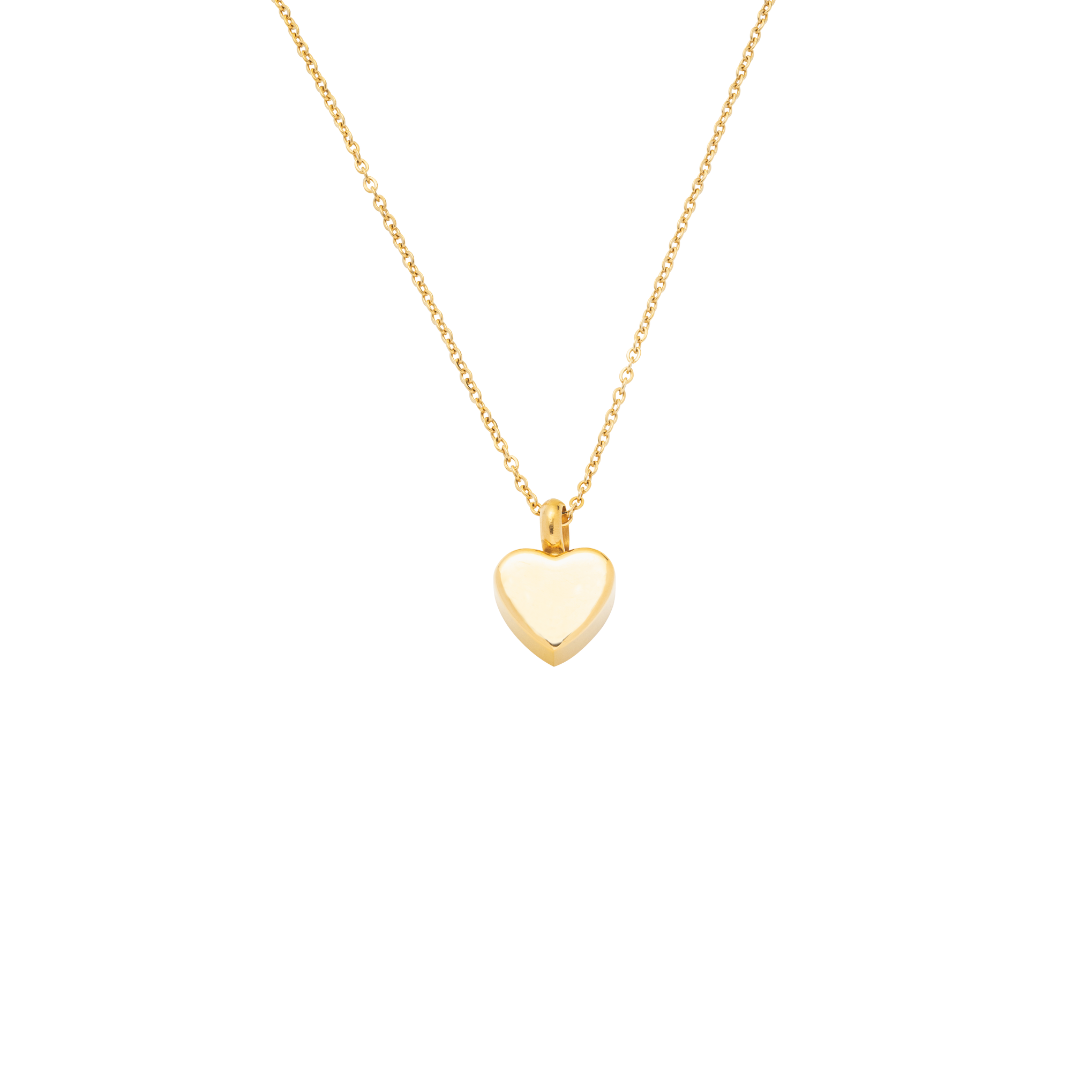 The Amore Cremation Necklace
- Regular price
-
From
$62 - Regular price
-
$95 - Sale price
-
From
$62
Quick view
-
The Bleecker Urn in Walnut
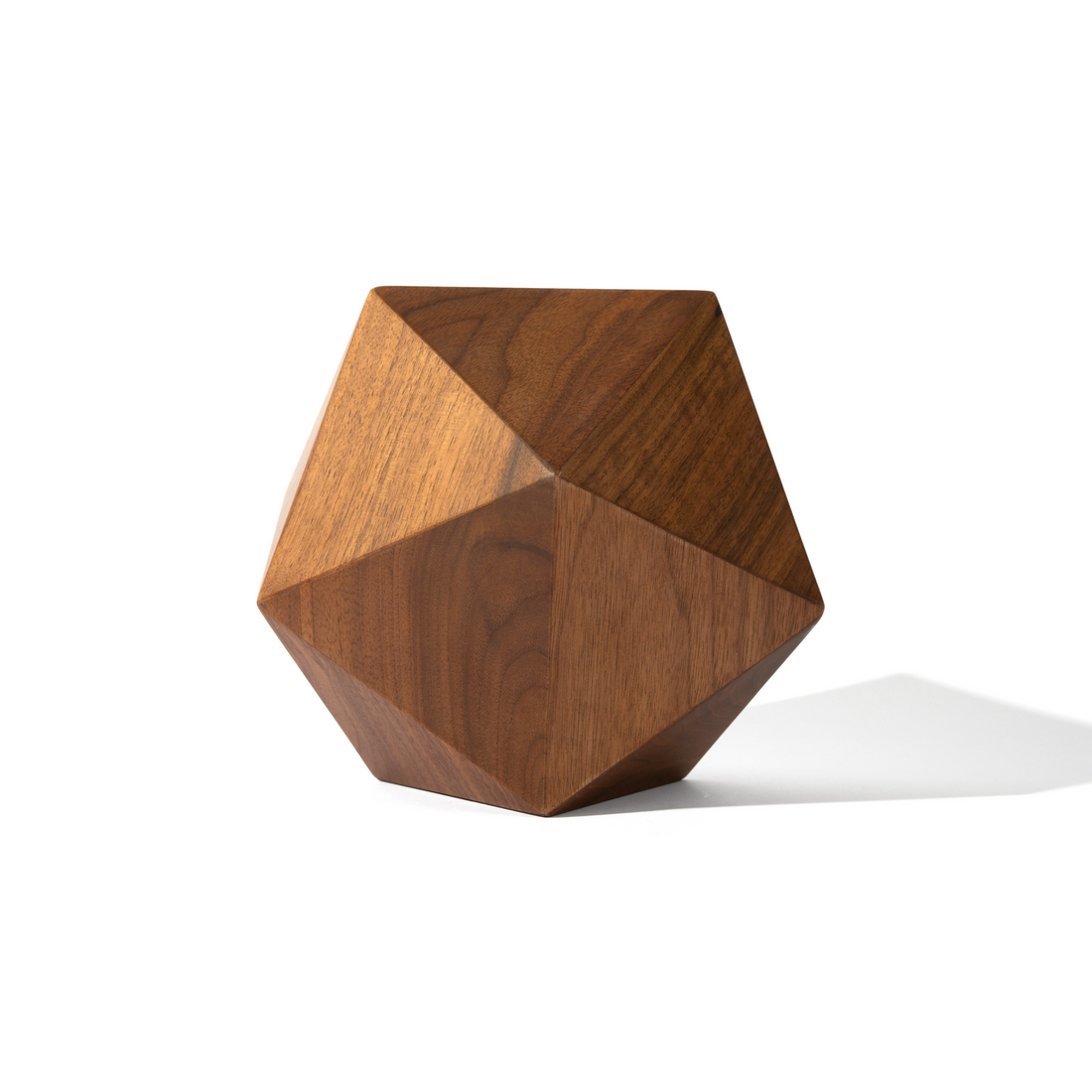 The Bleecker Urn in Walnut
- Regular price
-
From
$395 - Regular price
-
$445 - Sale price
-
From
$395
Quick view
-
The Pyramid in Vibrant Multicolor
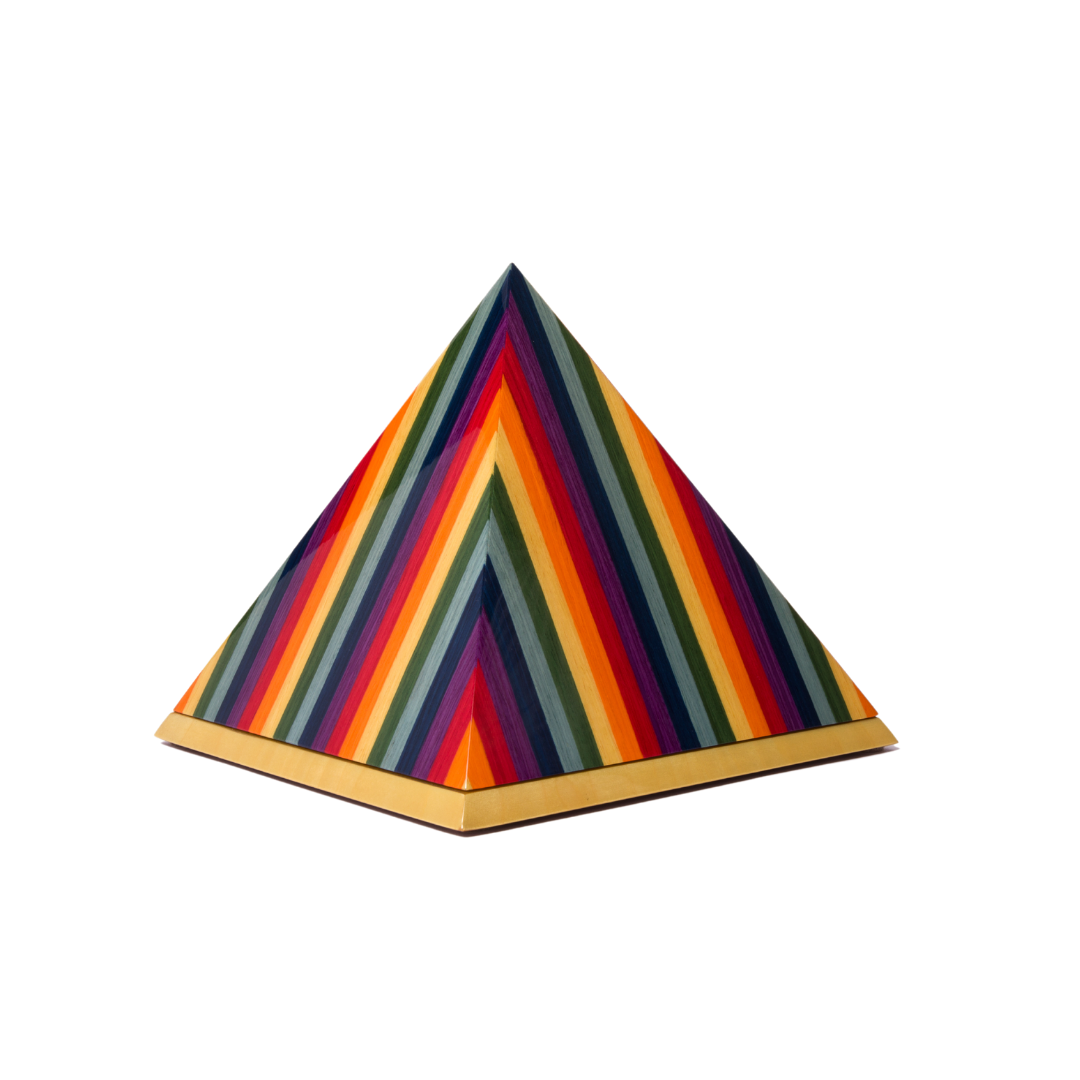 The Pyramid in Vibrant Multicolor
- Regular price
-
$495 - Regular price
-
$695 - Sale price
-
$495
Quick view
-
The Lucy Songbird Keepsake Urn in Blue
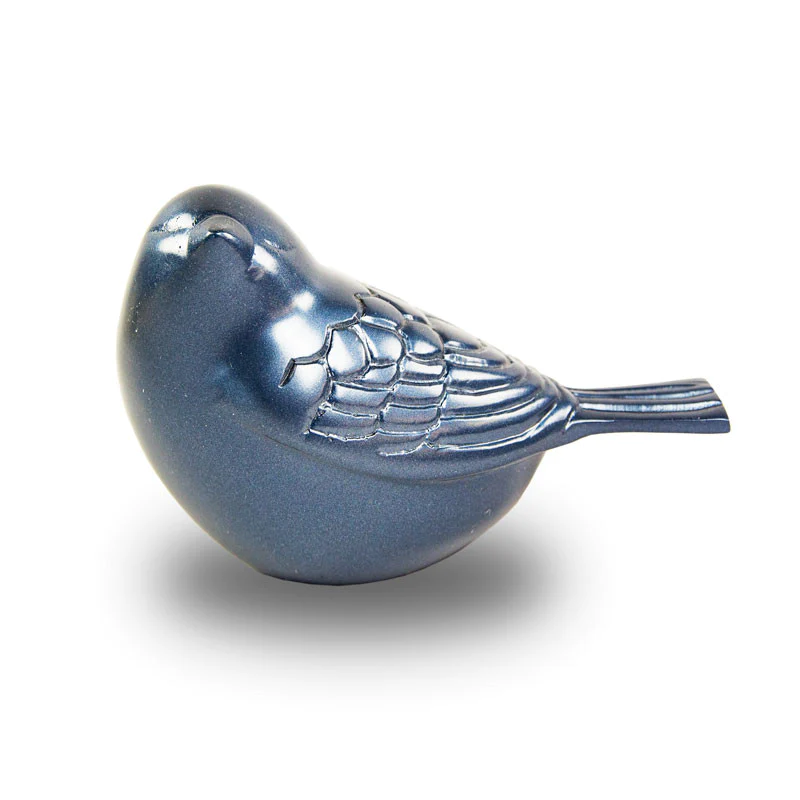 The Lucy Songbird Keepsake Urn in Blue
- Regular price
-
$165 - Regular price
-
$175 - Sale price
-
$165
Quick view
FAQs
What are the shipping options for my memorial?
Oaktree offers free nationwide shipping on all urns and cremation jewelry items, with delivery typically taking 2-5 business days, including processing time. Need it sooner? Expedited shipping (overnight or 2-day) is available at checkout for an additional cost, and we will also prioritize processing for faster delivery. If you need international shipping, please contact us first to confirm availability and rates.
How long will it take for my engraved item to arrive?
Engraved urns and cremation necklaces require an additional 1-3 business days for personalization before shipping. If you need faster delivery, please contact us—we’ll do our best to expedite processing and accommodate your timeline. Expedited shipping options are also available at checkout to ensure your memorial arrives as soon as possible.
What do I do if I never received my order?
If your order hasn’t arrived within 10 business days, please contact us so we can track your shipment and resolve any issues. We’ll ensure your memorial reaches you as soon as possible.
What do I do if I received a defective order?
If your order arrives damaged or defective, contact us right away. We take pride in our high-quality craftsmanship and will work quickly to replace or repair your item at no additional cost.
Can I return my urn or cremation necklace? What is your return policy?
Oaktree offers a 100-day return and exchange policy for non-engraved items. Due to personalization, engraved urns are final sale and cannot be returned. For full details on how to start a return or exchange, visit our Returns & Exchanges page.
How do I make changes to an urn I’ve already ordered?
If you need to modify an order, contact us as soon as possible. If your urn is already engraved, we may not be able to make changes, but we’ll do our best to accommodate your request before processing.
How are your urns made? Where do the materials come from?
Oaktree’s urns are handcrafted in the USA and Europe using sustainable, locally sourced materials. Our artisans ensure each piece is beautifully designed and built to honor your loved one’s memory with care.
How do I choose the right urn size?
Each product page includes detailed dimensions, weight capacity, and cubic inches to help you select the right urn. As a general guide, 1 cubic inch holds 1 pound of pre-cremation weight. If you need help choosing, feel free to contact us.
Some urns are marked as “sold out.” When will they be available?
Our handmade urns may take a few weeks to restock. If you’re interested in a specific style, contact us for an estimated restock date, and we’ll notify you when it’s available.
Does Oaktree place the ashes into my urn?
Yes, we offer an optional ash transfer service for an additional fee. If you’d like us to handle this process, please contact us when placing your order. You’ll need to mail the ashes to us, and we’ll carefully transfer them into your selected urn.
How do I transfer ashes into my urn?
Cremated remains typically arrive in a sealed plastic bag inside a plastic container. To transfer them, simply place the sealed bag inside your urn. If needed, use a funnel for precise placement. If you have any concerns, our team is happy to assist.
How do I order an engraved urn?
To personalize your urn, select “Yes” under “Would you like your item engraved?” on the product page. If you’d like a custom design beyond standard engraving, contact us and we’ll explore options to create a unique tribute.
Can my urn be shipped directly to a funeral home?
Yes! During checkout, you can enter the funeral home’s address for direct shipping.
Can I customize my urn beyond engraving?
Yes! In addition to engraving, we offer custom design services, including unique finishes, symbols, or artwork. If you’d like to personalize your urn beyond standard options, contact us to discuss customization possibilities.
What materials are Oaktree urns made from?
Our urns are crafted from premium materials such as wood, ceramic, marble, metal, and biodegradable materials. We focus on sustainable sourcing and high-quality craftsmanship to create lasting memorials.
Do you offer keepsake urns or mini urns?
Yes, we offer keepsake urns and mini urns, which are smaller versions designed for sharing ashes among family members or keeping a small portion as a personal tribute.
Can I pre-order an urn for future use?
Absolutely! Many customers choose to pre-order an urn in advance. This ensures availability and allows for customization without time constraints. Contact us to arrange a pre-order.
Do you offer pet urns?
Yes, we provide a range of pet memorial urns designed to honor beloved pets. These are available in different materials and sizes to suit dogs, cats, and other pets.
How do I clean and maintain my urn?
Urns require gentle care to maintain their beauty. Use a soft cloth and mild cleaner for metal or ceramic urns. Avoid direct sunlight and moisture to preserve wood urns. Contact us for specific care instructions based on your urn’s material.
Can I travel with an urn? Are they TSA-approved?
Most Oaktree urns are TSA-compliant, making them safe for air travel. Choose a non-metal urn to ensure easy screening. We recommend carrying the urn in your carry-on bag and bringing the cremation certificate from the funeral home.
How do I track my order?
Once your order ships, we’ll send you a tracking number via email. You can use this to monitor the shipment status. If you don’t receive tracking details, contact us for assistance.
How do I contact Oaktree if my question isn’t answered here?
We’re happy to assist! Visit our Contact Us page to reach us via email, chat, or phone. Our compassionate team is ready to help.