 Skip to content


Small Objects, Quiet Meaning
Healing after loss rarely arrives in grand gestures. More often, it comes through small, repeated moments—pauses that allow the heart to breathe amid grief. Gratitude stones are simple objects, yet they hold surprising depth. Smooth, weighty, and comforting to touch, they invite reflection without demanding emotion.
For many families, gratitude stones become part of daily life. They are not reminders to “be positive,” but invitations to notice—moments of steadiness, kindness, or memory that exist alongside grief. In this way, gratitude stones offer grounding rather than resolution.
Why Gratitude Matters During Grief
Gratitude during grief can feel complicated. Loss does not disappear simply because something good still exists. Gratitude stones do not ask anyone to minimize pain. Instead, they support coexistence—the idea that sorrow and appreciation can exist together.
Holding a gratitude stone can help shift attention gently, even for a moment. It offers a tactile pause, grounding the body when emotions feel overwhelming. This physical presence often feels more accessible than words, especially on difficult days.
The Power of Touch in Healing
Touch is deeply connected to emotional regulation. Smooth stones, warmed by the hand, provide a sense of stability and reassurance. Gratitude stones are often chosen for their texture and weight, offering comfort through sensation rather than symbolism alone.
Many people keep a gratitude stone in a pocket, on a bedside table, or near a place of reflection. Reaching for it becomes a familiar gesture—one that signals care without expectation.
Creating a Daily Ritual Without Pressure
One of the reasons gratitude stones resonate is their simplicity. There is no right way to use them. Some people hold a stone while taking a few slow breaths. Others place it somewhere visible as a reminder to pause. Some associate each stone with a specific memory or intention.
This flexibility makes gratitude stones especially supportive during grief, when structure can feel overwhelming. The practice adapts to emotional capacity rather than requiring consistency or progress.
Gratitude Stones as Part of Remembrance Spaces
Gratitude stones often find a place within remembrance spaces at home. Placed near photographs, an urn, or a candle, they add a tactile element to reflection. Their presence invites touch, offering an additional layer of connection.
An urn nearby provides grounding and permanence, while a gratitude stone invites movement and engagement. Keepsake urns, in particular, pair naturally with small objects like stones, creating intimate spaces where remembrance feels personal rather than formal.
Pairing Gratitude With Candlelight
Candlelight and gratitude stones often work together naturally. Lighting a candle while holding a stone can create a moment of quiet intention—one that feels gentle and contained.
Memorial candle holders support this ritual by providing a steady focal point. The flame offers warmth and continuity, while the stone offers grounding. Together, they create a simple practice that can be repeated without emotional strain.
Honoring Loved Ones Through Daily Gratitude
For some, gratitude stones become associated with a loved one’s memory. A stone may represent a shared value, a comforting presence, or a reminder of love that remains. Holding it can feel like a quiet conversation—one that does not require words.
This form of remembrance is subtle but powerful. It integrates memory into daily life without ceremony, allowing connection to surface naturally.
Supporting Healing Beyond the Home
Gratitude stones are often carried beyond the home, tucked into bags or pockets. In moments of stress, sadness, or reflection, touching the stone can bring a sense of calm and continuity.
Some people pair this practice with wearable remembrance, such as cremation jewelry. While jewelry carries memory close to the body, the stone offers grounding through touch. Together, they support healing both emotionally and physically.
Allowing the Practice to Evolve
Like grief itself, the role of gratitude stones may change over time. What begins as a daily practice may later become something returned to occasionally. This shift does not diminish its value. It reflects healing and adaptation.
Gratitude stones do not demand consistency. They remain available, waiting patiently until they are needed again.
Why Families Embrace Simple Healing Tools
Families often choose gratitude stones because they are accessible. They do not require explanation or instruction. They offer comfort without expectation and presence without pressure.
In moments when words feel heavy or rituals feel overwhelming, a simple object can offer reassurance. Gratitude stones meet people where they are, honoring emotional capacity rather than challenging it.
Gratitude as a Companion, Not a Cure
It is important to understand that gratitude stones do not “fix” grief. They do not replace mourning or accelerate healing. Instead, they offer companionship—a steady presence during an uncertain time.
This distinction matters. Healing unfolds gradually, and gratitude stones support that process gently, without imposing direction or outcome.
Integrating Gratitude Into a Broader Practice
Gratitude stones often become part of a larger approach to remembrance and healing. Alongside urns that offer permanence, keepsakes that invite closeness, candlelight that supports ritual, and jewelry that carries memory, they add a tactile, everyday element.
This layered approach allows healing to happen across moments—some quiet, some reflective, some deeply personal.
A Small Stone, A Steady Presence
Gratitude stones remind us that healing does not require transformation. It requires presence. A moment of touch. A pause in the day. A reminder that love and memory continue to exist alongside grief.
In choosing gratitude stones as part of a daily practice, families honor both loss and resilience. They acknowledge pain while creating space for steadiness.
Sometimes, the smallest objects hold the greatest comfort.


Our Best Sellers
-
The Bleecker Urn in Walnut
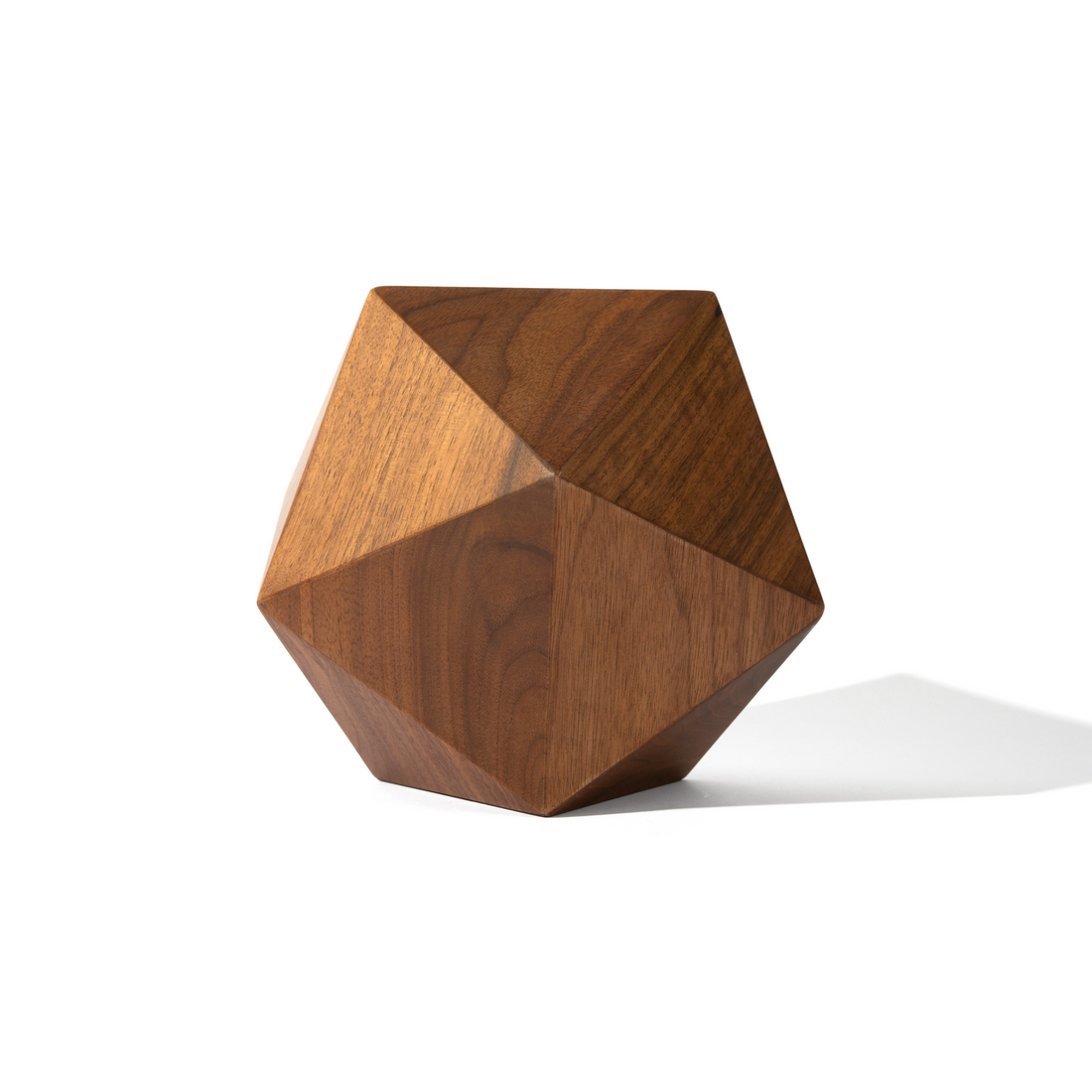 The Bleecker Urn in Walnut
- Regular price
-
From
$345 - Regular price
-
$445 - Sale price
-
From
$345
Quick view
-
The Bleecker Urn in Oak
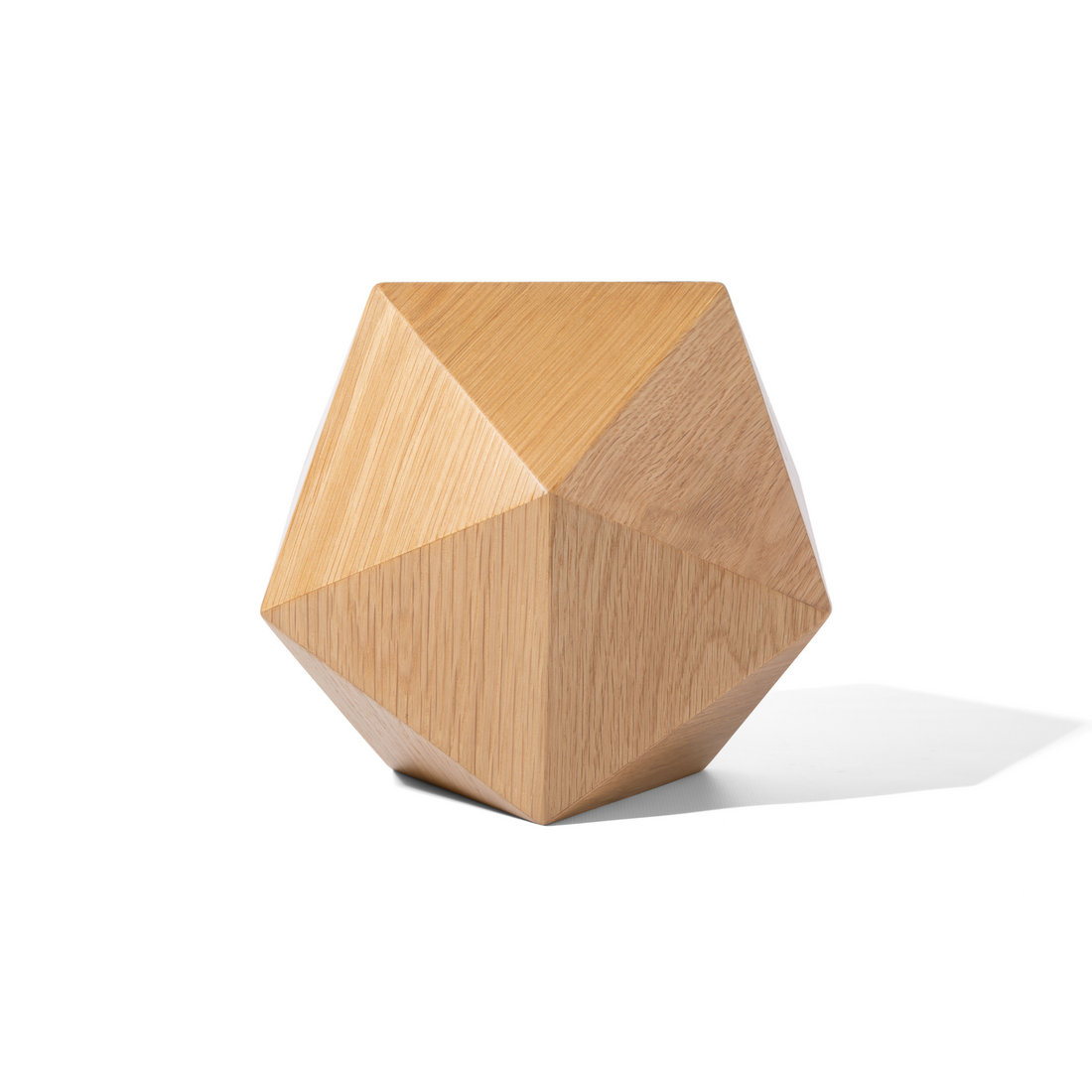 The Bleecker Urn in Oak
- Regular price
-
From
$395 - Regular price
-
$445 - Sale price
-
From
$395
Quick view
-
The Amore Cremation Necklace
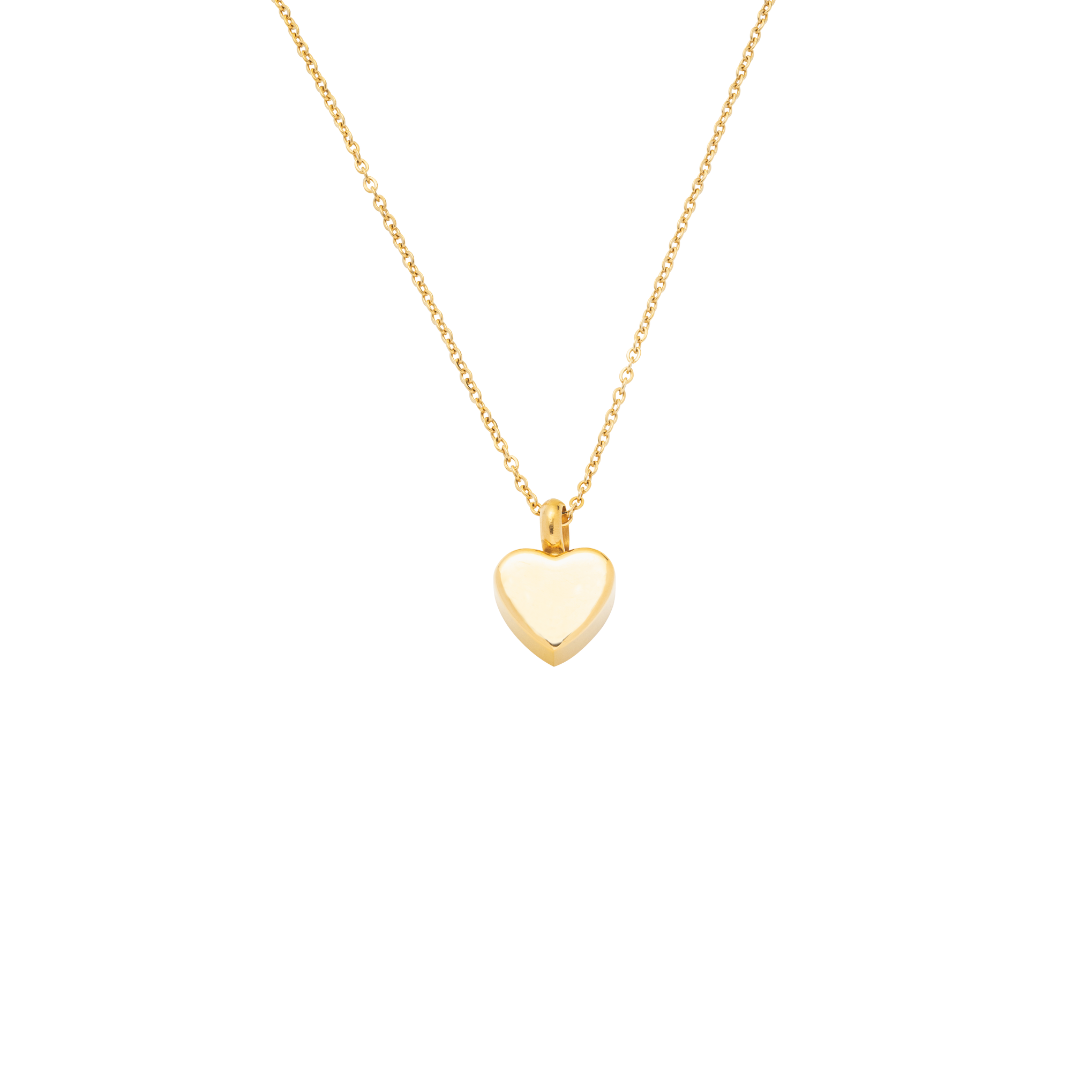 The Amore Cremation Necklace
- Regular price
-
From
$68 - Regular price
-
$95 - Sale price
-
From
$68
Quick view
-
The Tower Urn in Oak
 The Tower Urn in Oak
- Regular price
-
$75 - Regular price
-
$115 - Sale price
-
$75
Quick view

FAQs
What are the shipping options for my memorial gift?
Oaktree offers free nationwide shipping on all urns and cremation jewelry items, with delivery typically taking 2-5 business days, including processing time. Need it sooner? Expedited shipping (overnight or 2-day) is available at checkout for an additional cost, and we will also prioritize processing for faster delivery. If you need international shipping, please contact us first to confirm availability and rates.
How long will it take for my engraved item to arrive?
Engraved urns and cremation necklaces require an additional 1-3 business days for personalization before shipping. If you need faster delivery, please contact us—we’ll do our best to expedite processing and accommodate your timeline. Expedited shipping options are also available at checkout to ensure your memorial arrives as soon as possible.
What do I do if I never received my order?
If your order hasn’t arrived within 10 business days, please contact us so we can track your shipment and resolve any issues. We’ll ensure your memorial reaches you as soon as possible.
What do I do if I received a defective order?
If your order arrives damaged or defective, contact us right away. We take pride in our high-quality craftsmanship and will work quickly to replace or repair your item at no additional cost.
Can I return my urn or cremation necklace? What is your return policy?
Oaktree offers a 100-day return and exchange policy for non-engraved items. Due to personalization, engraved urns are final sale and cannot be returned. For full details on how to start a return or exchange, visit our Returns & Exchanges page.
How do I make changes to an urn I’ve already ordered?
If you need to modify an order, contact us as soon as possible. If your urn is already engraved, we may not be able to make changes, but we’ll do our best to accommodate your request before processing.
How are your urns made? Where do the materials come from?
Oaktree’s urns are handcrafted in the USA and Europe using sustainable, locally sourced materials. Our artisans ensure each piece is beautifully designed and built to honor your loved one’s memory with care.
How do I choose the right urn size?
Each product page includes detailed dimensions, weight capacity, and cubic inches to help you select the right urn. As a general guide, 1 cubic inch holds 1 pound of pre-cremation weight. If you need help choosing, feel free to contact us.
Some urns are marked as “sold out.” When will they be available?
Our handmade urns may take a few weeks to restock. If you’re interested in a specific style, contact us for an estimated restock date, and we’ll notify you when it’s available.
Does Oaktree place the ashes into my urn?
Yes, we offer an optional ash transfer service for an additional fee. If you’d like us to handle this process, please contact us when placing your order. You’ll need to mail the ashes to us, and we’ll carefully transfer them into your selected urn.
How do I transfer ashes into my urn?
Cremated remains typically arrive in a sealed plastic bag inside a plastic container. To transfer them, simply place the sealed bag inside your urn. If needed, use a funnel for precise placement. If you have any concerns, our team is happy to assist.
How do I order an engraved urn?
To personalize your urn, select “Yes” under “Would you like your item engraved?” on the product page. If you’d like a custom design beyond standard engraving, contact us and we’ll explore options to create a unique tribute.
Can my urn be shipped directly to a funeral home?
Yes! During checkout, you can enter the funeral home’s address for direct shipping.
Can I customize my urn beyond engraving?
Yes! In addition to engraving, we offer custom design services, including unique finishes, symbols, or artwork. If you’d like to personalize your urn beyond standard options, contact us to discuss customization possibilities.
What materials are Oaktree urns made from?
Our urns are crafted from premium materials such as wood, ceramic, marble, metal, and biodegradable materials. We focus on sustainable sourcing and high-quality craftsmanship to create lasting memorials.
Do you offer keepsake urns or mini urns?
Yes, we offer keepsake urns and mini urns, which are smaller versions designed for sharing ashes among family members or keeping a small portion as a personal tribute.
Can I pre-order an urn for future use?
Absolutely! Many customers choose to pre-order an urn in advance. This ensures availability and allows for customization without time constraints. Contact us to arrange a pre-order.
Do you offer pet urns?
Yes, we provide a range of pet memorial urns designed to honor beloved pets. These are available in different materials and sizes to suit dogs, cats, and other pets.
How do I clean and maintain my urn?
Urns require gentle care to maintain their beauty. Use a soft cloth and mild cleaner for metal or ceramic urns. Avoid direct sunlight and moisture to preserve wood urns. Contact us for specific care instructions based on your urn’s material.
Can I travel with an urn? Are they TSA-approved?
Most Oaktree urns are TSA-compliant, making them safe for air travel. Choose a non-metal urn to ensure easy screening. We recommend carrying the urn in your carry-on bag and bringing the cremation certificate from the funeral home.
How do I track my order?
Once your order ships, we’ll send you a tracking number via email. You can use this to monitor the shipment status. If you don’t receive tracking details, contact us for assistance.
How do I contact Oaktree if my question isn’t answered here?
We’re happy to assist! Visit our Contact Us page to reach us via email, chat, or phone. Our compassionate team is ready to help.