
Donating Hair & Personal Belongings: Transforming Loss into Compassion
|
|
Time to read: 3 min
 Skip to content

|
|
Time to read: 3 min
Grief often arrives with a quiet question: What do I do with what remains? Beyond ashes and formal memorials, families are frequently left with deeply personal belongings—hair, clothing, jewelry, handwritten notes, or everyday items infused with memory. Deciding what to do with these possessions can feel overwhelming, emotional, and deeply personal.
For many families, donating hair or personal belongings becomes a way to transform loss into compassion. These acts do not erase grief—but they allow love to move outward, offering comfort, dignity, and purpose to others. When paired thoughtfully with memorial keepsakes, donation can become part of a holistic healing journey—one that honors memory while supporting the living.
This guide explores how donating hair and personal belongings can serve as a meaningful extension of remembrance, and how Oaktree Memorials products can gently support this process.
Why Donation Can Be a Healing Choice
Donation offers a sense of continuity when loss disrupts everything else.
Families often choose to donate because it:
Creates purpose from grief
Honors generosity or values of the loved one
Provides tangible help to others
Offers a sense of release without forgetting
Giving becomes a quiet act of love.
Donating Hair as an Act of Compassion
Hair donation is often associated with illness, recovery, and dignity.
Families may choose to donate hair when:
A loved one experienced medical hair loss
Hair was saved intentionally or cut during illness
The act aligns with values of service or empathy
Hair donation transforms something deeply personal into something deeply impactful.
Emotional Considerations Before Donating Hair
Hair carries identity and intimacy.
Before donating, families should ask:
Am I emotionally ready to let this go?
Does this feel like honoring or rushing grief?
Would a keepsake bring comfort before donation?
There is no timeline—readiness matters more than intention.
Ways to Preserve Meaning Before Hair Donation
Some families find comfort in creating keepsakes before donating.
Options include:
Saving a small lock in a keepsake urn
Including hair in a memory box
Pairing donation with a written ritual or letter
Keepsakes allow memory to remain while compassion moves forward.
Donating Clothing and Personal Items
Clothing often holds everyday intimacy.
Families donate clothing because it:
Allows continued use and purpose
Reduces emotional burden of storage
Honors practical generosity
Donating clothes does not diminish love—it extends it.
Choosing Which Items to Donate
Not everything needs to be donated.
Families often:
Keep a few meaningful items
Donate everyday pieces
Release items gradually
This balance supports emotional pacing.
Transforming Belongings Into Intentional Gifts
Some families prefer purposeful donation.
This may include:
Donating professional clothing
Giving children’s items to families in need
Offering comfort items to shelters
Intentional giving adds clarity and peace.
Donating Personal Belongings Without Losing Memory
Letting go does not mean forgetting.
Memory can be preserved through:
Photos of items before donation
Written stories about meaningful pieces
Memorial objects kept at home
Memory lives beyond objects.
Creating Ritual Around Donation
Donation can be ritualized to support closure.
Families may:
Light a memorial candle before donating
Speak gratitude aloud
Write a letter expressing intention
Ritual creates emotional containment.
Supporting Donation With Memorial Keepsakes
Donation does not replace remembrance—it complements it.
Oaktree Memorials offers keepsakes that support this balance, including:
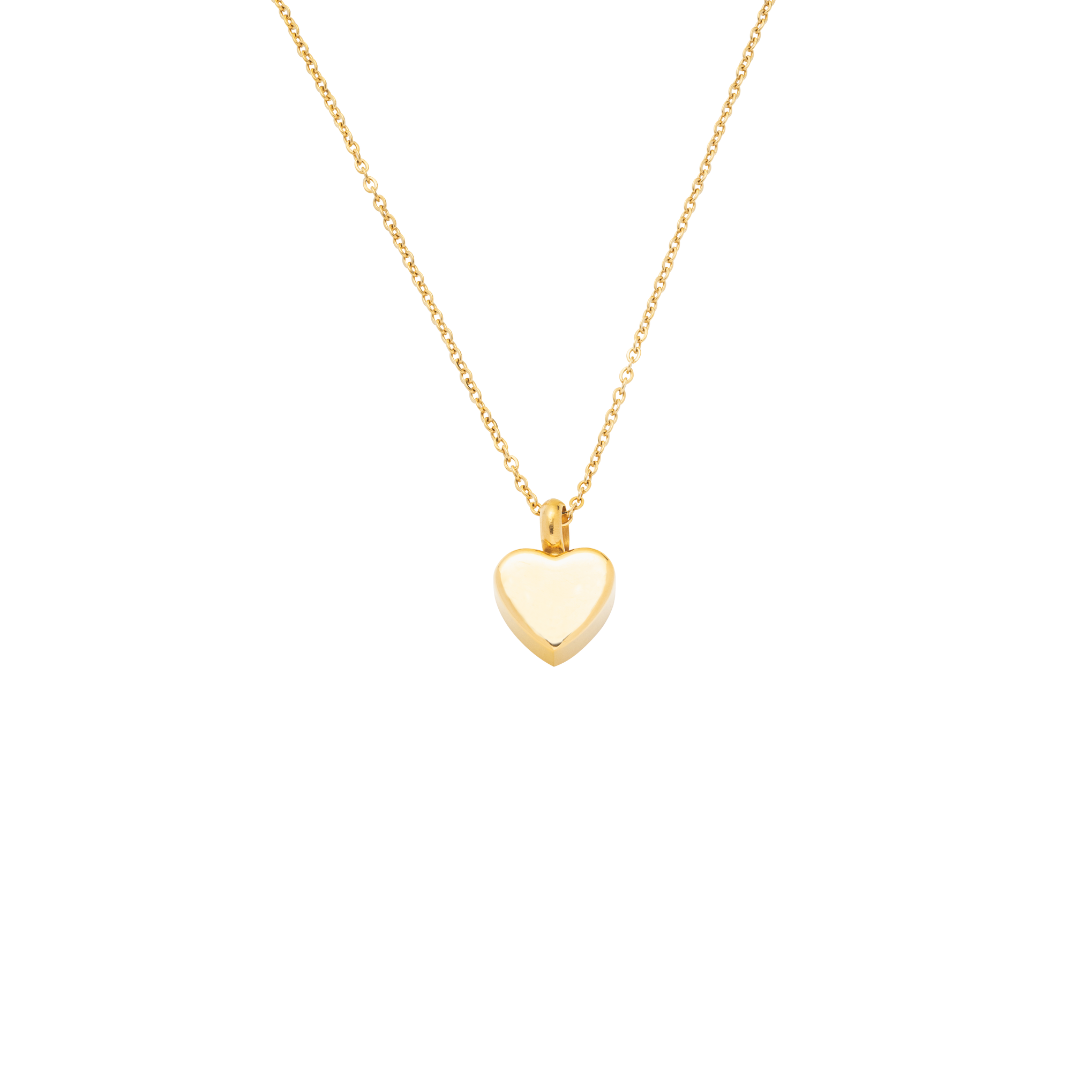
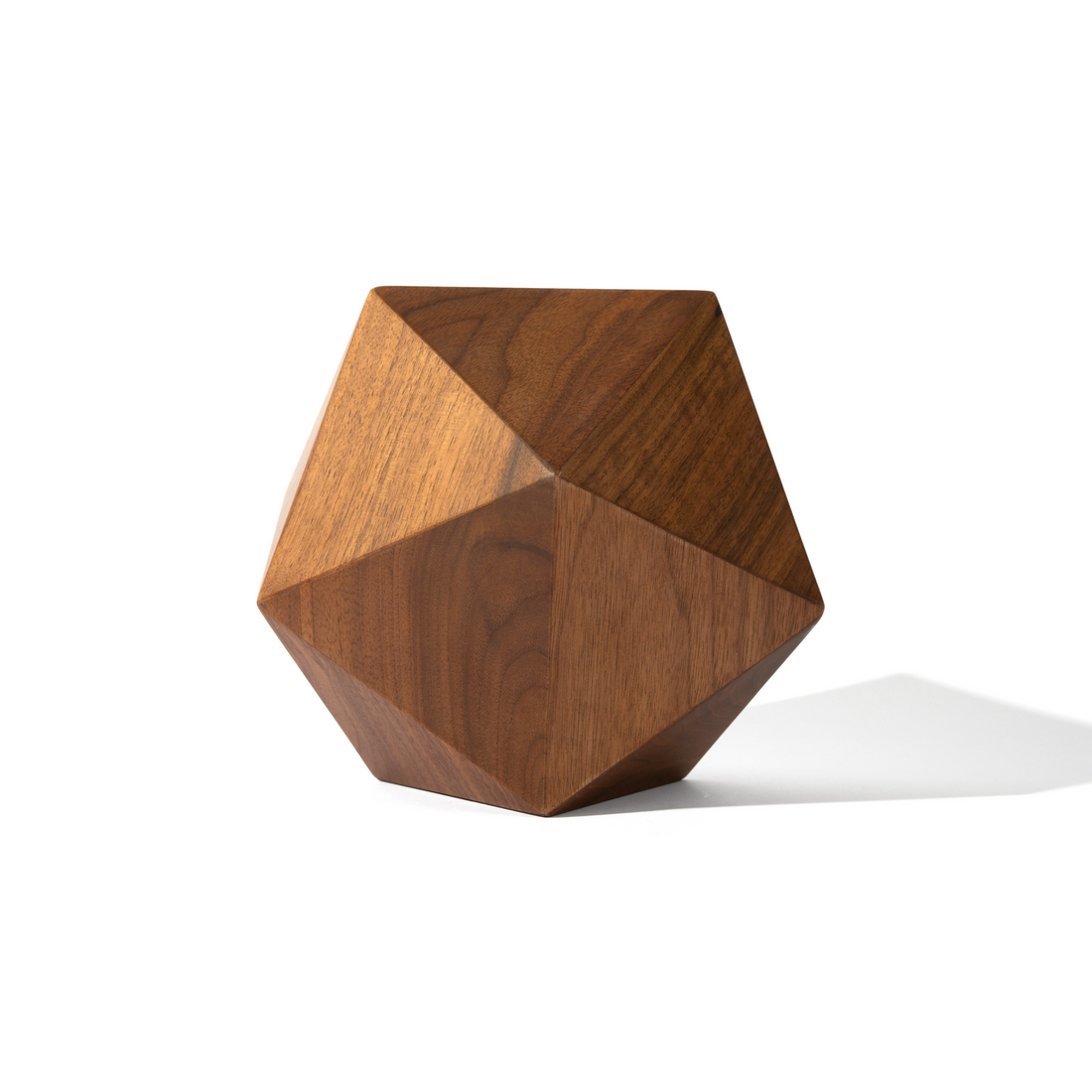
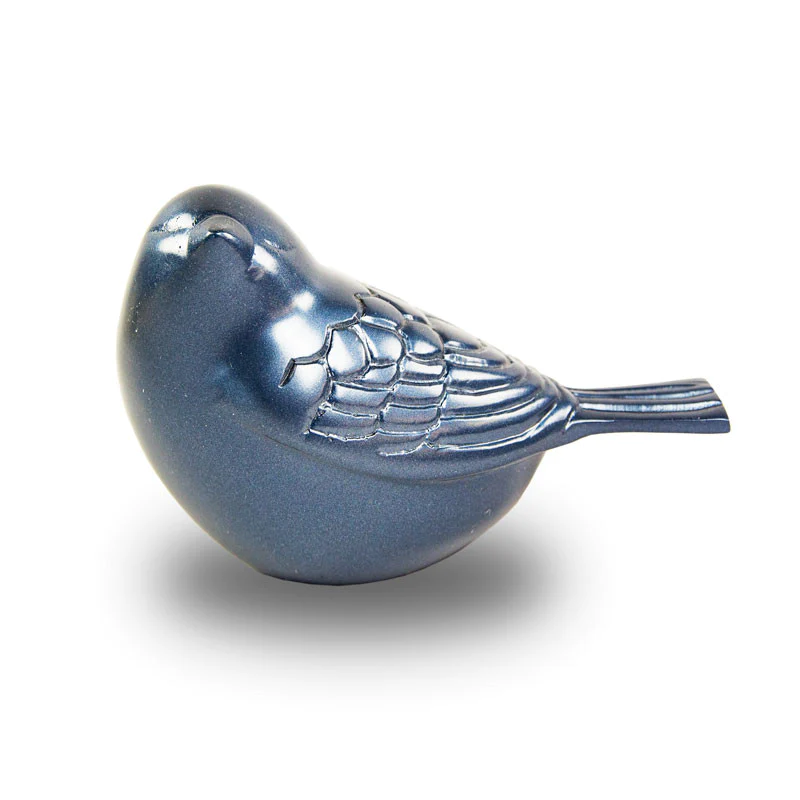
Keepsake urns for small personal items
Memorial candle holders for ritual moments
Memory boxes to hold letters or photos
These objects anchor memory while allowing generosity to flow.
Keepsake Urns for Hair or Small Personal Items
Keepsake urns are not only for ashes.
They are often used to hold:
Locks of hair
Fabric pieces
Small personal effects
This allows families to keep something tangible without holding everything.
Memory Boxes as Transitional Support
Memory boxes provide structure during sorting and donation.
Families use them to:
Hold selected keepsakes
Store letters or mementos
Create boundaries during emotional decisions
Containment supports clarity.
Memorial Candle Holders for Donation Rituals
Lighting a candle before or after donation marks the moment.
Candle holders create:
Emotional pause
Symbolic transition
Gentle closure
Light supports intention.
When Donation Is Not the Right Choice
Donation is never mandatory.
Some families choose not to donate because:
Items feel too personal
Grief feels unresolved
Cultural or spiritual beliefs differ
Choosing not to donate is equally valid.
Donation as an Ongoing Process
Donation does not need to happen all at once.
Families may:
Donate over months or years
Revisit decisions as grief evolves
Adjust based on emotional readiness
Grief is not linear.
Donation and Children
Children may want to participate.
Age-appropriate involvement includes:
Choosing items together
Explaining where items are going
Allowing children to keep one special object
Participation fosters understanding.
Balancing Compassion With Self-Care
Compassion should not come at the expense of emotional health.
Families are encouraged to:
Move slowly
Honor emotional boundaries
Seek support if overwhelmed
Self-care sustains giving.
Why Donation Can Feel Empowering
Loss often removes control.
Donation restores agency by allowing families to:
Make intentional choices
Honor values through action
Create meaning beyond loss
Agency supports healing.
Avoiding Pressure to Donate
Social expectations can create pressure.
Donation should never be driven by:
Guilt
Obligation
External judgment
Meaningful compassion is voluntary.
Donation as Part of a Larger Remembrance Plan
Donation fits beautifully alongside memorialization.
Families often combine donation with:
Memorial rituals
Both honor memory differently—but equally.
Honoring the Spirit Behind the Belongings
Ultimately, belongings are vessels of story—not the story itself.
Donation allows love to:
Extend outward
Support others
Continue its impact
Memory remains intact.
What are the shipping options for my memorial?
Oaktree offers free nationwide shipping on all urns and cremation jewelry items, with delivery typically taking 2-5 business days, including processing time. Need it sooner? Expedited shipping (overnight or 2-day) is available at checkout for an additional cost, and we will also prioritize processing for faster delivery. If you need international shipping, please contact us first to confirm availability and rates.
How long will it take for my engraved item to arrive?
Engraved urns and cremation necklaces require an additional 1-3 business days for personalization before shipping. If you need faster delivery, please contact us—we’ll do our best to expedite processing and accommodate your timeline. Expedited shipping options are also available at checkout to ensure your memorial arrives as soon as possible.
What do I do if I never received my order?
If your order hasn’t arrived within 10 business days, please contact us so we can track your shipment and resolve any issues. We’ll ensure your memorial reaches you as soon as possible.
What do I do if I received a defective order?
If your order arrives damaged or defective, contact us right away. We take pride in our high-quality craftsmanship and will work quickly to replace or repair your item at no additional cost.
Can I return my urn or cremation necklace? What is your return policy?
Oaktree offers a 100-day return and exchange policy for non-engraved items. Due to personalization, engraved urns are final sale and cannot be returned. For full details on how to start a return or exchange, visit our Returns & Exchanges page.
How do I make changes to an urn I’ve already ordered?
If you need to modify an order, contact us as soon as possible. If your urn is already engraved, we may not be able to make changes, but we’ll do our best to accommodate your request before processing.
How are your urns made? Where do the materials come from?
Oaktree’s urns are handcrafted in the USA and Europe using sustainable, locally sourced materials. Our artisans ensure each piece is beautifully designed and built to honor your loved one’s memory with care.
How do I choose the right urn size?
Each product page includes detailed dimensions, weight capacity, and cubic inches to help you select the right urn. As a general guide, 1 cubic inch holds 1 pound of pre-cremation weight. If you need help choosing, feel free to contact us.
Some urns are marked as “sold out.” When will they be available?
Our handmade urns may take a few weeks to restock. If you’re interested in a specific style, contact us for an estimated restock date, and we’ll notify you when it’s available.
Does Oaktree place the ashes into my urn?
Yes, we offer an optional ash transfer service for an additional fee. If you’d like us to handle this process, please contact us when placing your order. You’ll need to mail the ashes to us, and we’ll carefully transfer them into your selected urn.
How do I transfer ashes into my urn?
Cremated remains typically arrive in a sealed plastic bag inside a plastic container. To transfer them, simply place the sealed bag inside your urn. If needed, use a funnel for precise placement. If you have any concerns, our team is happy to assist.
How do I order an engraved urn?
To personalize your urn, select “Yes” under “Would you like your item engraved?” on the product page. If you’d like a custom design beyond standard engraving, contact us and we’ll explore options to create a unique tribute.
Can my urn be shipped directly to a funeral home?
Yes! During checkout, you can enter the funeral home’s address for direct shipping.
Can I customize my urn beyond engraving?
Yes! In addition to engraving, we offer custom design services, including unique finishes, symbols, or artwork. If you’d like to personalize your urn beyond standard options, contact us to discuss customization possibilities.
What materials are Oaktree urns made from?
Our urns are crafted from premium materials such as wood, ceramic, marble, metal, and biodegradable materials. We focus on sustainable sourcing and high-quality craftsmanship to create lasting memorials.
Do you offer keepsake urns or mini urns?
Yes, we offer keepsake urns and mini urns, which are smaller versions designed for sharing ashes among family members or keeping a small portion as a personal tribute.
Can I pre-order an urn for future use?
Absolutely! Many customers choose to pre-order an urn in advance. This ensures availability and allows for customization without time constraints. Contact us to arrange a pre-order.
Do you offer pet urns?
Yes, we provide a range of pet memorial urns designed to honor beloved pets. These are available in different materials and sizes to suit dogs, cats, and other pets.
How do I clean and maintain my urn?
Urns require gentle care to maintain their beauty. Use a soft cloth and mild cleaner for metal or ceramic urns. Avoid direct sunlight and moisture to preserve wood urns. Contact us for specific care instructions based on your urn’s material.
Can I travel with an urn? Are they TSA-approved?
Most Oaktree urns are TSA-compliant, making them safe for air travel. Choose a non-metal urn to ensure easy screening. We recommend carrying the urn in your carry-on bag and bringing the cremation certificate from the funeral home.
How do I track my order?
Once your order ships, we’ll send you a tracking number via email. You can use this to monitor the shipment status. If you don’t receive tracking details, contact us for assistance.
How do I contact Oaktree if my question isn’t answered here?
We’re happy to assist! Visit our Contact Us page to reach us via email, chat, or phone. Our compassionate team is ready to help.


