 Skip to content


The winter solstice marks the longest night of the year—a moment when darkness reaches its deepest point before light slowly returns. Across cultures and centuries, this turning point has carried powerful meaning. It reminds us that darkness is not an ending, but a pause. A necessary stillness before renewal begins.
For those navigating grief, loss, or emotional transition, the winter solstice can feel especially resonant. It mirrors the internal experience of mourning—quiet, heavy, reflective—while gently offering hope that light will return, even if slowly.
This guide explores winter solstice rituals that embrace both darkness and light, offering grounding, remembrance, and gentle renewal during one of the most symbolic times of the year.
Why the Winter Solstice Feels Emotionally Significant
The solstice invites stillness. Unlike holidays filled with noise and expectation, it asks us to slow down and acknowledge what has been difficult.
Many people feel drawn to the solstice because it:
-
Honors quiet rather than celebration
-
Validates rest and reflection
-
Acknowledges darkness without fear
-
Symbolizes gradual healing
For those grieving, the solstice doesn’t rush positivity—it allows space for truth.
Embracing Darkness Without Judgment
Modern culture often encourages us to escape discomfort quickly. The winter solstice offers an alternative: permission to sit with what feels heavy.
Embracing darkness can mean:
-
Acknowledging grief without fixing it
-
Accepting fatigue or sadness
-
Allowing emotions to surface naturally
-
Letting go of forced cheer
Darkness, in this context, becomes a teacher rather than something to avoid.
Creating a Solstice Candle Ritual
One of the most meaningful solstice rituals is lighting a candle in intentional silence.
A simple candle ritual may include:
-
Turning off overhead lights
-
Sitting quietly with the flame
-
Naming what has been lost or released
-
Holding space without expectation
The flame becomes a symbol of continuity—a reminder that light exists even when it feels distant.
Using Fire as a Symbol of Transformation
Fire has long represented transformation. During the solstice, it can help externalize emotional release.
Some people choose to:
-
Write down burdens and safely burn the paper
-
Sit near a fireplace or outdoor fire pit
-
Reflect on what they’re ready to leave behind
This ritual allows grief to move—without being erased.
Honoring Loved Ones During the Solstice
The winter solstice can be a meaningful time to remember those who are no longer present.
Remembrance rituals might include:
-
Lighting a candle for each loved one
-
Placing photos nearby
-
Saying names aloud or in silence
-
Writing letters of remembrance
These acts acknowledge that love continues—even in absence.
Creating a Solstice Memory Space
Many families find comfort in creating a temporary solstice altar or memory corner.
This space may include:
-
Natural elements like pine, stone, or wood
-
Photos or small keepsakes
-
Written intentions or reflections
A memory space grounds remembrance in the physical world.
Nature-Based Solstice Rituals
The solstice is deeply connected to nature. Spending time outdoors—even briefly—can offer grounding.
Nature-based rituals include:
-
Walking at dusk
-
Standing under the night sky
-
Collecting natural objects
-
Listening to winter silence
These moments remind us that cycles continue beyond our individual grief.
Welcoming the Return of Light Gently
While the solstice marks darkness, it also signals change. The return of light begins quietly—almost imperceptibly.
Welcoming light can be as subtle as:
-
Setting a small intention for the coming weeks
-
Writing what you hope to nurture
-
Lighting a second candle to symbolize growth
This isn’t about optimism—it’s about openness.
Solstice Journaling for Emotional Release
Writing during the solstice allows thoughts to settle without pressure.
Helpful journaling prompts include:
-
What has this season taught me?
-
What feels heavy right now?
-
What am I ready to release?
-
What light do I want to invite—slowly?
There is no need for resolution—only honesty.
Solstice Rituals for Families
Families experiencing shared grief may find comfort in simple, collective rituals.
Ideas include:
-
Sitting together in candlelight
-
Sharing memories without discussion pressure
-
Allowing children to participate quietly
Shared silence can be as meaningful as shared words.
Supporting Children Through Solstice Rituals
Children often respond well to symbolic rituals.
Gentle solstice activities for children include:
-
Lighting a candle together
-
Talking about light returning
-
Creating simple drawings or keepsakes
These rituals help children process loss without overwhelming explanation.
Letting the Solstice Be What It Is
Not every ritual needs to feel profound. Some solstices will feel heavy. Others may feel calm—or nothing at all.
Allowing the solstice to be what it is means:
-
Releasing expectations
-
Honoring your emotional capacity
-
Trusting that meaning unfolds over time
There is no “right” way to mark this moment.
How Solstice Rituals Support Long-Term Healing
Solstice rituals don’t resolve grief—but they support it.
Over time, families often find these rituals:
-
Create emotional continuity
-
Offer grounding during anniversaries
-
Become anchors during winter months
The ritual evolves as grief evolves.
Balancing Darkness and Light Within Grief
Grief contains both darkness and light. The solstice teaches us that these forces coexist.
Light doesn’t eliminate darkness—it grows alongside it.
This balance mirrors healing itself.
Allowing Ritual to Replace Obligation
One of the gifts of solstice rituals is freedom from expectation.
There is no guest list. No schedule. No requirement to explain.
Only presence.
Why the Solstice Resonates So Deeply With Grief
The solstice validates what grief already knows: that darkness has value, and that light returns in its own time.
It offers permission to rest without guilt—and to hope without urgency.


Our Best Sellers
-
The Amore Cremation Necklace
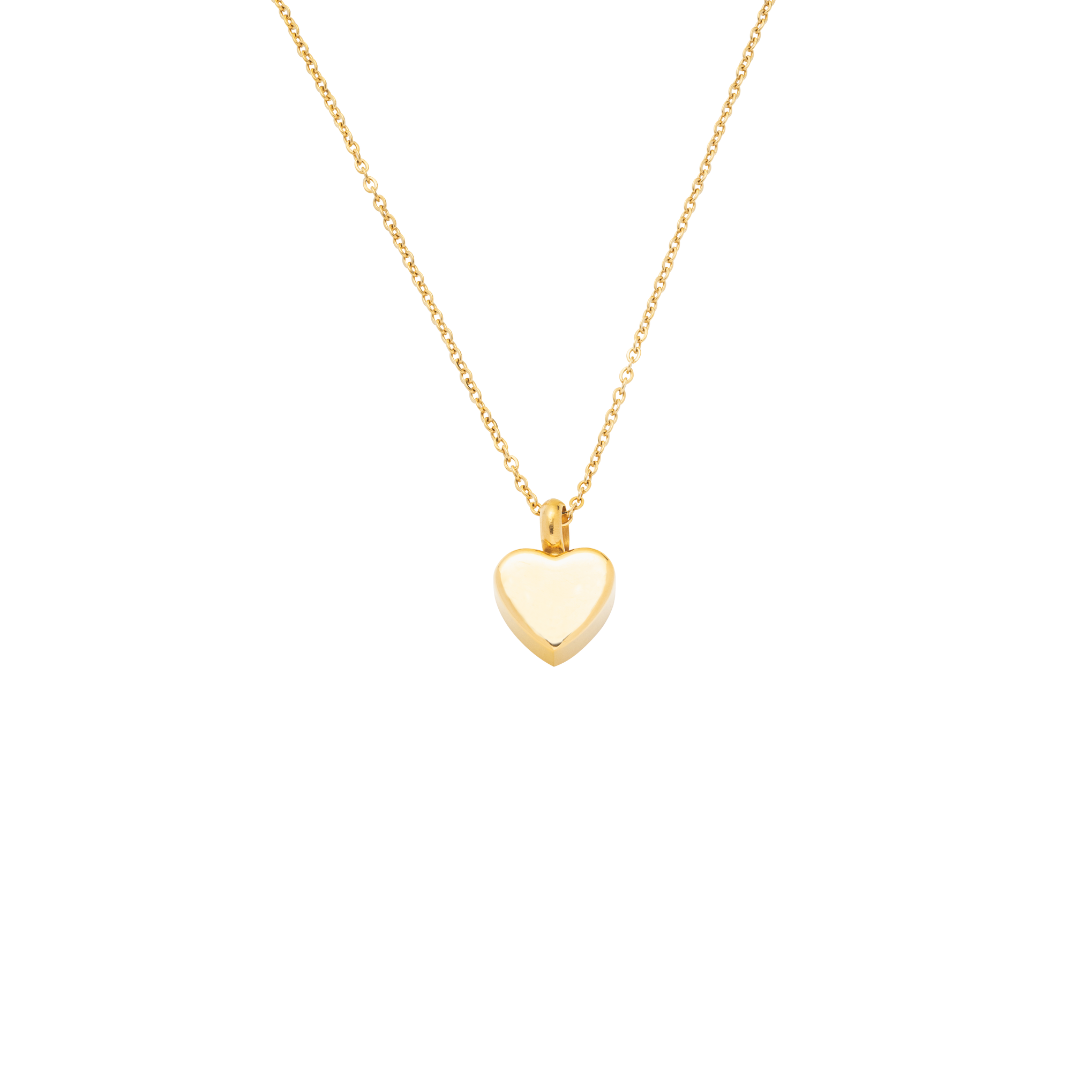 The Amore Cremation Necklace
- Regular price
-
From
$62 - Regular price
-
$95 - Sale price
-
From
$62
Quick view
-
The Bleecker Urn in Walnut
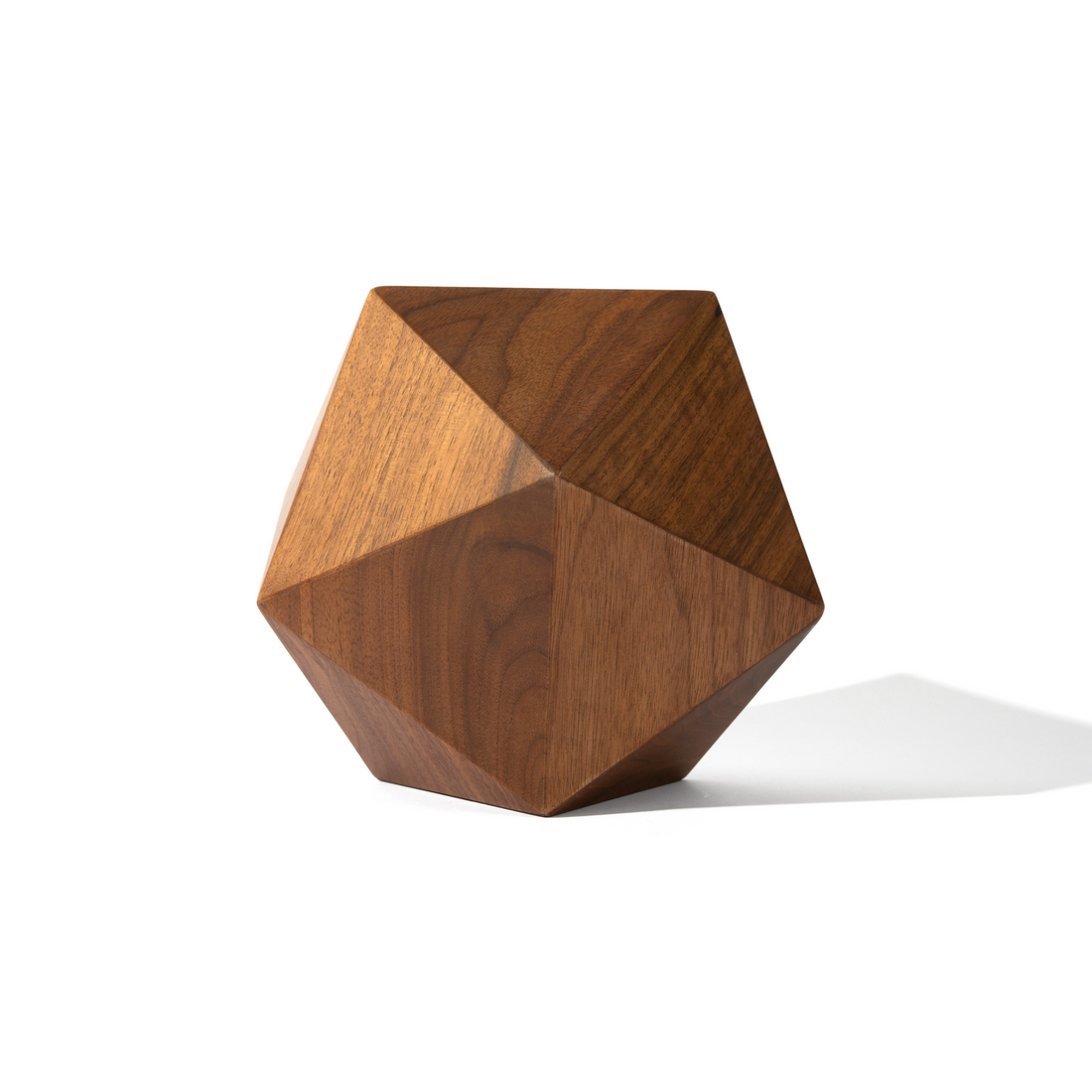 The Bleecker Urn in Walnut
- Regular price
-
From
$395 - Regular price
-
$445 - Sale price
-
From
$395
Quick view
-
The Pyramid in Vibrant Multicolor
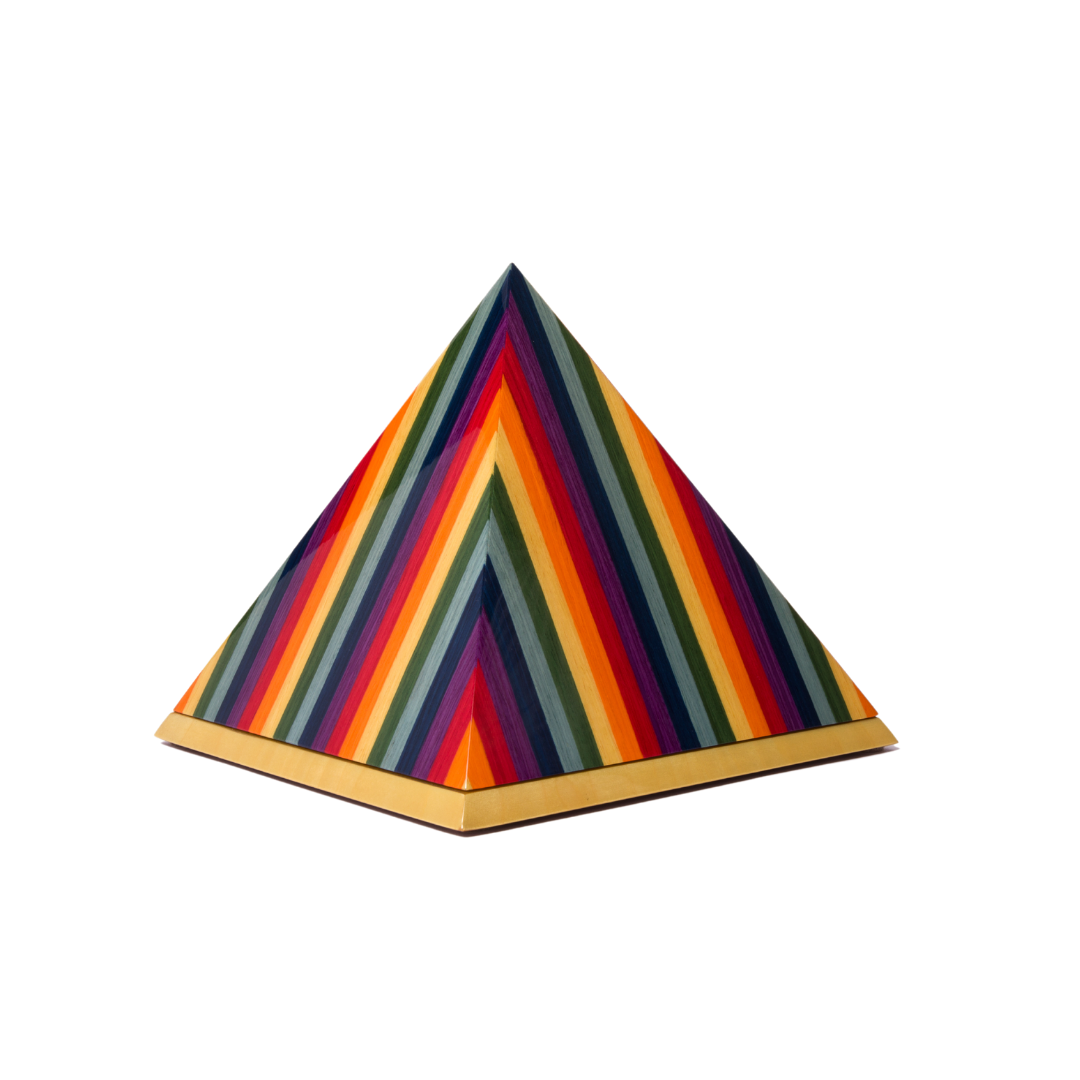 The Pyramid in Vibrant Multicolor
- Regular price
-
$495 - Regular price
-
$695 - Sale price
-
$495
Quick view
-
The Lucy Songbird Keepsake Urn in Blue
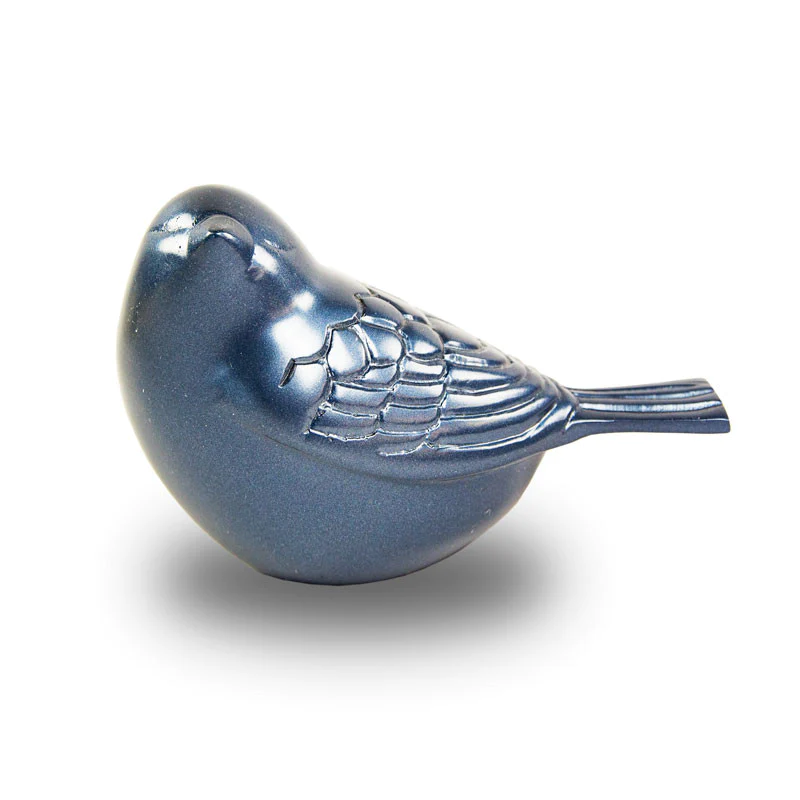 The Lucy Songbird Keepsake Urn in Blue
- Regular price
-
$165 - Regular price
-
$175 - Sale price
-
$165
Quick view
FAQs
What are the shipping options for my memorial?
Oaktree offers free nationwide shipping on all urns and cremation jewelry items, with delivery typically taking 2-5 business days, including processing time. Need it sooner? Expedited shipping (overnight or 2-day) is available at checkout for an additional cost, and we will also prioritize processing for faster delivery. If you need international shipping, please contact us first to confirm availability and rates.
How long will it take for my engraved item to arrive?
Engraved urns and cremation necklaces require an additional 1-3 business days for personalization before shipping. If you need faster delivery, please contact us—we’ll do our best to expedite processing and accommodate your timeline. Expedited shipping options are also available at checkout to ensure your memorial arrives as soon as possible.
What do I do if I never received my order?
If your order hasn’t arrived within 10 business days, please contact us so we can track your shipment and resolve any issues. We’ll ensure your memorial reaches you as soon as possible.
What do I do if I received a defective order?
If your order arrives damaged or defective, contact us right away. We take pride in our high-quality craftsmanship and will work quickly to replace or repair your item at no additional cost.
Can I return my urn or cremation necklace? What is your return policy?
Oaktree offers a 100-day return and exchange policy for non-engraved items. Due to personalization, engraved urns are final sale and cannot be returned. For full details on how to start a return or exchange, visit our Returns & Exchanges page.
How do I make changes to an urn I’ve already ordered?
If you need to modify an order, contact us as soon as possible. If your urn is already engraved, we may not be able to make changes, but we’ll do our best to accommodate your request before processing.
How are your urns made? Where do the materials come from?
Oaktree’s urns are handcrafted in the USA and Europe using sustainable, locally sourced materials. Our artisans ensure each piece is beautifully designed and built to honor your loved one’s memory with care.
How do I choose the right urn size?
Each product page includes detailed dimensions, weight capacity, and cubic inches to help you select the right urn. As a general guide, 1 cubic inch holds 1 pound of pre-cremation weight. If you need help choosing, feel free to contact us.
Some urns are marked as “sold out.” When will they be available?
Our handmade urns may take a few weeks to restock. If you’re interested in a specific style, contact us for an estimated restock date, and we’ll notify you when it’s available.
Does Oaktree place the ashes into my urn?
Yes, we offer an optional ash transfer service for an additional fee. If you’d like us to handle this process, please contact us when placing your order. You’ll need to mail the ashes to us, and we’ll carefully transfer them into your selected urn.
How do I transfer ashes into my urn?
Cremated remains typically arrive in a sealed plastic bag inside a plastic container. To transfer them, simply place the sealed bag inside your urn. If needed, use a funnel for precise placement. If you have any concerns, our team is happy to assist.
How do I order an engraved urn?
To personalize your urn, select “Yes” under “Would you like your item engraved?” on the product page. If you’d like a custom design beyond standard engraving, contact us and we’ll explore options to create a unique tribute.
Can my urn be shipped directly to a funeral home?
Yes! During checkout, you can enter the funeral home’s address for direct shipping.
Can I customize my urn beyond engraving?
Yes! In addition to engraving, we offer custom design services, including unique finishes, symbols, or artwork. If you’d like to personalize your urn beyond standard options, contact us to discuss customization possibilities.
What materials are Oaktree urns made from?
Our urns are crafted from premium materials such as wood, ceramic, marble, metal, and biodegradable materials. We focus on sustainable sourcing and high-quality craftsmanship to create lasting memorials.
Do you offer keepsake urns or mini urns?
Yes, we offer keepsake urns and mini urns, which are smaller versions designed for sharing ashes among family members or keeping a small portion as a personal tribute.
Can I pre-order an urn for future use?
Absolutely! Many customers choose to pre-order an urn in advance. This ensures availability and allows for customization without time constraints. Contact us to arrange a pre-order.
Do you offer pet urns?
Yes, we provide a range of pet memorial urns designed to honor beloved pets. These are available in different materials and sizes to suit dogs, cats, and other pets.
How do I clean and maintain my urn?
Urns require gentle care to maintain their beauty. Use a soft cloth and mild cleaner for metal or ceramic urns. Avoid direct sunlight and moisture to preserve wood urns. Contact us for specific care instructions based on your urn’s material.
Can I travel with an urn? Are they TSA-approved?
Most Oaktree urns are TSA-compliant, making them safe for air travel. Choose a non-metal urn to ensure easy screening. We recommend carrying the urn in your carry-on bag and bringing the cremation certificate from the funeral home.
How do I track my order?
Once your order ships, we’ll send you a tracking number via email. You can use this to monitor the shipment status. If you don’t receive tracking details, contact us for assistance.
How do I contact Oaktree if my question isn’t answered here?
We’re happy to assist! Visit our Contact Us page to reach us via email, chat, or phone. Our compassionate team is ready to help.