 Skip to content


The beginning of a new year often invites reflection—on what we’ve lost, what we’ve learned, and what still deserves attention. For those honoring a loved one or navigating grief, daily practices can feel daunting. A DIY memory calendar offers a gentle alternative: a simple, meaningful way to acknowledge memory, gratitude, and small joys—one day at a time.
Unlike traditional planners built around productivity, a memory calendar is emotional rather than logistical. It asks only one thing of you each day: notice something worth remembering. That single act can bring comfort, grounding, and a sense of continuity throughout the year.
This guide explores how to create a DIY memory calendar that feels nurturing rather than demanding—and how it can become a quiet companion through the seasons ahead.
What Makes a Memory Calendar Different
A memory calendar isn’t about tracking events or deadlines. It’s about documenting moments—especially the ones that might otherwise slip away.
Each daily entry can be as brief as a word or as detailed as a paragraph. Over time, the calendar becomes a reflection of lived experience rather than scheduled obligations.
Entries might include:
-
A memory that surfaced unexpectedly
-
A moment of peace or gratitude
-
A thought about a loved one
-
A sensory detail like a smell or sound
-
A word that captures the day’s emotional tone
There’s no right or wrong way to use it—only what feels honest.
Why Daily Memory Practices Matter
Grief often feels overwhelming because it arrives without structure. A memory calendar introduces rhythm without rigidity.
This daily practice can:
-
Provide emotional grounding
-
Encourage mindfulness
-
Normalize remembrance outside anniversaries
-
Offer an outlet for reflection
-
Reduce pressure to “be okay”
Writing even one sentence creates a pause—an invitation to acknowledge what matters without trying to fix anything.
Balancing Remembrance With Joy
A memory calendar doesn’t need to focus solely on loss. In fact, its power lies in balance.
Some days will center on remembrance. Others may capture joy, gratitude, or simple moments of calm. Both belong.
Examples of balance might include:
-
Remembering a shared joke one day
-
Noting a beautiful sky the next
-
Writing a loved one’s name without explanation
-
Recording a quiet moment of laughter
This approach reflects real life—where grief and joy often coexist.
Choosing a Calendar Format That Feels Sustainable
The best format is one you’ll actually use. Choose something that feels approachable, not intimidating.
Popular DIY options include:
-
A large wall calendar with writing space
-
A small daily desk calendar
-
A notebook divided by date
-
Printable pages in a binder
-
A digital document or notes app
If you enjoy handwriting, paper formats may feel grounding. If you prefer convenience, digital works just as well.
Designing a Simple DIY Template
You don’t need a complex layout. Simplicity supports consistency.
Easy template ideas include:
-
One blank line per day
-
Three prompts: memory, gratitude, feeling
-
A single word space
-
A checkbox for “remembered,” “grateful,” or “present”
-
A small square for a doodle or symbol
The goal is to reduce friction—making it easy to return, even on hard days.
Setting a Compassionate Intention
Before starting, set an intention for how you’ll approach the calendar.
Helpful intentions include:
-
“I will write what I can.”
-
“Blank days are allowed.”
-
“This calendar exists to support me.”
Releasing expectations allows the practice to remain comforting rather than stressful.
Daily Prompts to Spark Reflection
On days when writing feels difficult, prompts can help.
Consider prompts like:
-
Something I noticed today
-
A memory that came to mind
-
A moment of calm
-
A word that fits today
-
A sound, scent, or image I remember
-
Something I’m grateful for
You don’t need to answer the same prompt every day. Variety keeps the practice flexible.
Honoring Loved Ones Naturally Throughout the Year
A memory calendar allows loved ones to be remembered organically—not just on significant dates.
You might:
-
Write their name when you think of them
-
Note when something reminds you of them
-
Reflect on a lesson they taught
-
Capture moments when their presence felt close
This ongoing remembrance helps memory feel integrated rather than confined.
Turning the Calendar Into a Gentle Ritual
Many people find comfort in consistency. Writing at the same time each day can transform the calendar into a ritual.
Possible routines include:
-
Reflecting before bed
-
Writing during morning quiet
-
Pausing during afternoon tea
-
Ending the day with a single word
Ritual creates emotional safety—a familiar moment you can return to.
Sharing the Practice With Family
A memory calendar can also be shared.
Families may choose to:
-
Keep a shared calendar
-
Rotate daily entries
-
Invite children to draw or write
-
Reflect together weekly
Shared practices honor collective memory while allowing individual expression.
Adding Creative Elements
Creativity can deepen emotional connection.
Optional creative additions include:
-
Colored pens or markers
-
Stickers or symbols
-
Pressed flowers
-
Photos or clippings
-
Simple drawings
Creativity offers expression beyond words—especially helpful when emotions feel complex.
Handling Gaps Without Guilt
Missing days is normal. A memory calendar should never feel like a chore.
If you miss days:
-
Leave them blank
-
Write a short summary later
-
Simply continue where you are
Presence matters more than completion.
Reflecting at the End of the Year
At year’s end, reviewing your calendar can be powerful.
You may notice:
-
Emotional patterns
-
Moments of growth
-
Recurring themes
-
Evidence of resilience
Reflection often reveals how much love and meaning exists—even in difficult years.
Why Memory Calendars Resonate
Families are drawn to memory calendars because they are:
-
Simple and accessible
-
Emotionally gentle
-
Creative and personal
-
Easy to adapt
-
Deeply human
They don’t ask for productivity—only presence.
Allowing the Practice to Evolve
Your relationship with the calendar may change. Some months may be full, others quiet.
That’s okay.
The calendar reflects real life—not perfection.


Our Best Sellers
-
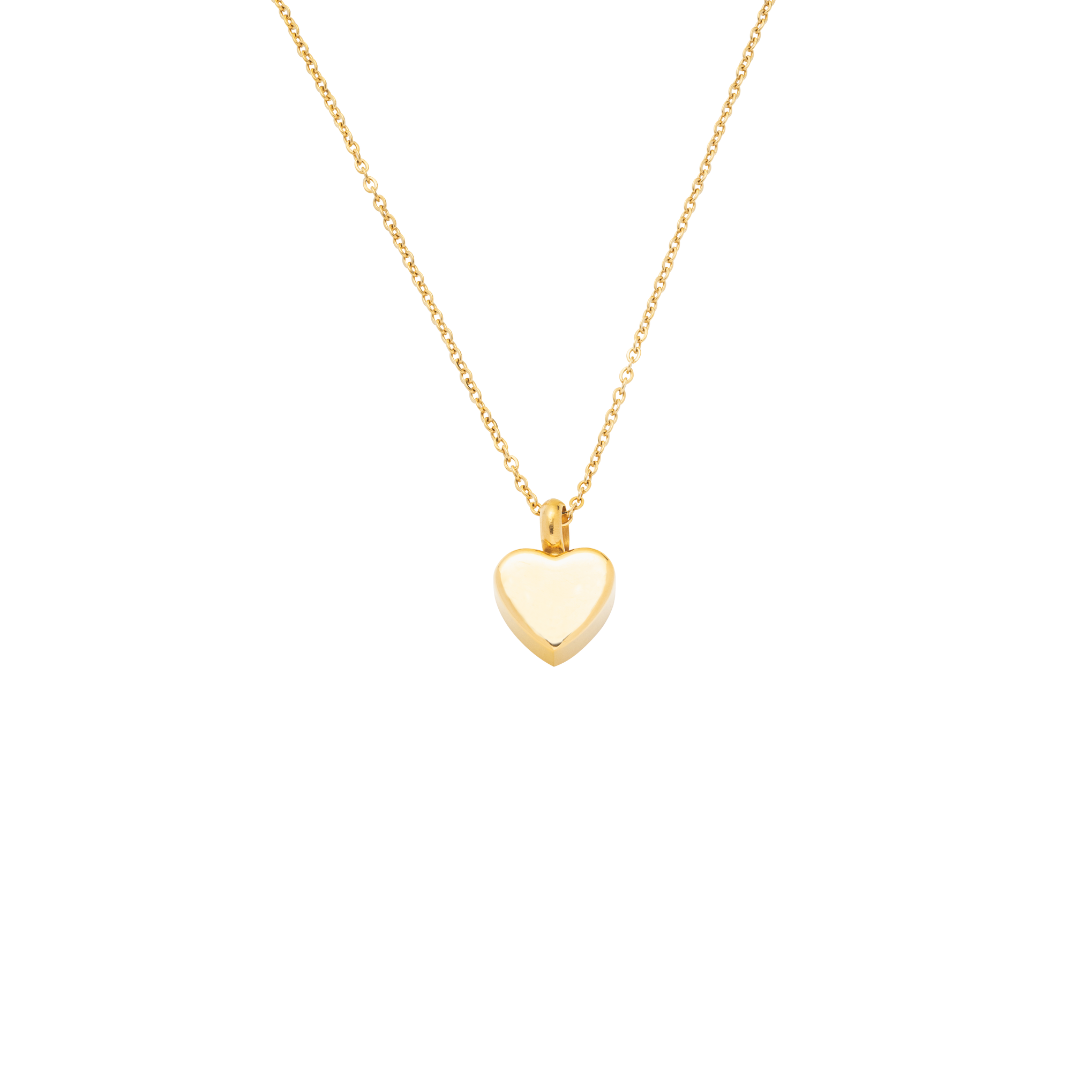
The Amore Cremation Necklace
 The Amore Cremation Necklace
- Regular price
-
From
$62 - Regular price
-
$95 - Sale price
-
From
$62
Quick view
-
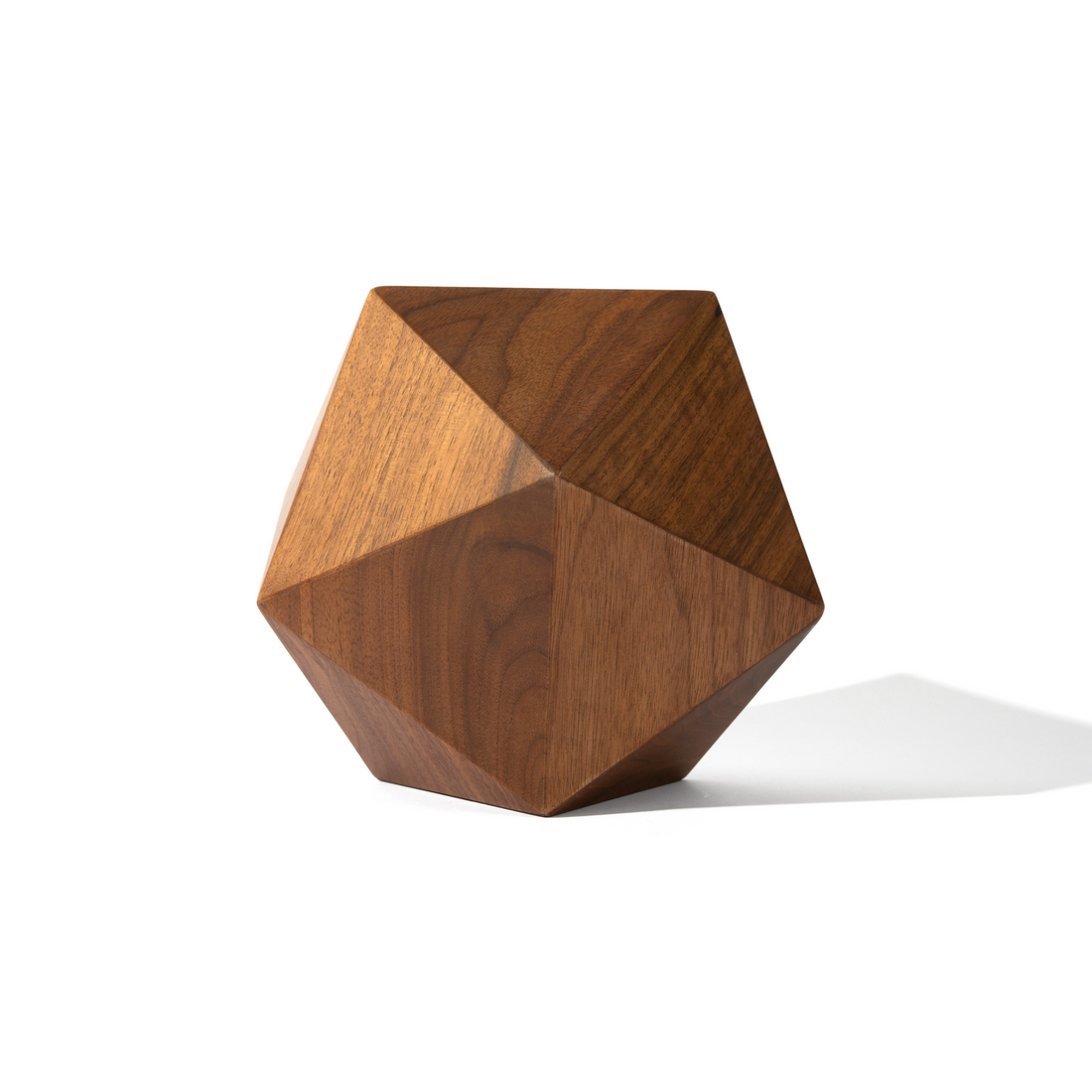
The Bleecker Urn in Walnut
 The Bleecker Urn in Walnut
- Regular price
-
From
$395 - Regular price
-
$445 - Sale price
-
From
$395
Quick view
-
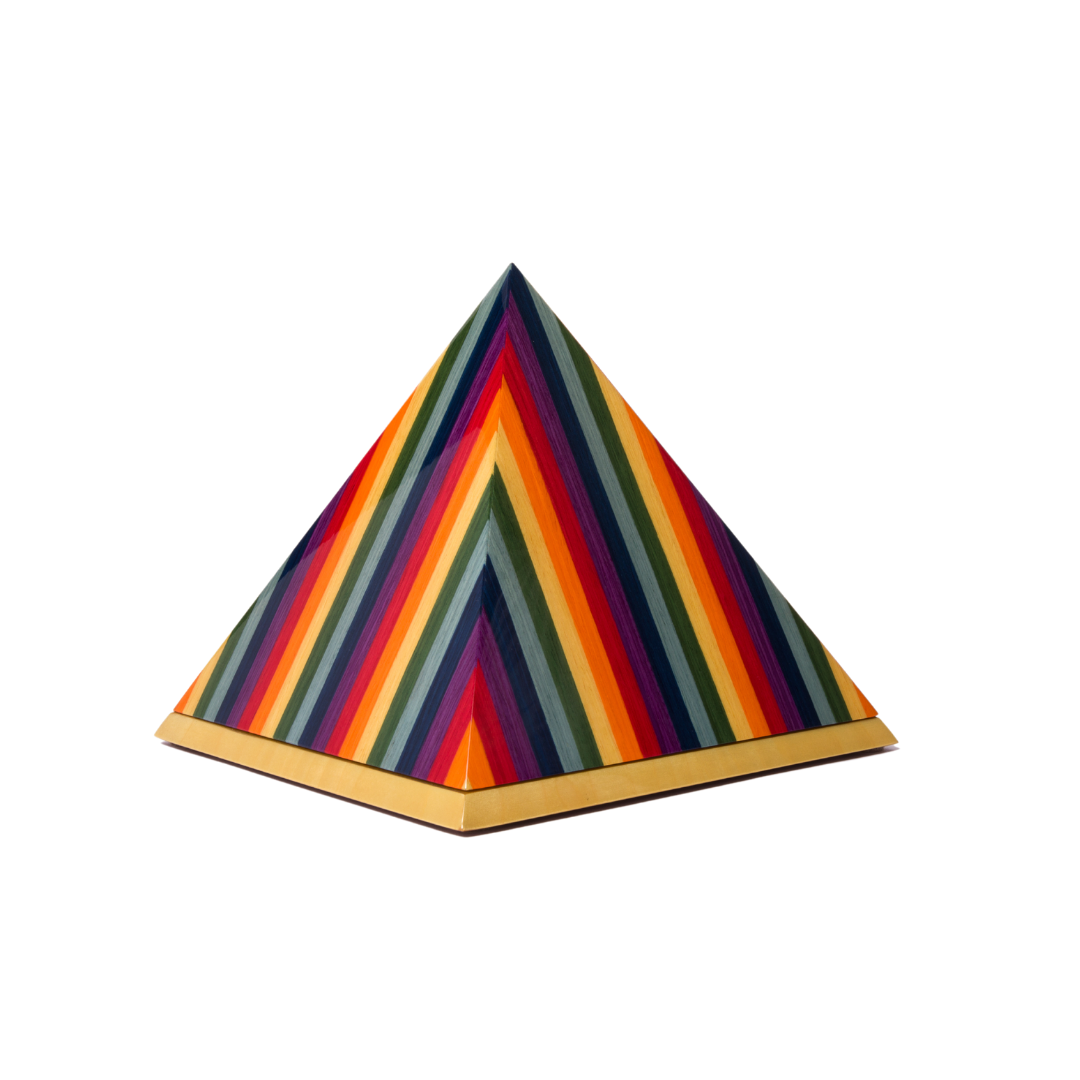
The Pyramid in Vibrant Multicolor
 The Pyramid in Vibrant Multicolor
- Regular price
-
$495 - Regular price
-
$695 - Sale price
-
$495
Quick view
-
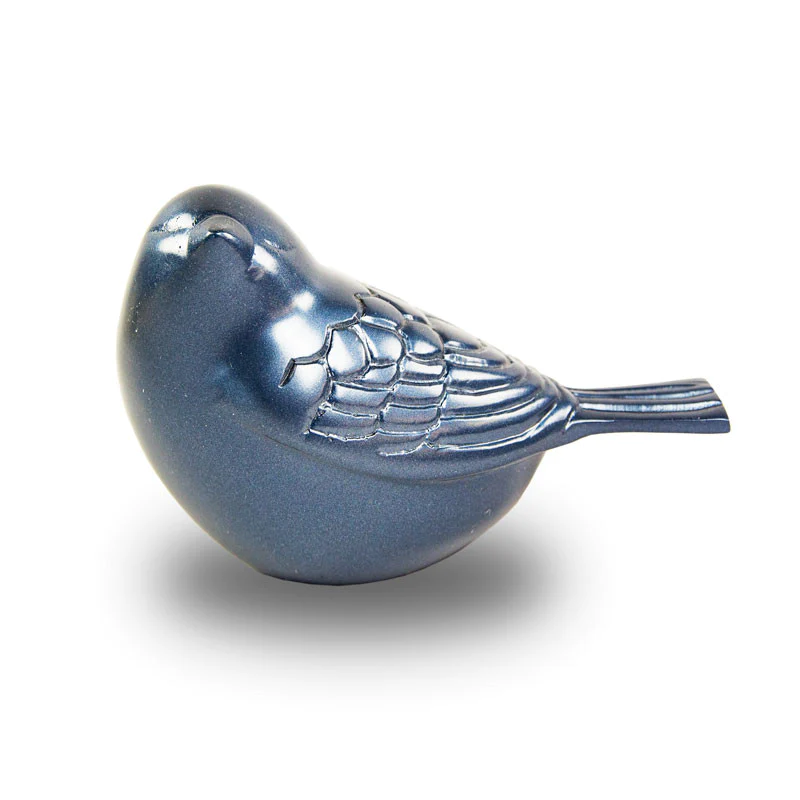
The Lucy Songbird Keepsake Urn in Blue
 The Lucy Songbird Keepsake Urn in Blue
- Regular price
-
$165 - Regular price
-
$175 - Sale price
-
$165
Quick view
FAQs
What are the shipping options for my memorial?
Oaktree offers free nationwide shipping on all urns and cremation jewelry items, with delivery typically taking 2-5 business days, including processing time. Need it sooner? Expedited shipping (overnight or 2-day) is available at checkout for an additional cost, and we will also prioritize processing for faster delivery. If you need international shipping, please contact us first to confirm availability and rates.
How long will it take for my engraved item to arrive?
Engraved urns and cremation necklaces require an additional 1-3 business days for personalization before shipping. If you need faster delivery, please contact us—we’ll do our best to expedite processing and accommodate your timeline. Expedited shipping options are also available at checkout to ensure your memorial arrives as soon as possible.
What do I do if I never received my order?
If your order hasn’t arrived within 10 business days, please contact us so we can track your shipment and resolve any issues. We’ll ensure your memorial reaches you as soon as possible.
What do I do if I received a defective order?
If your order arrives damaged or defective, contact us right away. We take pride in our high-quality craftsmanship and will work quickly to replace or repair your item at no additional cost.
Can I return my urn or cremation necklace? What is your return policy?
Oaktree offers a 100-day return and exchange policy for non-engraved items. Due to personalization, engraved urns are final sale and cannot be returned. For full details on how to start a return or exchange, visit our Returns & Exchanges page.
How do I make changes to an urn I’ve already ordered?
If you need to modify an order, contact us as soon as possible. If your urn is already engraved, we may not be able to make changes, but we’ll do our best to accommodate your request before processing.
How are your urns made? Where do the materials come from?
Oaktree’s urns are handcrafted in the USA and Europe using sustainable, locally sourced materials. Our artisans ensure each piece is beautifully designed and built to honor your loved one’s memory with care.
How do I choose the right urn size?
Each product page includes detailed dimensions, weight capacity, and cubic inches to help you select the right urn. As a general guide, 1 cubic inch holds 1 pound of pre-cremation weight. If you need help choosing, feel free to contact us.
Some urns are marked as “sold out.” When will they be available?
Our handmade urns may take a few weeks to restock. If you’re interested in a specific style, contact us for an estimated restock date, and we’ll notify you when it’s available.
Does Oaktree place the ashes into my urn?
Yes, we offer an optional ash transfer service for an additional fee. If you’d like us to handle this process, please contact us when placing your order. You’ll need to mail the ashes to us, and we’ll carefully transfer them into your selected urn.
How do I transfer ashes into my urn?
Cremated remains typically arrive in a sealed plastic bag inside a plastic container. To transfer them, simply place the sealed bag inside your urn. If needed, use a funnel for precise placement. If you have any concerns, our team is happy to assist.
How do I order an engraved urn?
To personalize your urn, select “Yes” under “Would you like your item engraved?” on the product page. If you’d like a custom design beyond standard engraving, contact us and we’ll explore options to create a unique tribute.
Can my urn be shipped directly to a funeral home?
Yes! During checkout, you can enter the funeral home’s address for direct shipping.
Can I customize my urn beyond engraving?
Yes! In addition to engraving, we offer custom design services, including unique finishes, symbols, or artwork. If you’d like to personalize your urn beyond standard options, contact us to discuss customization possibilities.
What materials are Oaktree urns made from?
Our urns are crafted from premium materials such as wood, ceramic, marble, metal, and biodegradable materials. We focus on sustainable sourcing and high-quality craftsmanship to create lasting memorials.
Do you offer keepsake urns or mini urns?
Yes, we offer keepsake urns and mini urns, which are smaller versions designed for sharing ashes among family members or keeping a small portion as a personal tribute.
Can I pre-order an urn for future use?
Absolutely! Many customers choose to pre-order an urn in advance. This ensures availability and allows for customization without time constraints. Contact us to arrange a pre-order.
Do you offer pet urns?
Yes, we provide a range of pet memorial urns designed to honor beloved pets. These are available in different materials and sizes to suit dogs, cats, and other pets.
How do I clean and maintain my urn?
Urns require gentle care to maintain their beauty. Use a soft cloth and mild cleaner for metal or ceramic urns. Avoid direct sunlight and moisture to preserve wood urns. Contact us for specific care instructions based on your urn’s material.
Can I travel with an urn? Are they TSA-approved?
Most Oaktree urns are TSA-compliant, making them safe for air travel. Choose a non-metal urn to ensure easy screening. We recommend carrying the urn in your carry-on bag and bringing the cremation certificate from the funeral home.
How do I track my order?
Once your order ships, we’ll send you a tracking number via email. You can use this to monitor the shipment status. If you don’t receive tracking details, contact us for assistance.
How do I contact Oaktree if my question isn’t answered here?
We’re happy to assist! Visit our Contact Us page to reach us via email, chat, or phone. Our compassionate team is ready to help.